
Three Holiday Parks, Three Smarter Ways to Take Control of Energy Costs
Energy is one of those unavoidable holiday park expenses that can quietly eat into the
bottom line. Cabins need heating and cooling, amenities run around the clock, pools require
pumps, camp kitchens consume power, and guests arrive carrying enough electrical gear to
light up a small suburb.
But while rising energy prices may be outside an operator’s control, the way a park
purchases, monitors and generates its energy certainly isn’t.
The KUI KONNECT team recently examined how three Australian holiday park businesses
worked with an industry leader in power and energy, Choice Energy to tackle three very
different energy challenges.
One secured more competitive commercial rates, another avoided slipping onto costly
default pricing, while the third invested in solar to dramatically reduce its reliance on grid
electricity.
Their experiences offer some valuable lessons for holiday park owners and operators across
Australia.
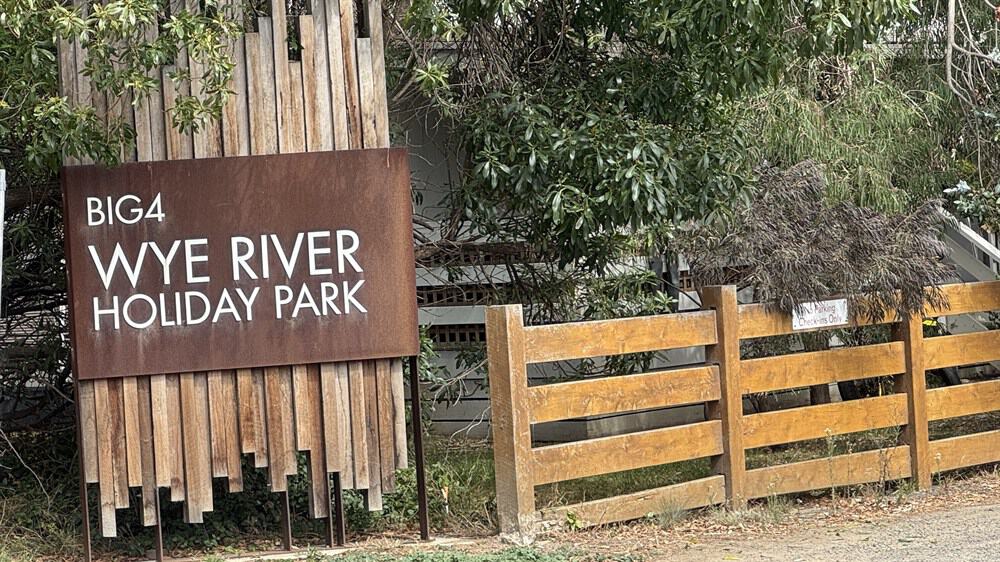
BIG4 Wye River Holiday Park: Looking beyond the standard retail offer
Situated on Victoria’s Great Ocean Road, BIG4 Wye River Holiday Park offers everything
from beach houses and safari tents to powered and unpowered sites.
When the park received notice that its electricity rates were increasing, simply accepting the
retailer’s new pricing would have been the easiest option—but potentially a very expensive
one.
After reviewing the park’s usage, Choice Energy identified that two of its meters qualified for
a commercial and industrial energy contract. This enabled the park to secure a more
competitive overall rate and fix that pricing over an agreed period.
The result was a projected saving of approximately $27,890 per year, or $83,670 over the
three-year contract, compared with what the park would otherwise have paid.
Importantly, the strategy also considered the future growth of the business. With new holiday
cabins being added, the park’s overall electricity consumption was expected to increase.
Securing a suitable commercial contract meant BIG4 Wye River could better manage those
additional energy costs as its accommodation capacity expanded.
Choice Energy also introduced monthly bill validation and usage monitoring to check that the
retailer continued charging the correct rates and fees throughout the contract.
The lesson for other park operators is simple: a rate-rise notice shouldn’t automatically be
accepted as the final word. Higher-consumption sites—or individual meters within a
park—may qualify for commercial arrangements that are not immediately offered by the
existing retailer.
Lani’s Holiday Island: Avoiding the default-rate trap
Contract timing was the major issue facing Lani’s Holiday Island, located on Wallis Lake at
Forster, New South Wales.
When a negotiated business energy contract expires without a replacement being secured, a
park may fall onto default or standing rates. These rates can be substantially less
competitive, particularly for businesses with considerable and consistent electricity demand.
By reviewing the situation before that happened, Choice Energy was able to negotiate an
immediately commencing 24-month contract with AGL. The park avoided default pricing and
gained greater cost certainty for the following two years.
The process involved presenting several available options and explaining the differences so
the operators could make an informed decision rather than simply choosing the first offer
placed in front of them.
Ongoing metering and monitoring were also included to help the park track its consumption
and identify any unusual billing or usage patterns.
The energy review subsequently identified a potential commercial solar opportunity that
could further reduce both operating costs and the park’s environmental footprint.
For other holiday parks, the important takeaway is to know exactly when current energy
contracts expire. Leaving negotiations until the final days—or allowing a contract to roll over
unnoticed—can expose the business to unnecessary costs.
Highview Waters: Matching solar generation with park demand
At Highview Waters, situated beside the Murray River, the priority was reducing energy
expenses while supporting the business’s broader environmental goals.
The property already incorporated sustainability initiatives such as recycled bollards and
composite decking, making commercial solar a logical next step. However, installing solar is
not simply a matter of covering every available roof with panels and hoping for the best.
The proposed system needed to be designed around the property’s actual consumption,
operating patterns and seasonal demand.
Choice Energy assisted Highview Waters with a purpose-designed 35kW commercial solar
system. During spring, the resort recorded a 63 per cent reduction in grid electricity
consumption, with one off-peak month producing a saving of $1,186.47.
The timing of energy generation was particularly relevant. Holiday parks frequently
experience their strongest electricity demand during warmer periods, when air-conditioners,
refrigeration, pool equipment and other facilities are working hardest. Those conditions can
also deliver strong solar production, allowing generation and consumption to work effectively
together.
With commercial solar panels generally expected to operate for around 25 years, a correctly
designed system can provide long-term savings while strengthening a park’s sustainability
credentials.
The lesson from Highview Waters is that solar should be treated as a business investment
rather than simply an environmental gesture. The system needs to suit the park’s real-world
usage, deliver a measurable return and be properly monitored after installation.
What should holiday park operators be reviewing?
These three parks required different solutions, but together they highlight four questions
every holiday park owner should be asking:
- When does our current electricity contract expire?
- Are any of our meters eligible for commercial and industrial pricing?
- Are our bills being independently checked against our agreed rates?
- Would commercial solar suit our daytime and seasonal consumption?
The answers may reveal savings that are currently being overlooked.
Energy management doesn’t necessarily begin with installing solar or changing retailers. It
begins with understanding what the park consumes, how it is being charged and whether its
current agreement still suits the size and operation of the business.
For holiday parks already managing rising wages, insurance, maintenance and supply costs,
reducing unnecessary energy expenditure can release money for improvements that guests
actually notice—from upgraded amenities and new cabins to better facilities and
landscaping.
Through KUI KONNECT, park owners and operators can connect with Choice Energy to
review their existing energy arrangements, contract expiry dates, metering, bill accuracy and
potential commercial solar opportunities.
Sometimes the biggest saving isn’t found by using less energy. It is found by making sure
the park is buying, monitoring and generating it more intelligently.