Things Annoying Australia’s Caravanners and Campers – Number 5
Article by Warren Parrot – @whatsupwithwaz
The count down is on! I have been doing research online, via socials, forums and chat
groups looking for the Top 5 things that annoy Caravanners & Campers the most. Here is
what came in at Number 5…
Finding Somewhere to Stop or Park a Large Rig
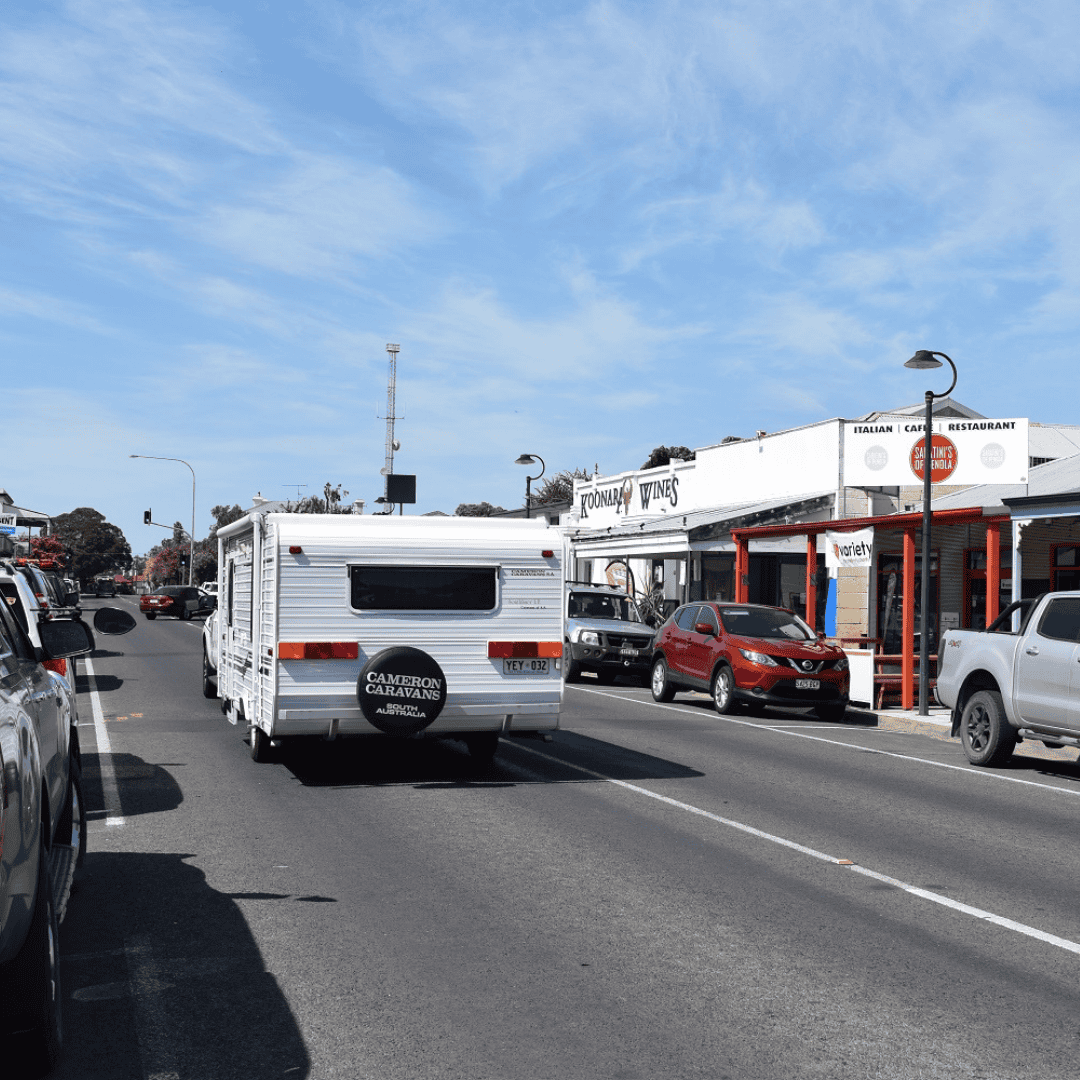
You’ve travelling through at a cracking little country town. There’s a bakery doing a roaring
trade, a pub that looks perfect for lunch, a local museum worth exploring and a few shops
where you could happily spend some money. There’s just one problem: you can’t find
anywhere to park the bloody caravan!
Many towns say they want more visitors, but their parking tells a different story. Ordinary
shopping centres, cafés, attractions, supermarkets and town centres are often designed for
standard cars, with tight turns, narrow spaces, low branches, restrictive height barriers and
very few areas where a vehicle towing a caravan can safely pull in.
For travellers towing a van, “we’ll just stop here for lunch” isn’t always that simple.
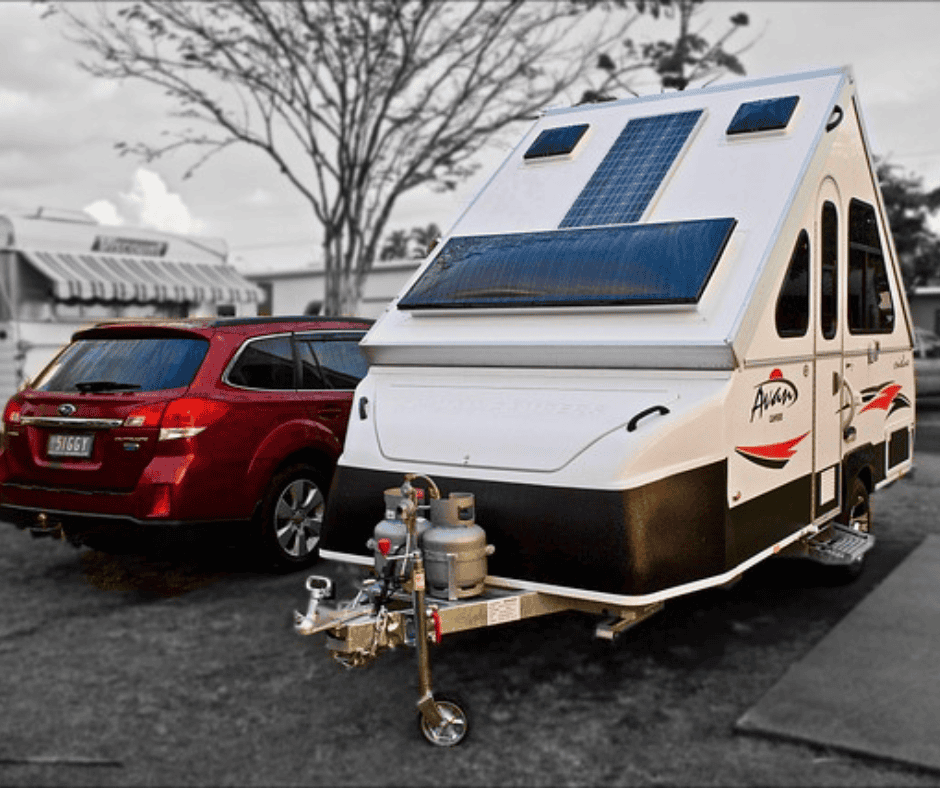
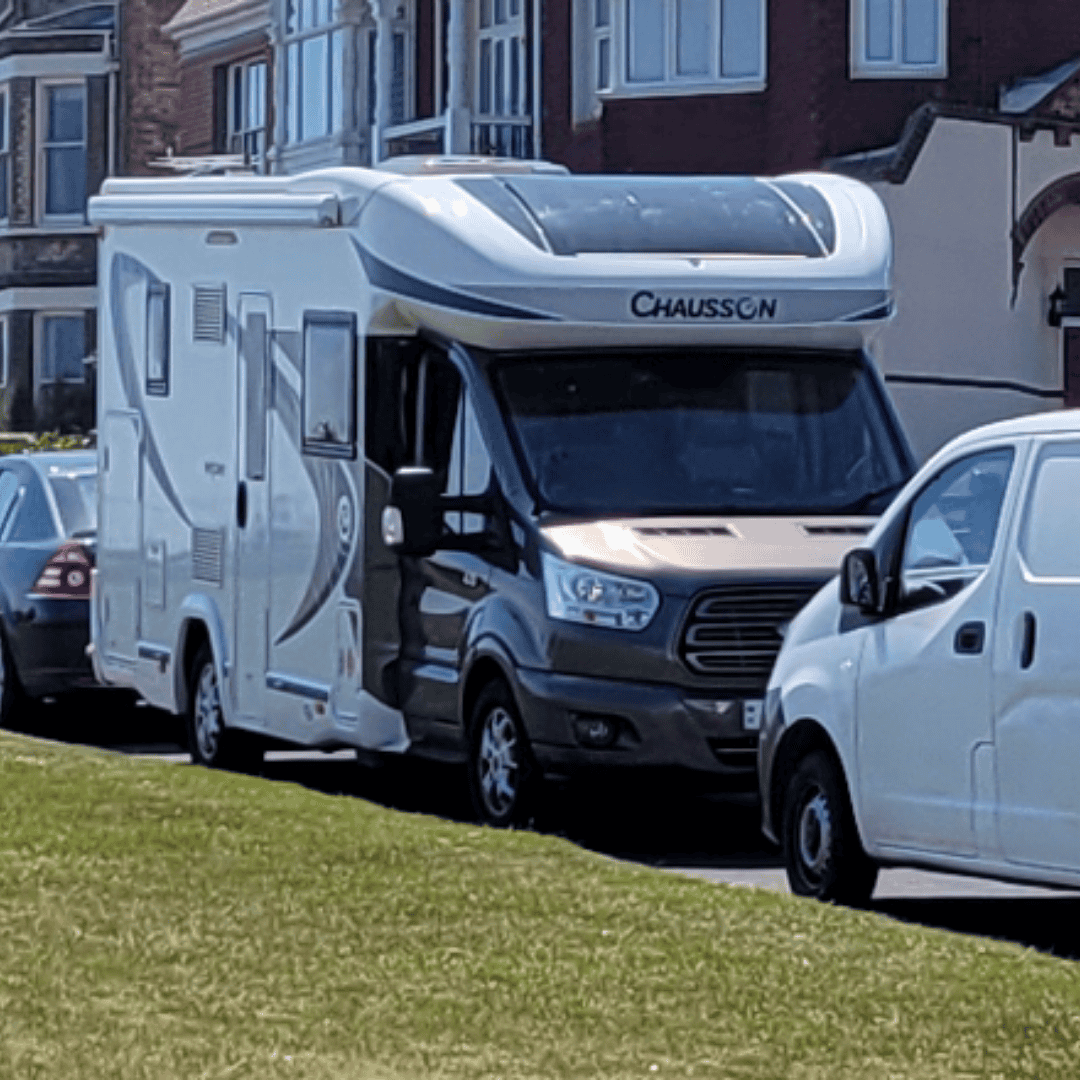
A large caravan combination might be 12 to 15 metres long—or even longer. Pulling into an
unfamiliar car park can quickly become a stressful game of “Can we get in, and more
importantly, can we get out again?” Nobody wants to reverse a full-sized caravan through a
crowded shopping centre while half the town watches and somebody impatiently sits on the
horn.
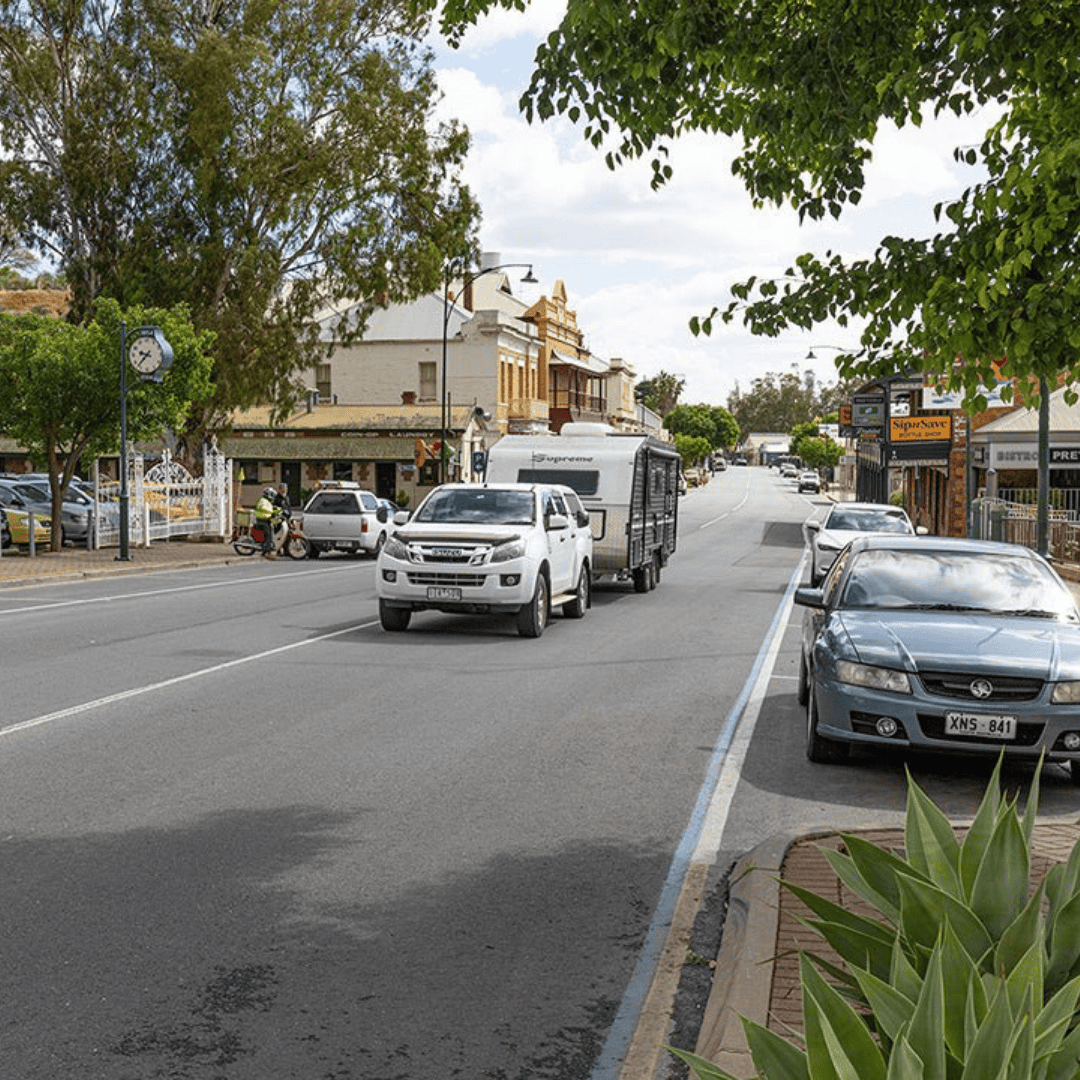
So what happens? Travellers keep driving.
That means the local bakery misses out on morning tea, the café loses a lunch booking, the
supermarket misses a sizeable grocery shop and nearby attractions lose potential visitors.
Caravanners are generally ready and willing to spend money in regional communities, but
towns need to give them somewhere practical to stop.
And considering that there well over 900,000 registered Caravans in Australia, perhaps its
times some towns put this properly into their planning?
Even when long-vehicle parking is provided, it is sometimes occupied by ordinary cars. Few
things make a caravanner’s eye twitch faster than finding the only two long-rig spaces taken
up by a hatchback and a compact SUV—with another 40 standard car spaces sitting empty
nearby.
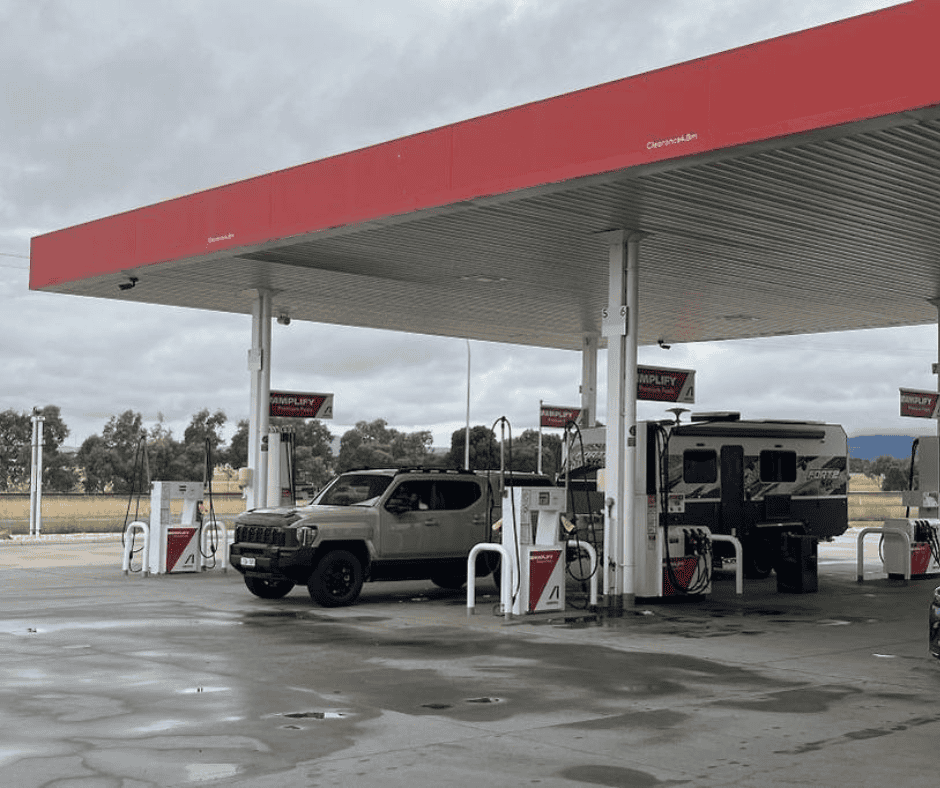
Service stations can present similar problems. Some offer excellent pull-through access,
while others force drivers to squeeze around tightly positioned fuel bowsers, parked cars,
promotional signs and curbing clearly designed to test both your marriage and your
reversing skills.
The frustration doesn’t end once the rig is moving again.
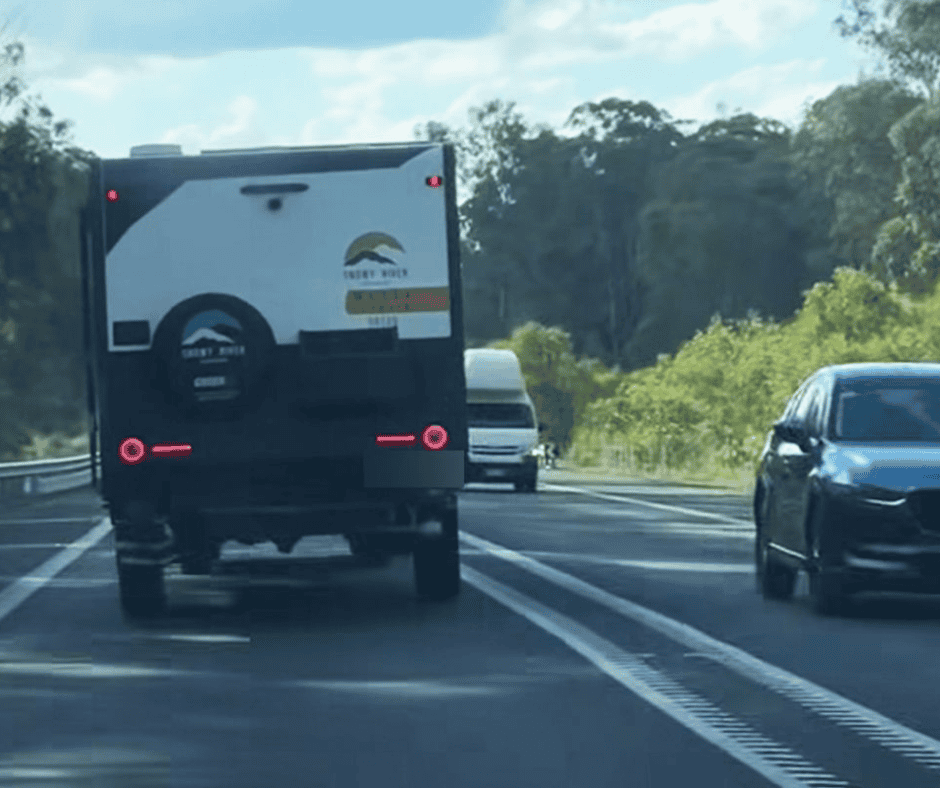
Tailgaters, risky overtaking manoeuvres and motorists cutting directly into the braking gap
ahead of a caravan are regular complaints. A heavily loaded tow vehicle and caravan cannot
stop as quickly as an ordinary car. That open space in front of the rig isn’t an invitation—it is
a deliberately maintained safety gap.
Of course, caravanners aren’t completely blameless.
Responsible towers become equally frustrated with other caravanners who sit well below the
speed limit on a single-lane road, allow a queue to build behind them and then suddenly
accelerate when an overtaking lane appears. It makes it harder for following vehicles to pass
and gives everyone towing a caravan a bad name.
Good towing etiquette means regularly checking your mirrors, leaving room between
vehicles and helping faster traffic pass when it is safe. RAC WA recommends keeping left as
an overtaking lane opens and, where appropriate, easing off slightly to help following
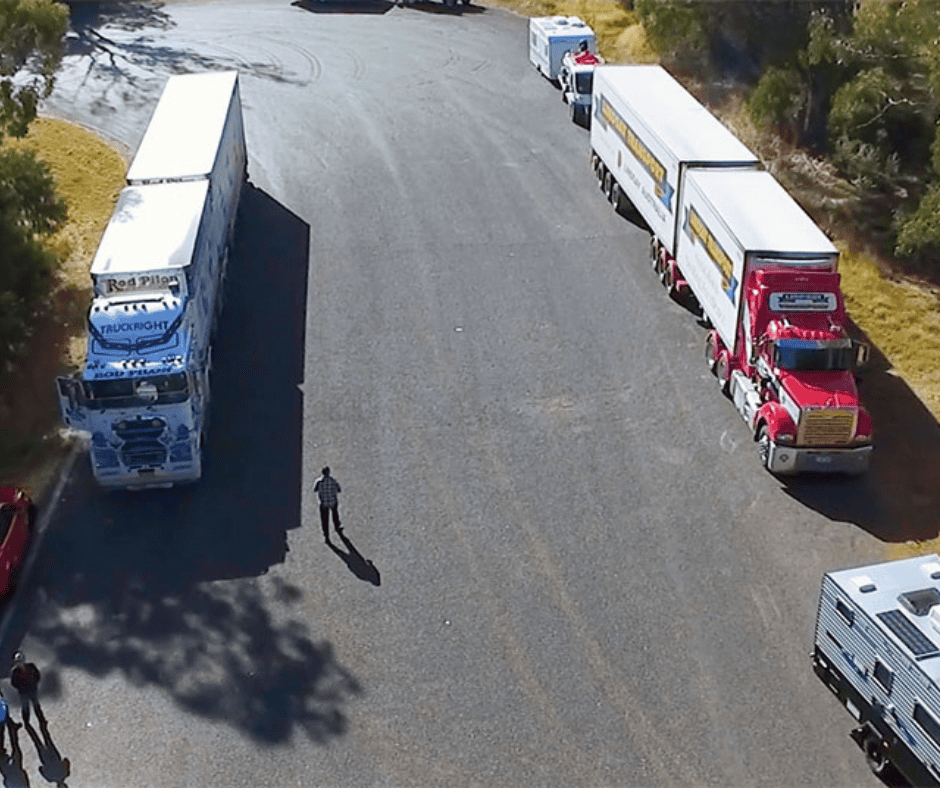
motorists complete their manoeuvre safely. It also reminds travellers not to occupy truck-
specific rest areas, because professional drivers have regulated rest requirements and may
depend on those spaces. You can read more in the RAC’s guide to caravan towing etiquette.
Ultimately, the solution requires a little consideration from everyone. Towns and businesses
need clearly marked, accessible long-vehicle parking. Motorists need to respect the braking
distance required by large rigs. Caravanners need to be courteous, predictable and willing to
let traffic pass.
Because sometimes all we want is a safe place to pull over, stretch the legs, grab a coffee
and spend a few dollars—without needing a seven-point turn and a relationship counsellor to
get back onto the highway.