Cowes and Phillip Island: The Victorian Holiday Favourite That Never Really Changes
Article by Warren Parrot – @whatsupwithwaz
I’ve been travelling to Cowes and Phillip Island for most of my life.
I first came here as a kid on family holidays, returned in my late teens and early twenties
when weekends often involved a few lively nights at the old Isle of Wight Hotel, brought my
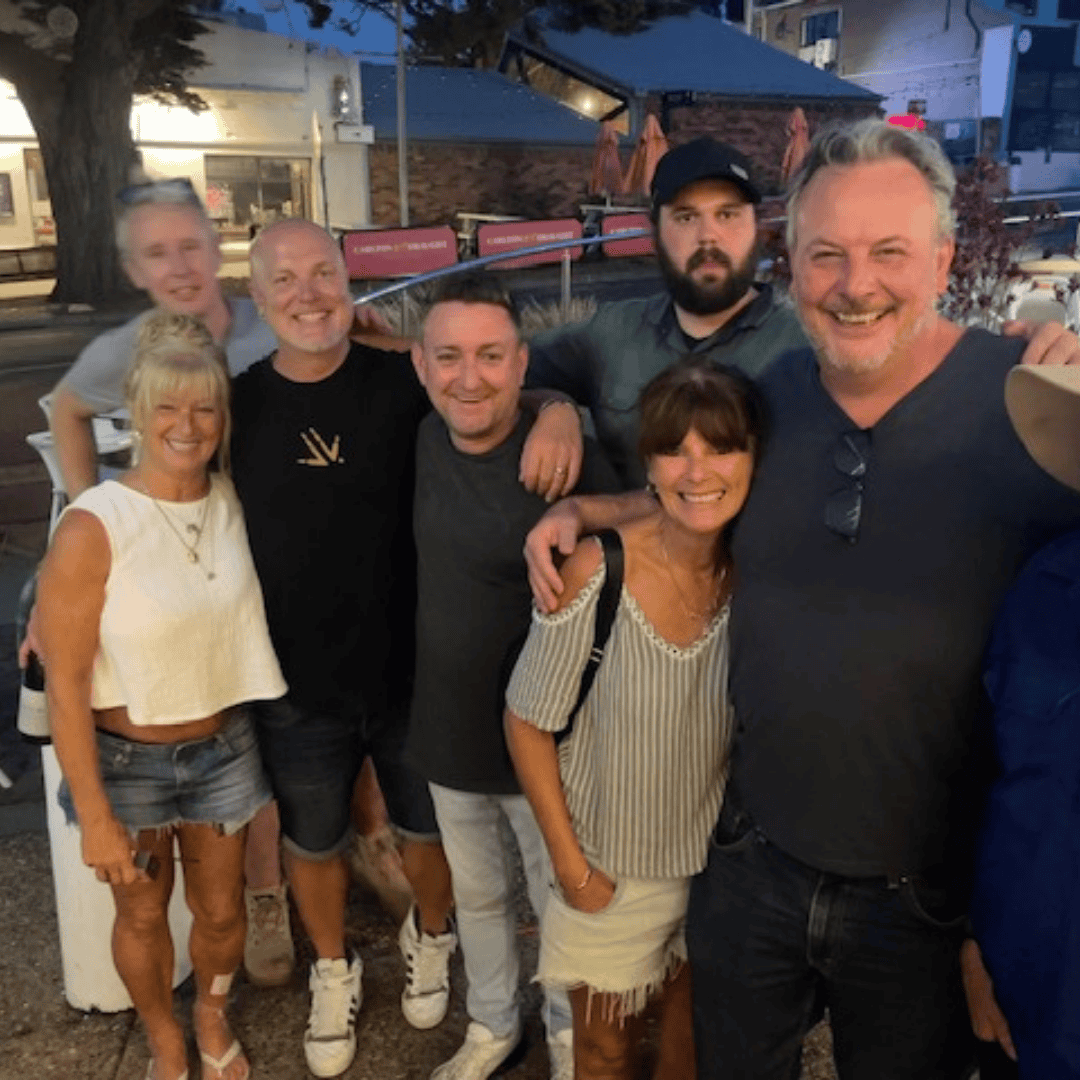
own family down for getaways throughout my thirties and forties, and later filmed numerous
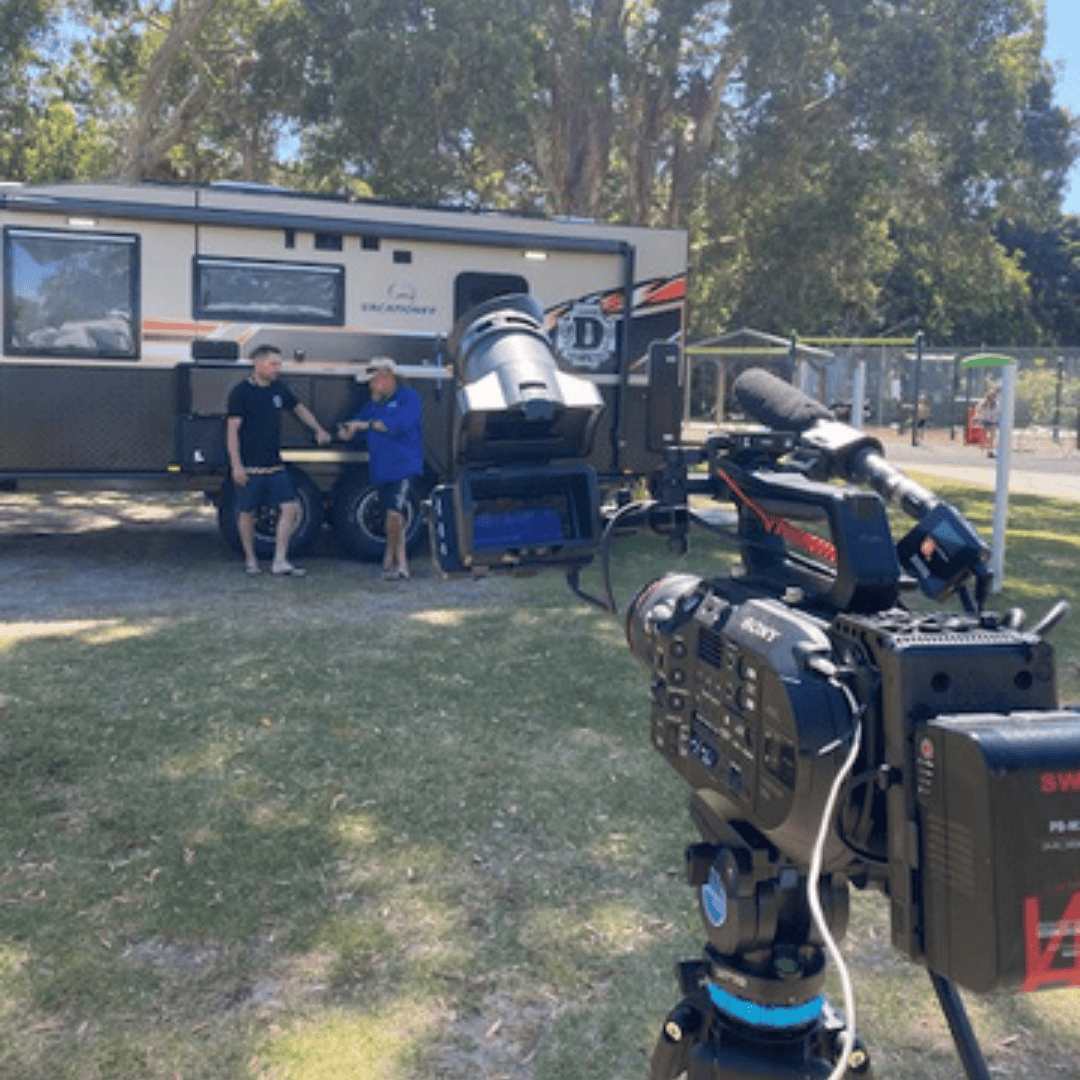
episodes of What’s Up Downunder and two entire seasons of Camper Deals on the island.
Now I’m in my fifties, and Phillip Island remains one of those rare destinations that feels
familiar every time I cross the bridge.
Yes, things have changed. Cowes has more restaurants, housing estates have spread, the
attractions are slicker and the summer traffic has become busier. But the changes have
mostly been subtle. Thompson Avenue still runs downhill towards the water, the beach is still
at the end of town, the wind can still arrive sideways without filling out an application, and the
island still feels like a proper beach holiday destination rather than simply another coastal
suburb.
That consistency is a big part of its appeal.
From Childhood Holidays to the Isle of Wight
My memories of Phillip Island cover several very different stages of life.
As a kid, it was beaches, caravan parks, fishing, ice creams and the excitement of being on
an actual island—even if the bridge meant we hadn’t exactly crossed the Pacific to get there.
By my late teens and early twenties, Cowes meant weekends away with friends and nights
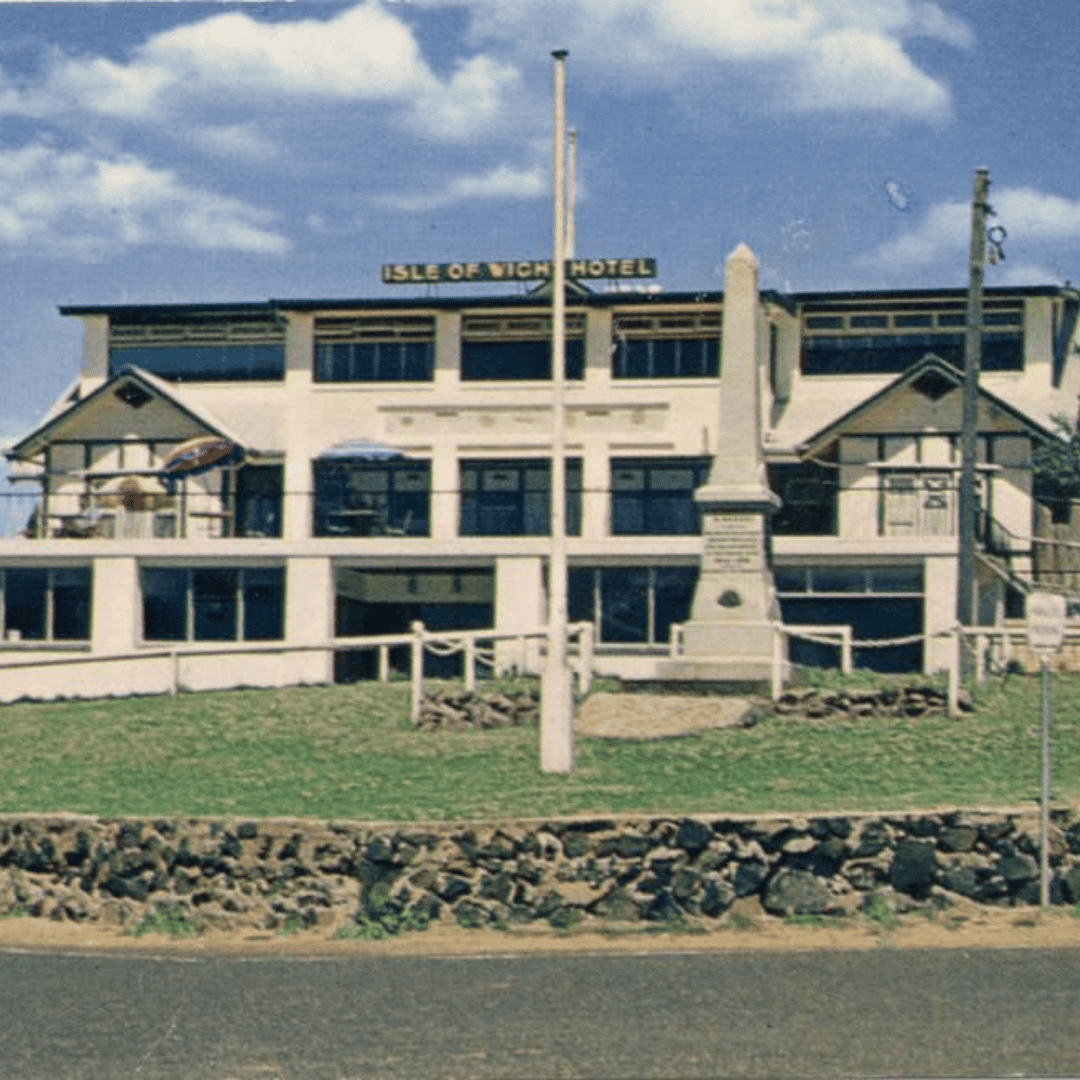
at the Isle of Wight Hotel. It was a genuine Phillip Island institution and, for plenty of
Victorians of my generation, an important part of growing up—or at least attempting to.
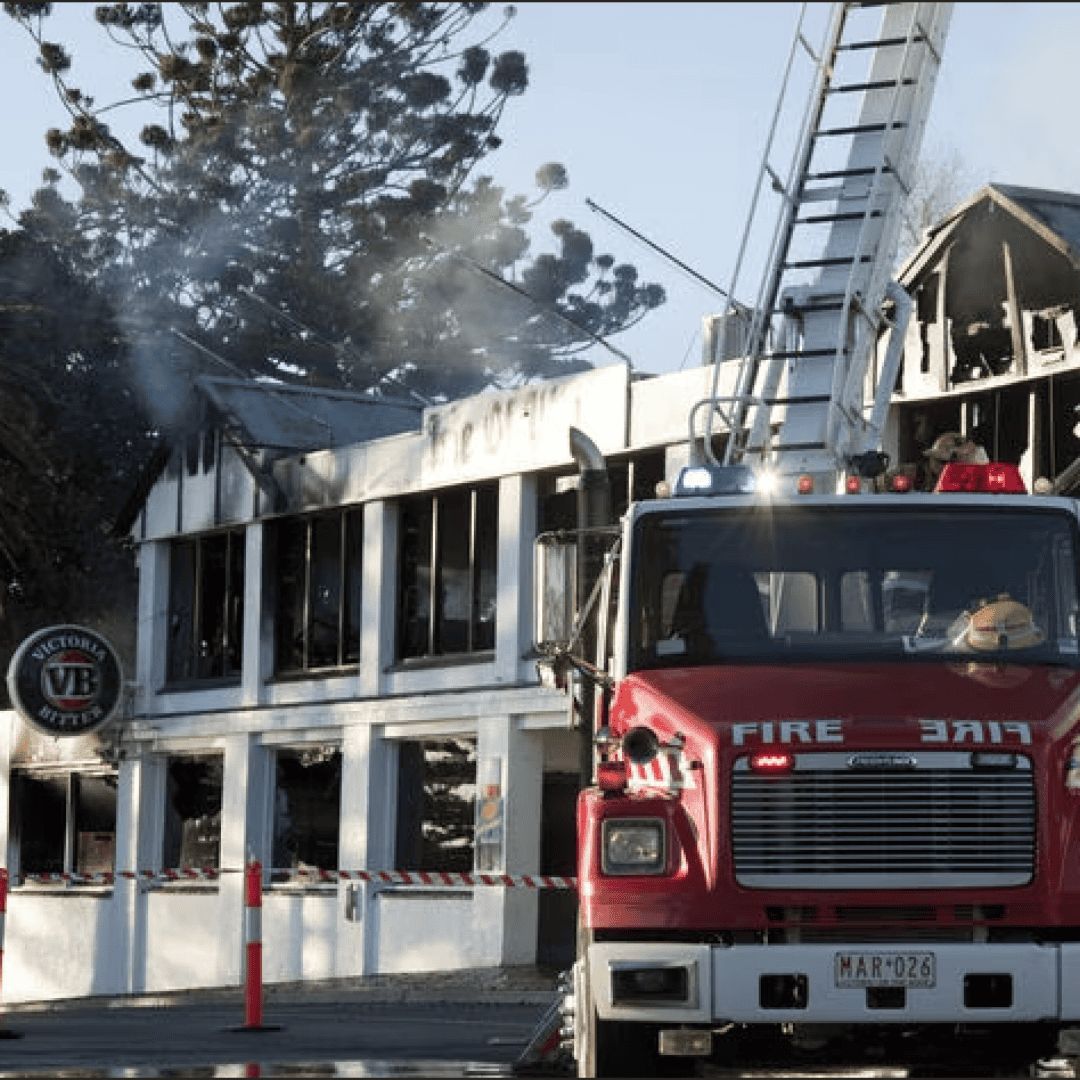
The original Isle of Wight Hotel opened in 1870. After an earlier fire and rebuilding, the hotel
I remember was destroyed by another fire in May 2010. It remains sadly missed, particularly
by those of us who left a small portion of our youth—and possibly some dignity—inside it.
ABC News reported on the 2010 fire.
Later, Phillip Island became somewhere my wife and I could bring the family for a weekend
without needing weeks of planning. Then it became a regular television production location.
That probably sums the island up nicely: it works for childhood holidays, young weekends
away, family escapes, couples’ trips, caravanning adventures and television crews carrying
enough equipment to establish a small regional network.
Why Different Travellers Keep Coming Back
In short:
- Grey Nomads come for the manageable driving distances, caravan-friendly
accommodation, wildlife, history, scenic coastal drives, fishing, walking tracks and the
ability to explore at a relaxed pace. - Families come for the safe beaches, Penguin Parade, chocolate, mazes, wildlife
experiences, playgrounds, swimming and attractions that genuinely entertain both
children and adults. - Young Adventurers come for surfing, cycling, coastal walks, kayaking, wildlife
cruises, go-karting, photography and the freedom to pack plenty into a road-trip
weekend. For many youngsters from Melbourne in particular ‘The Island’ can be that
‘first getaway’ with your friends when you become of age.
Couples sit comfortably between all three groups. You can make the island as active or as
lazy as you like. Spend the day walking Cape Woolamai, or find a table, order lunch and
congratulate yourself on having walked from the car. It can be a very romantic getaway if you
want it to be.
Getting to Cowes
Cowes is approximately 140 kilometres from central Melbourne, with the drive generally
taking around two hours, depending on traffic. On a summer Friday afternoon or major
motorsport weekend, “depending on traffic” can do some fairly heavy lifting.
The usual road journey follows the Monash Freeway, South Gippsland Highway, Bass
Highway and Phillip Island Road through San Remo. From Melbourne’s south-eastern
suburbs, it is an easy self-drive escape.
Nearby centres include:
- San Remo: approximately 16 kilometres or 15 minutes.
- Wonthaggi: approximately 45 kilometres or 40 minutes.
- Inverloch: approximately 60 kilometres or around one hour.
- Leongatha: approximately 75 kilometres or just over one hour.
The journey is part of the holiday. Once you leave Melbourne’s suburban sprawl behind, the
road opens through Koo Wee Rup and the Bass Coast countryside. Kilcunda makes a
worthwhile coastal detour, while San Remo is the natural final stop before crossing the
bridge.
Then comes that little moment I still enjoy: reaching the crest of the bridge and seeing Phillip
Island ahead. Even after all these years, that is where the getaway properly begins.
How Cowes and Phillip Island Got Their Names
Phillip Island is part of the traditional Country of the Bunurong people and is known as
Millowl. Its coastline, wetlands, wildlife and surrounding waters hold deep cultural
importance extending back thousands of years.
George Bass entered Western Port in 1798, and the island was subsequently named after
Arthur Phillip, the first Governor of New South Wales.
Cowes was originally known by Europeans as Mussel Rocks. When the township was
surveyed during the 1860s, it was named after Cowes on England’s Isle of Wight. That
English connection also explains the name of the old hotel that became such a recognisable
part of the Cowes foreshore.
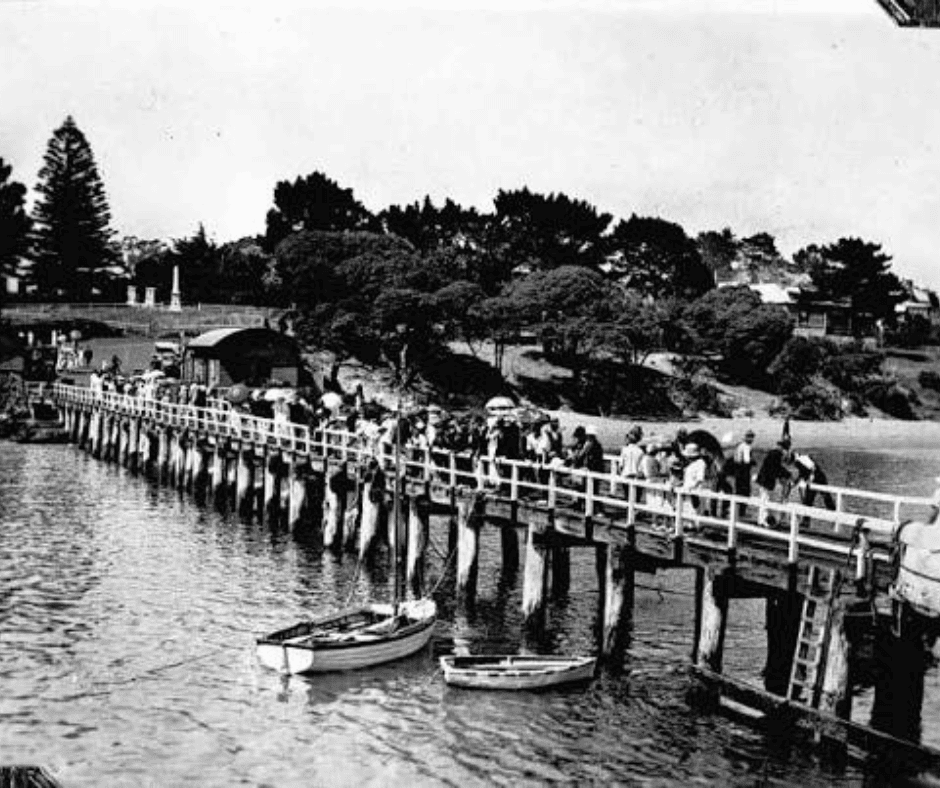
Tourism arrived early. The first Isle of Wight Hotel opened in 1870, regular ferry services
followed, and guesthouses flourished from the 1880s through to the mid-twentieth century.
Visitors began watching the little penguins at Summerland Beach during the 1920s, while
motor racing on island roads started in 1928. The first bridge opened in 1940, with the
current bridge following in 1969. Visit Phillip Island provides an excellent overview of the
island’s history.
Today, Phillip Island is best known internationally for its little penguins, rugged coastline and
motorsport, but its beaches, farming history, chicory kilns, wildlife and old-fashioned holiday
atmosphere are just as important to its character.
Cowes Today
Cowes remains the island’s main commercial and tourism centre.
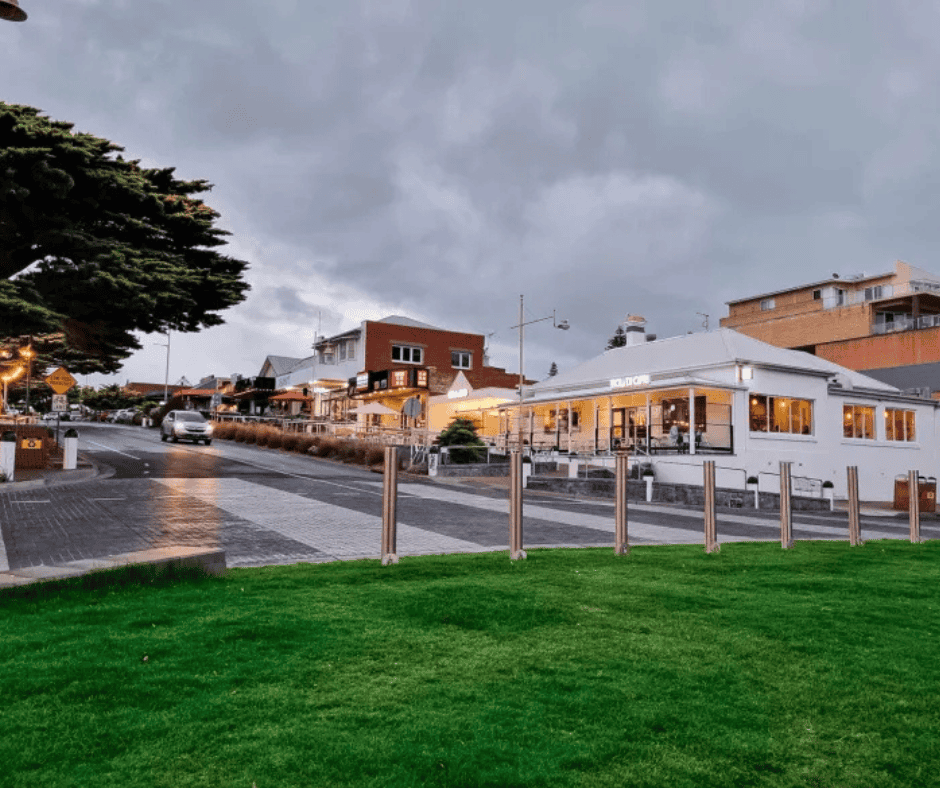
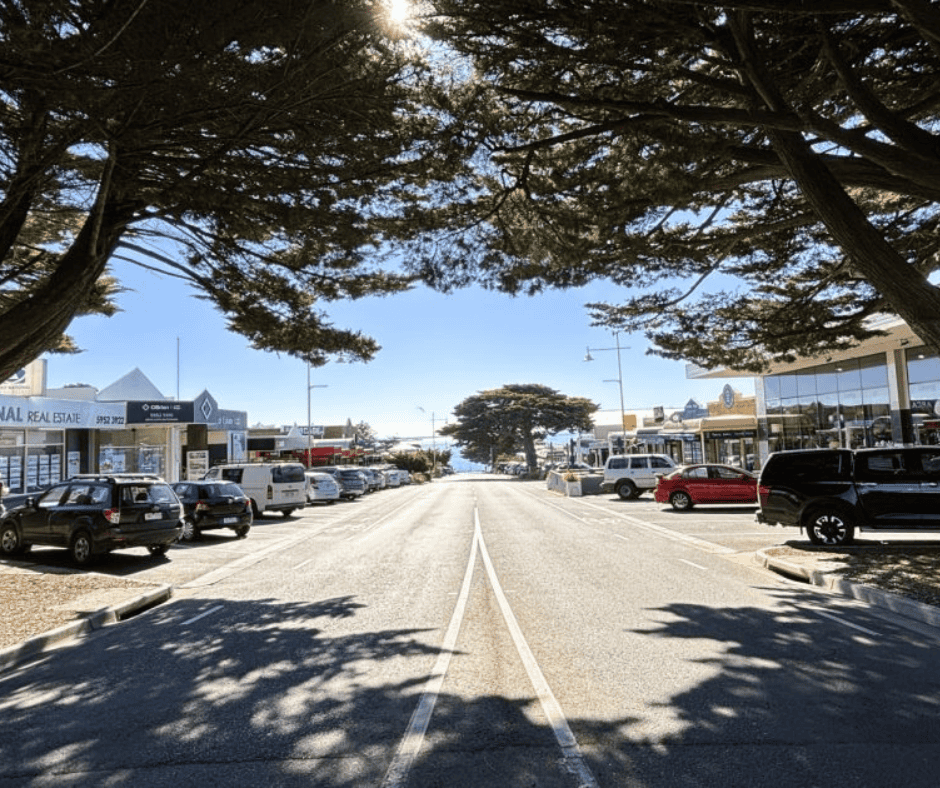
Thompson Avenue is the town’s backbone, running towards the foreshore beneath its
distinctive golden cypress trees. The upper section provides supermarkets and everyday
supplies, while the closer you get to the water, the greater the concentration of cafés,
restaurants, boutiques, surf shops, bakeries and holiday browsing opportunities.
It is still a main street worth walking rather than simply driving through.
At the bottom, the road meets The Esplanade, Cowes Beach and the jetty. The north-facing
beach is generally calmer and more protected than the island’s southern surf beaches,
making it particularly popular with families.
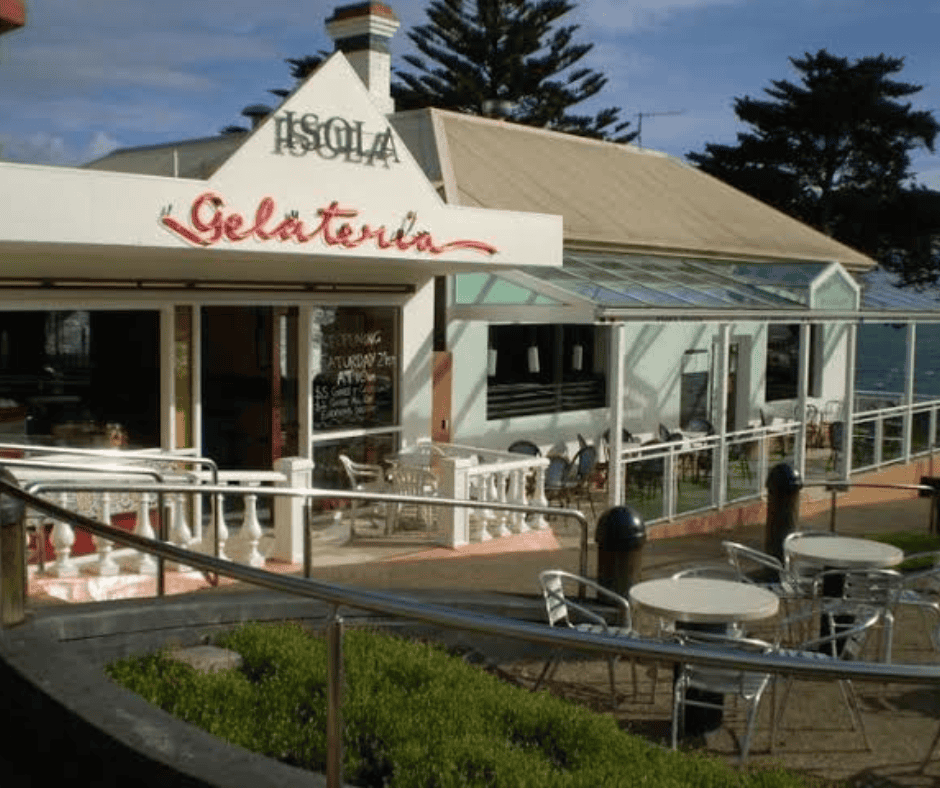
For a meal in town, long-running local names include Pino’s Trattoria and Isola di Capri,
which has operated opposite the beach since 1972 – on a side note, these guys make the
BEST Spaghetti Marinara I have ever eaten, have it once you will order it every time you
visit!
There are now plenty of newer choices too, but these established family businesses remain
part of the Cowes experience.
During summer, Cowes is busy, bright and energetic. Outside school holidays, it slows down
noticeably—and that quieter version of the town can be even more enjoyable.
Exploring Beyond the Main Street
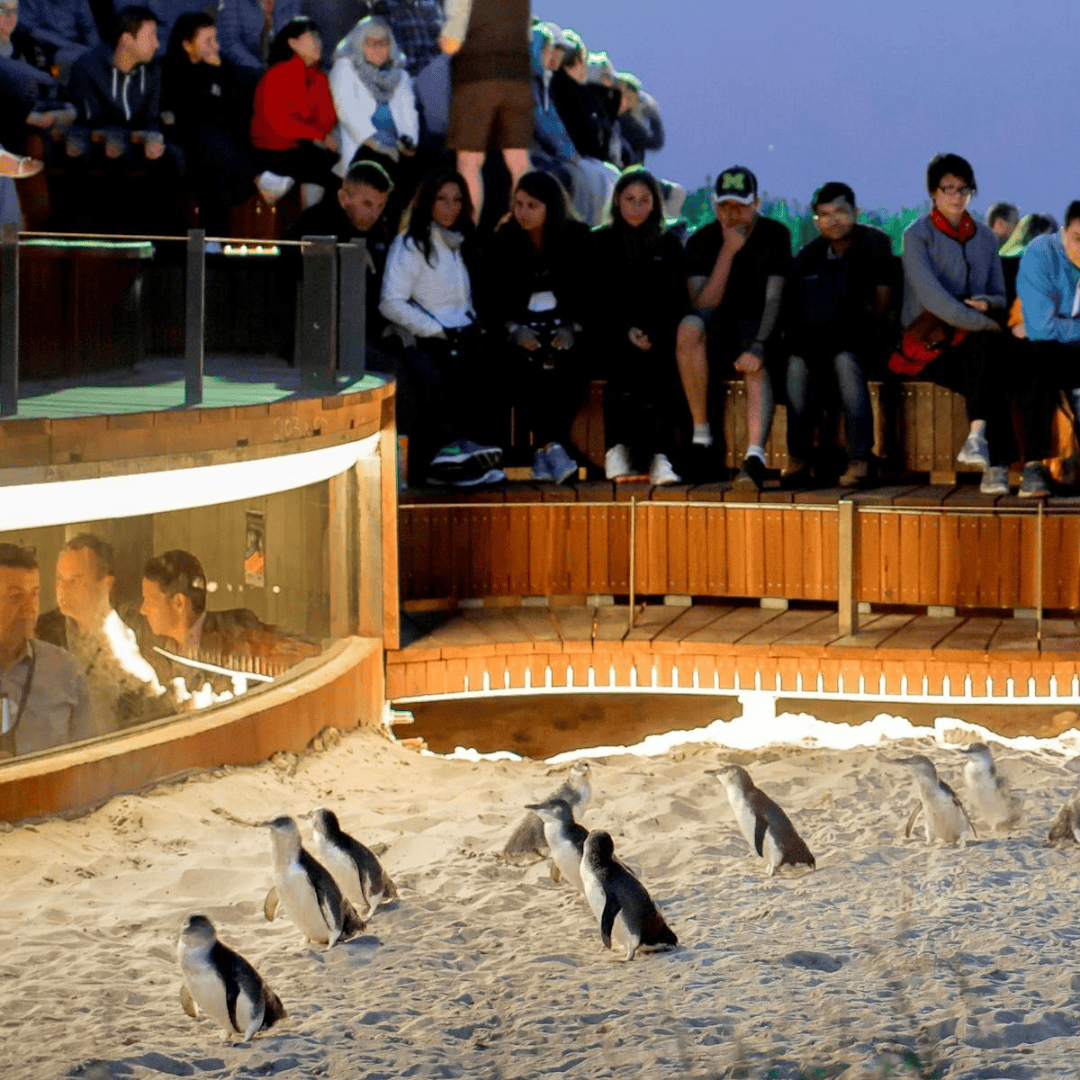
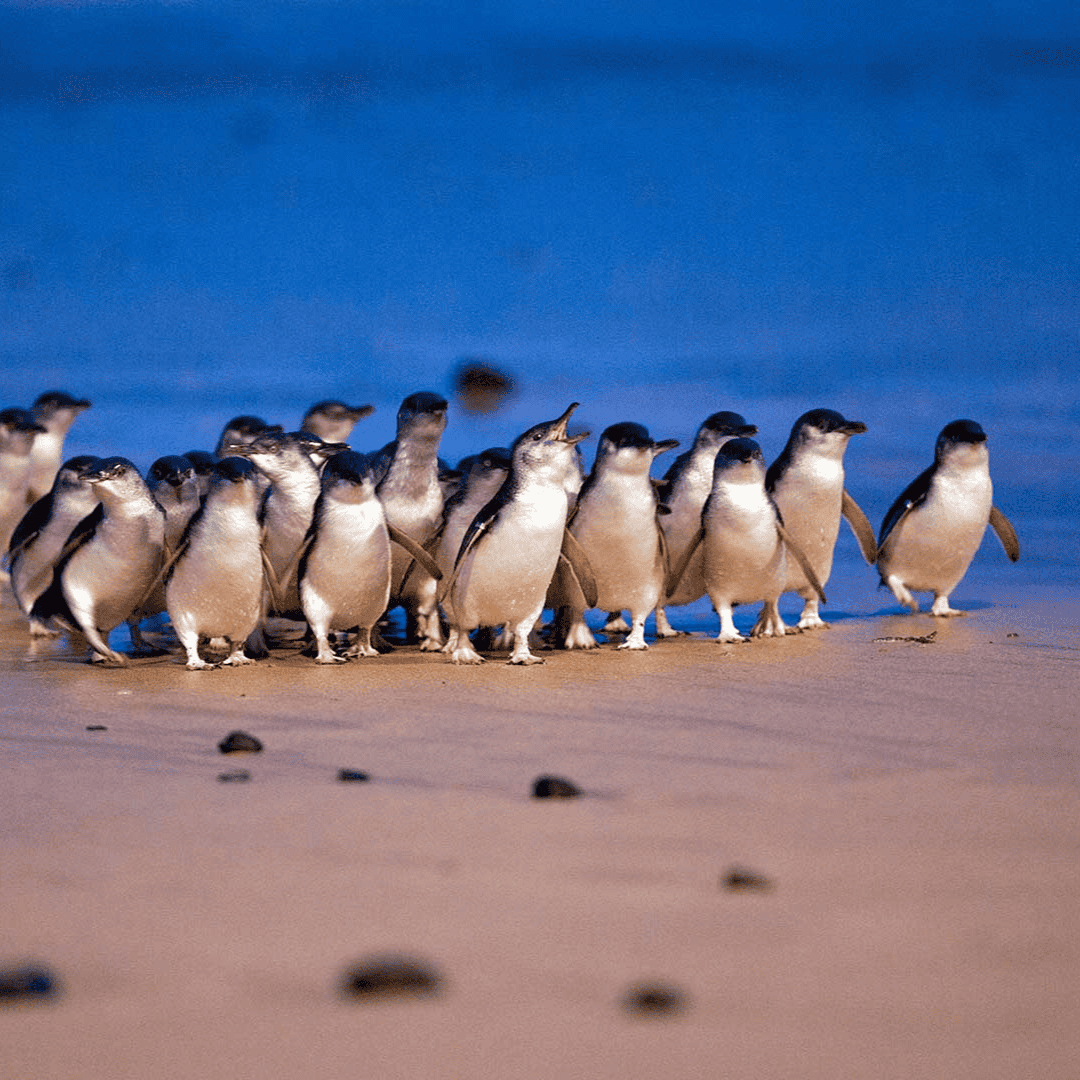
You cannot discuss Phillip Island without beginning with the Penguin Parade. Watching the
little penguins emerge from the water and make their way back to their burrows remains one
of Australia’s great wildlife experiences. Book ahead, arrive early and take warm clothing.
Even in summer, Bass Strait occasionally likes to remind visitors who is in charge.
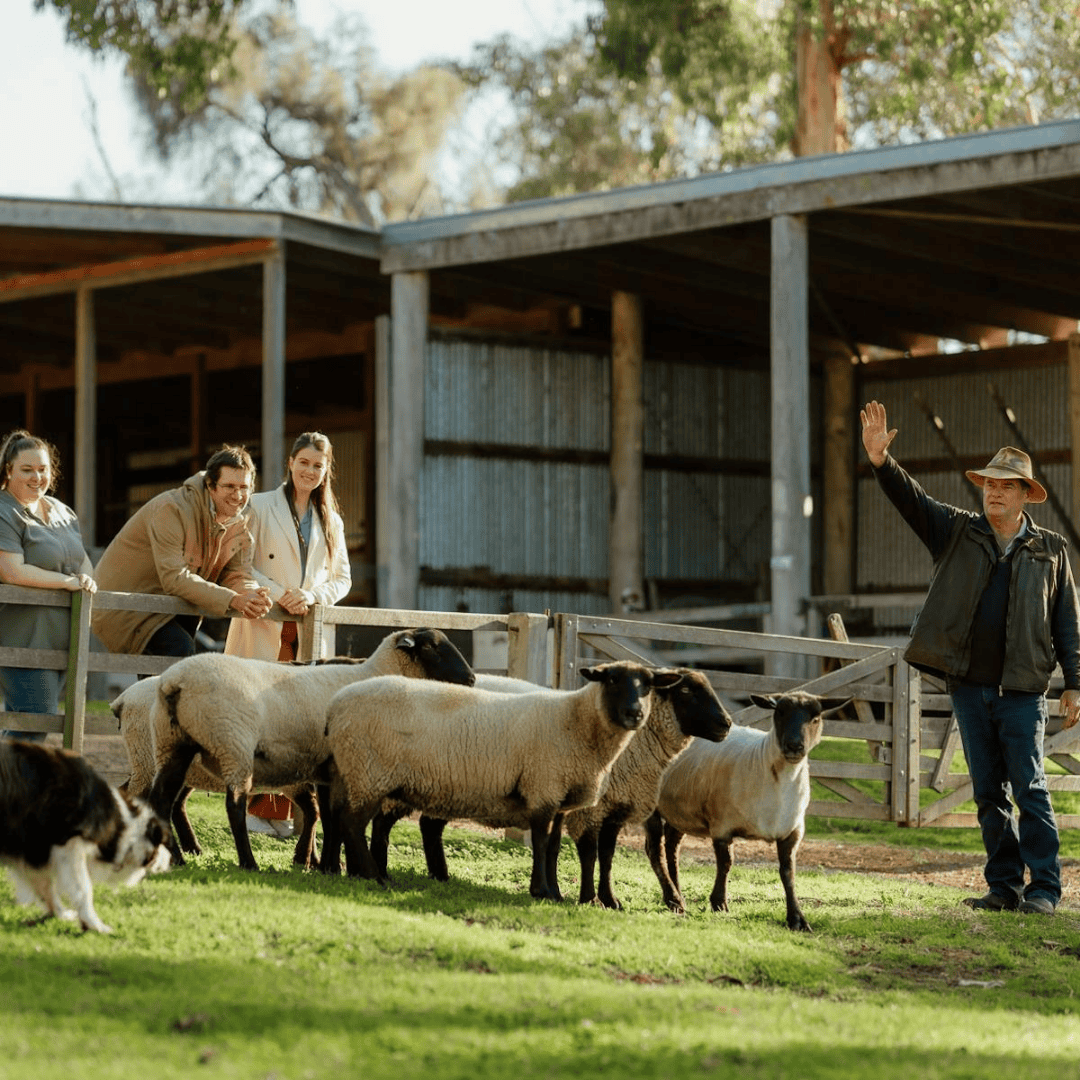
The Koala Conservation Reserve offers elevated boardwalks through native bushland, while
Churchill Island Heritage Farm combines historic buildings, farming activities (like kids
getting to milk cows etc), gardens and easy coastal walking.
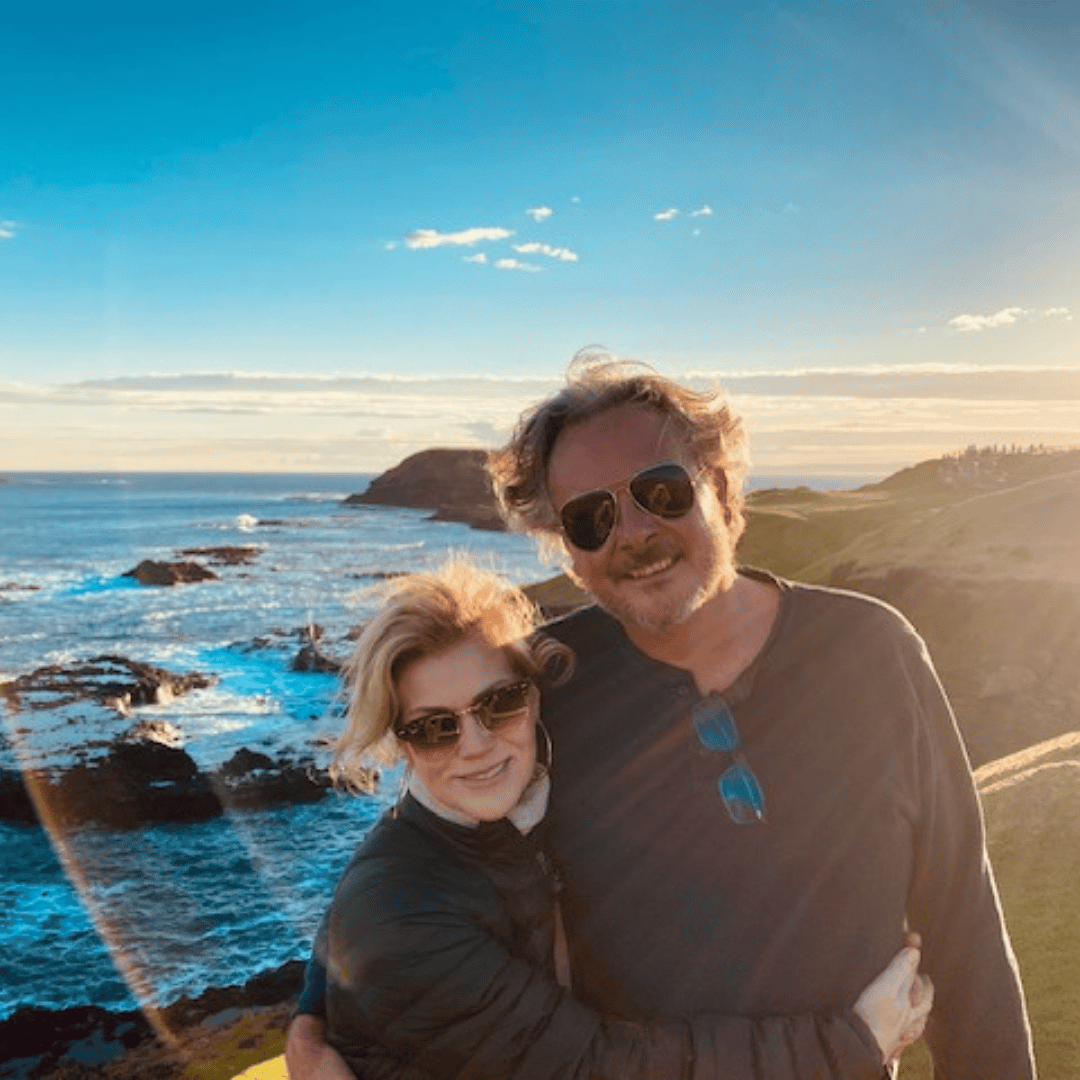
For coastal scenery, drive to The Nobbies and follow the clifftop boardwalks overlooking
Bass Strait and Seal Rocks. Cape Woolamai is the pick for more energetic walkers and
surfers, while Smiths Beach is another popular stop.
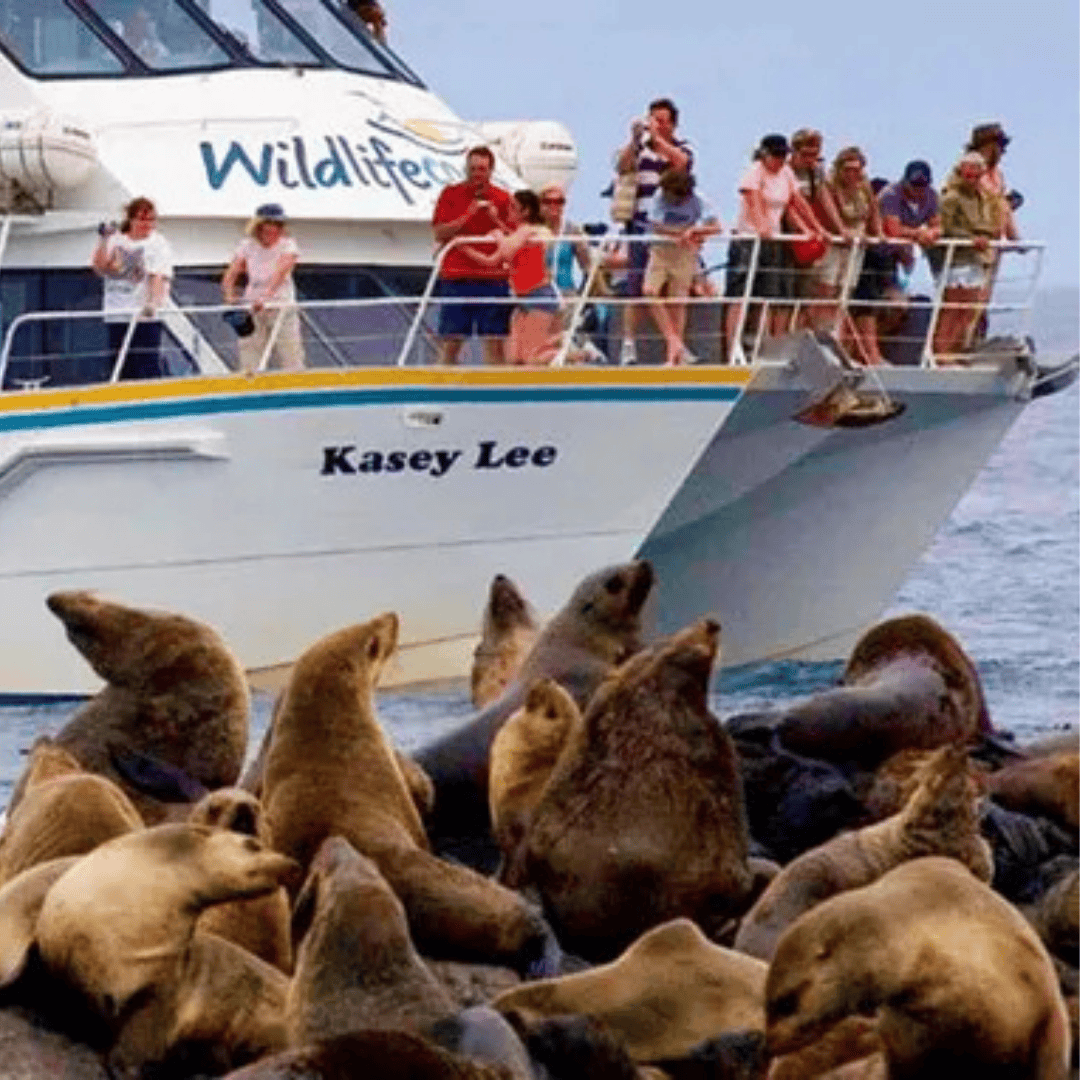
One of the best ways to appreciate the coastline is aboard a Wildlife Coast Cruises seal-
watching cruise. Its two-hour cruise departs Cowes Jetty and travels to the Australian fur
seal colony at Seal Rocks.
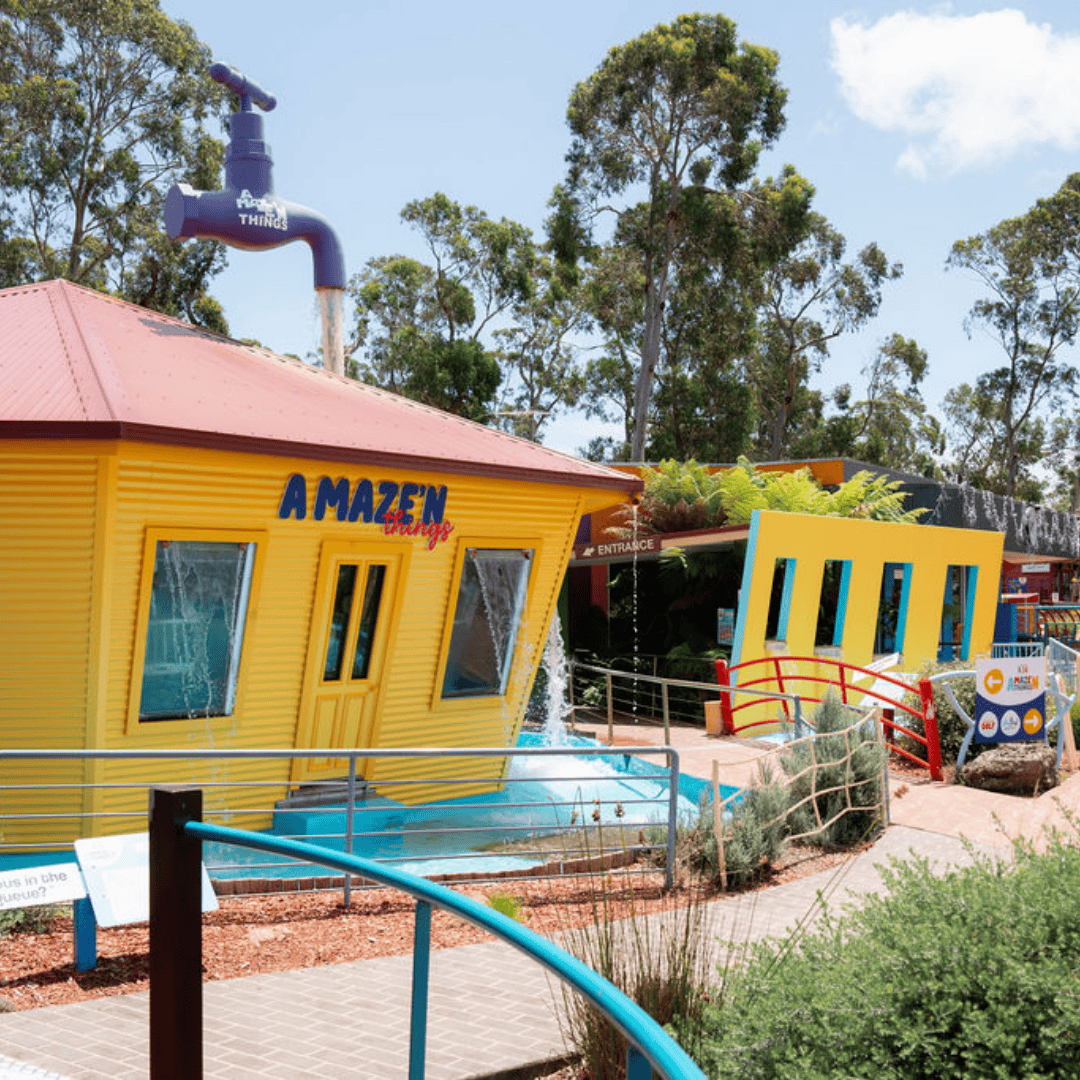
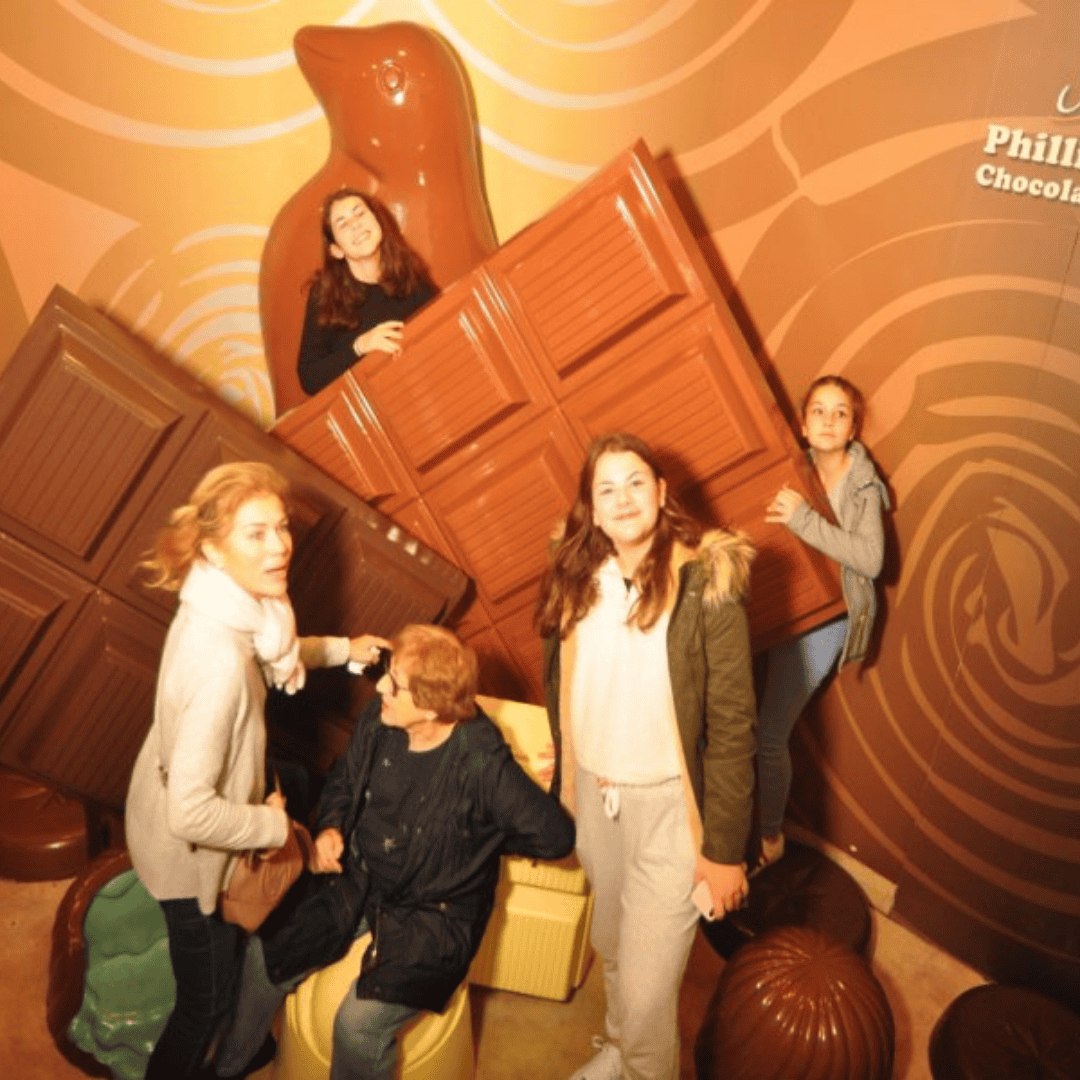
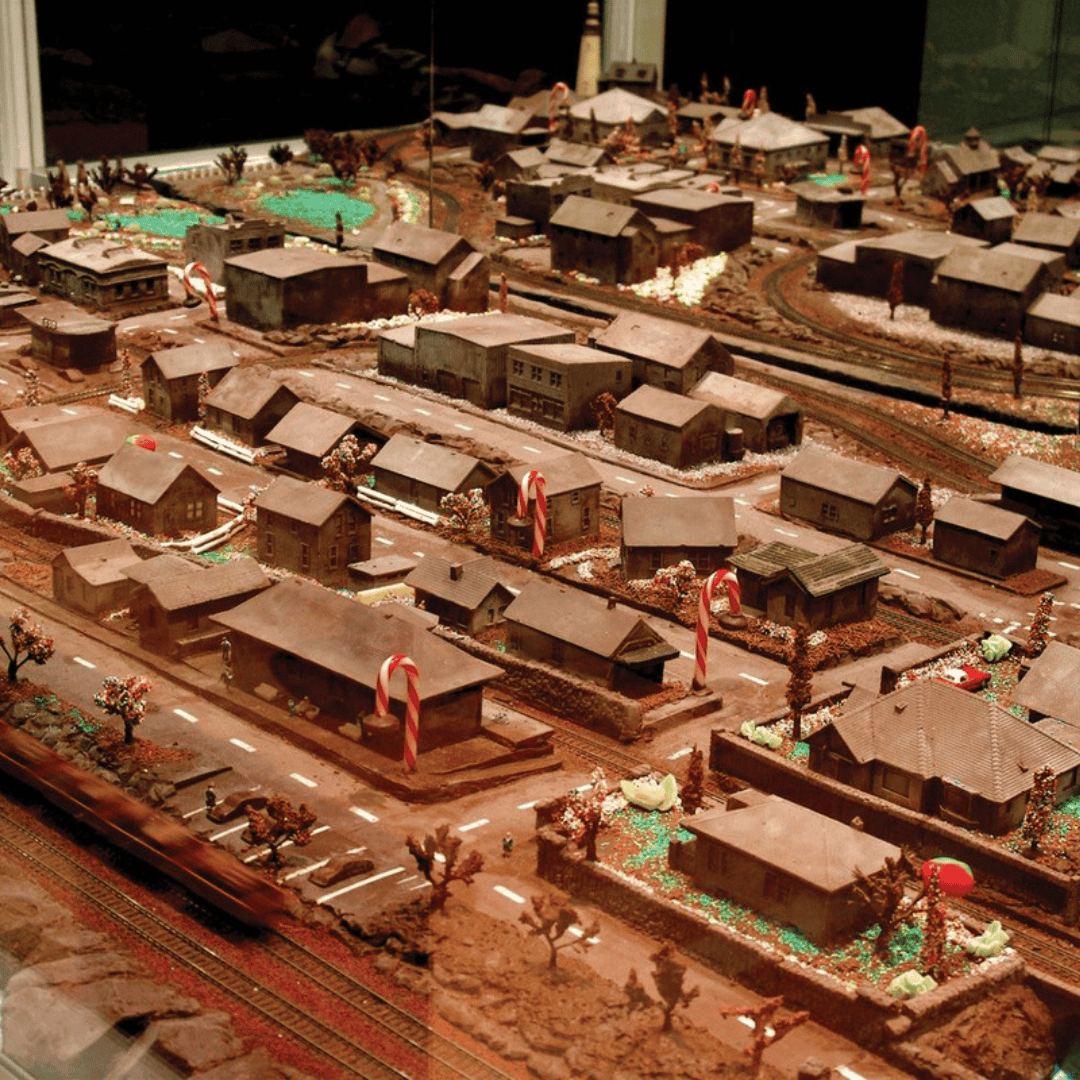
Families should also consider A Maze’N Things and the Phillip Island Chocolate Factory.
The chocolate factory is educational, interactive and delicious, although leaving without
buying anything requires greater discipline than most of us possess.
Motorsport enthusiasts can visit the Phillip Island Grand Prix Circuit and its Visitor Centre
and Go Karts. Driving the replica circuit in a go-kart is a lot of fun and allows ordinary people
to briefly imagine they are professional racing drivers—right up until someone’s twelve-year-
old flies past them. I was sad to hear that Phillip Island has recently lost the Motorcycle
Grand Prix but there are still plenty of other motor sport activities that happen down on ‘The
Island’ over the course of any year.
Where We Stay: Beach Park Tourist Caravan Park
My recommended base is Beach Park Tourist Caravan Park, part of the Kui Parks network.
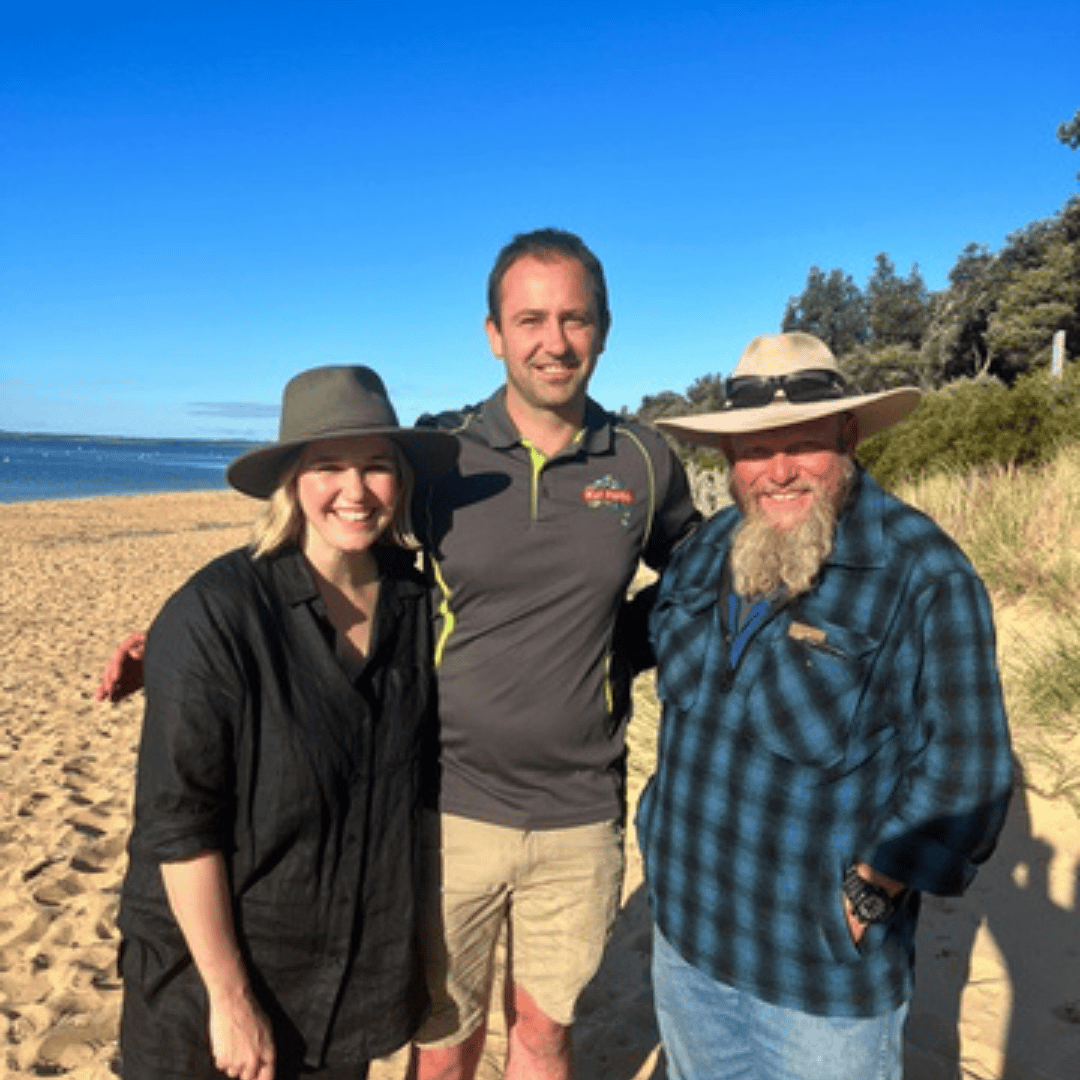
I know this park particularly well. We filmed two complete seasons of Camper Deals, along
with several episodes of What’s Up Downunder, here. We chose it because the park gave
us numerous filming environments in one location: grassed caravan sites, paved sites,
cabins, established trees, recreational areas and direct access to the beach.
Having stayed at a few park over the years I can honestly tell you that this park is my
personal favorite.
Just as importantly, the hosts have always looked after our crews and made us feel
welcome. When you arrive with presenters, caravans, tow vehicles, cameras, lights, sound
equipment and a production schedule that inevitably changes, accommodating hosts make
an enormous difference.
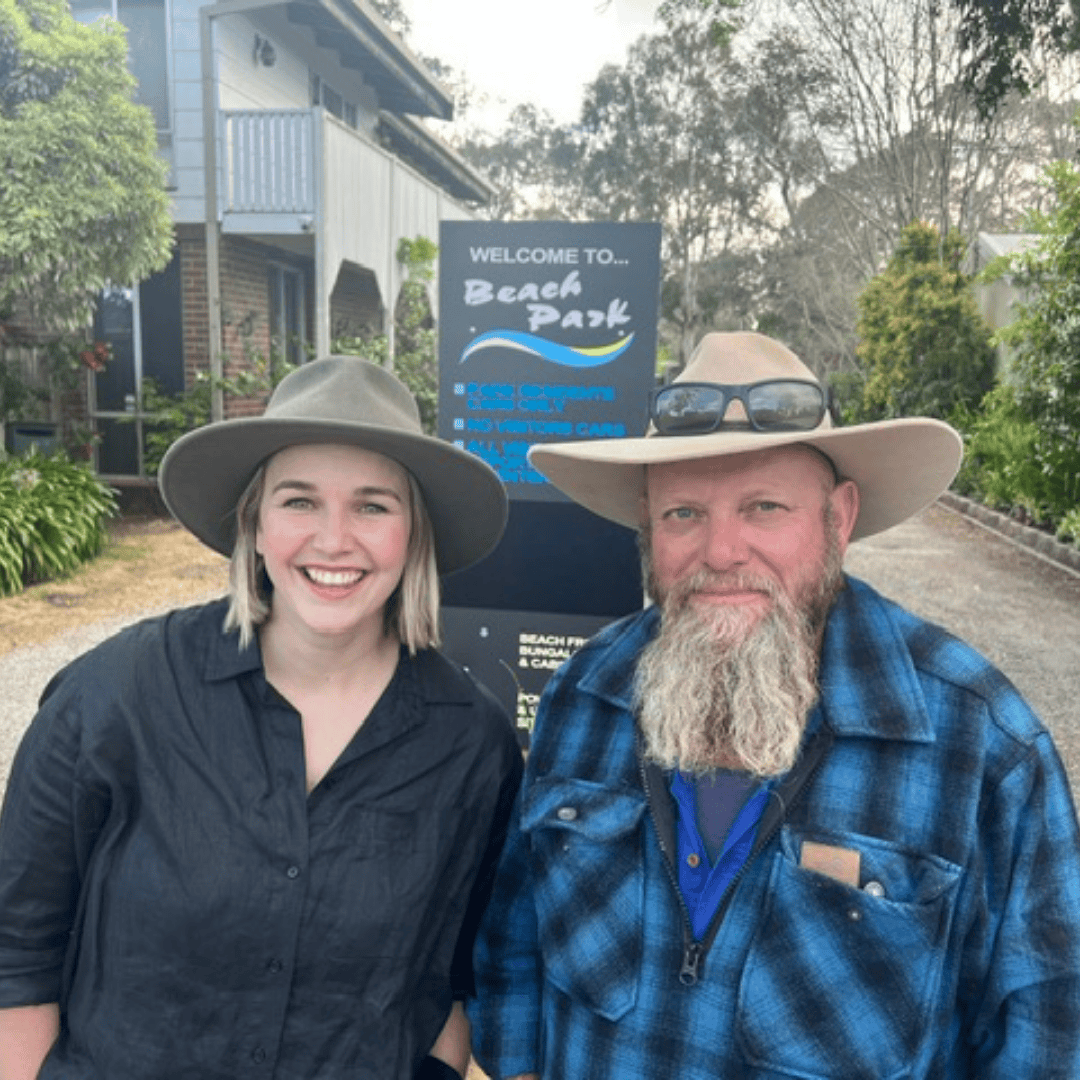
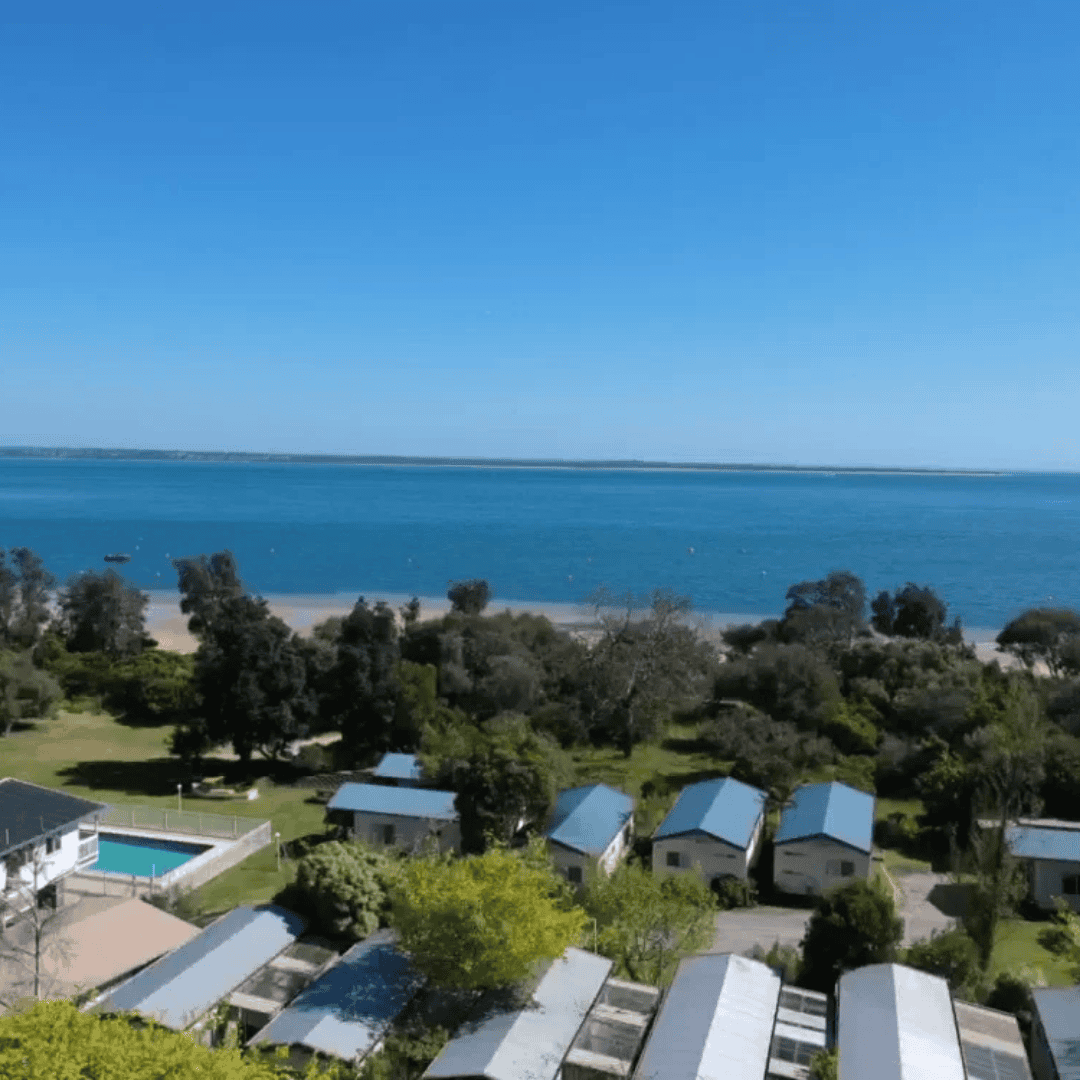
Beach Park is approximately 800 metres from central Cowes, so yes, you can walk home
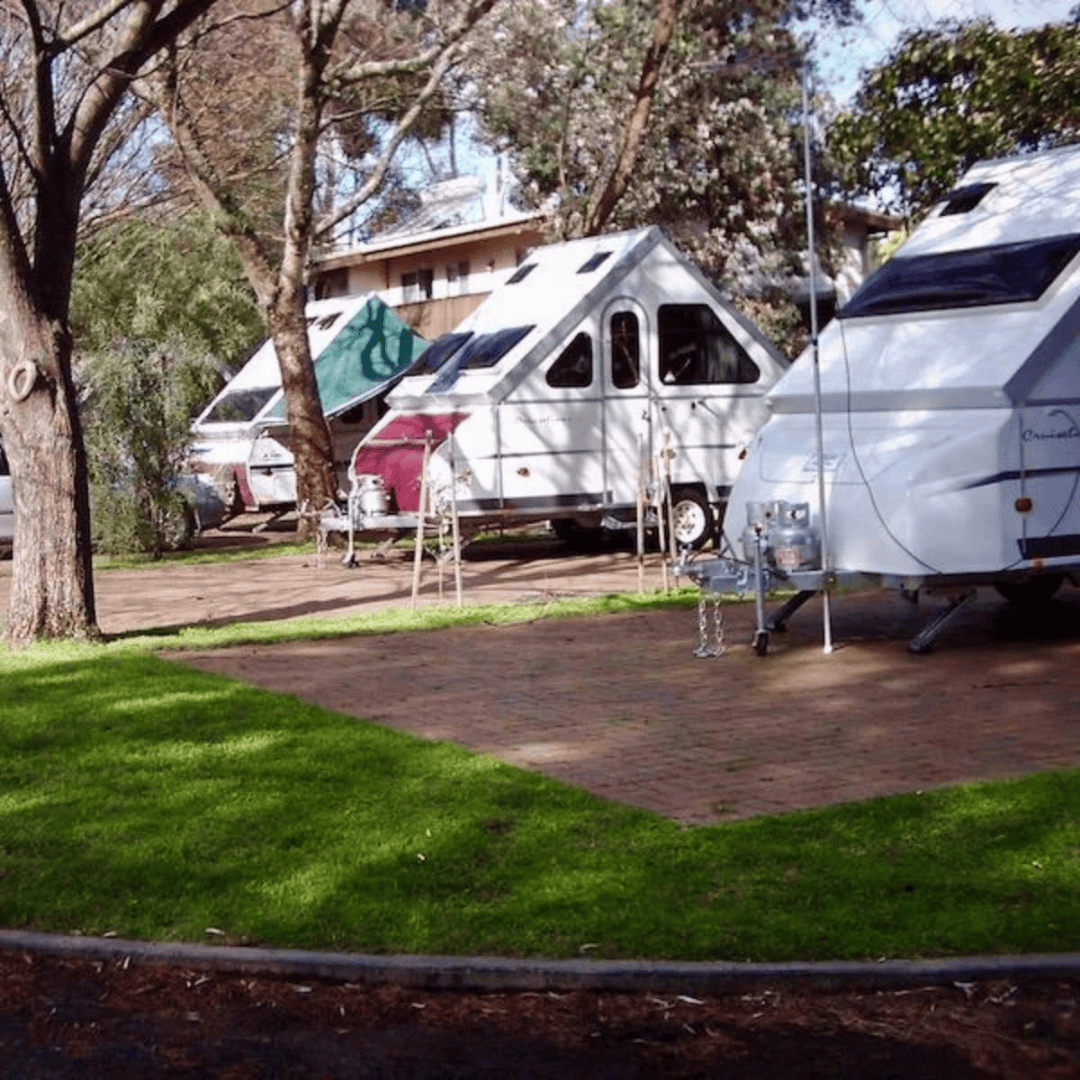
after a few beers, and sits beside a safe, north-facing swimming beach. It has around 50
large grassed tourist sites for caravans, motorhomes and tents, along with paved drive-
through sites that are particularly convenient for larger rigs.
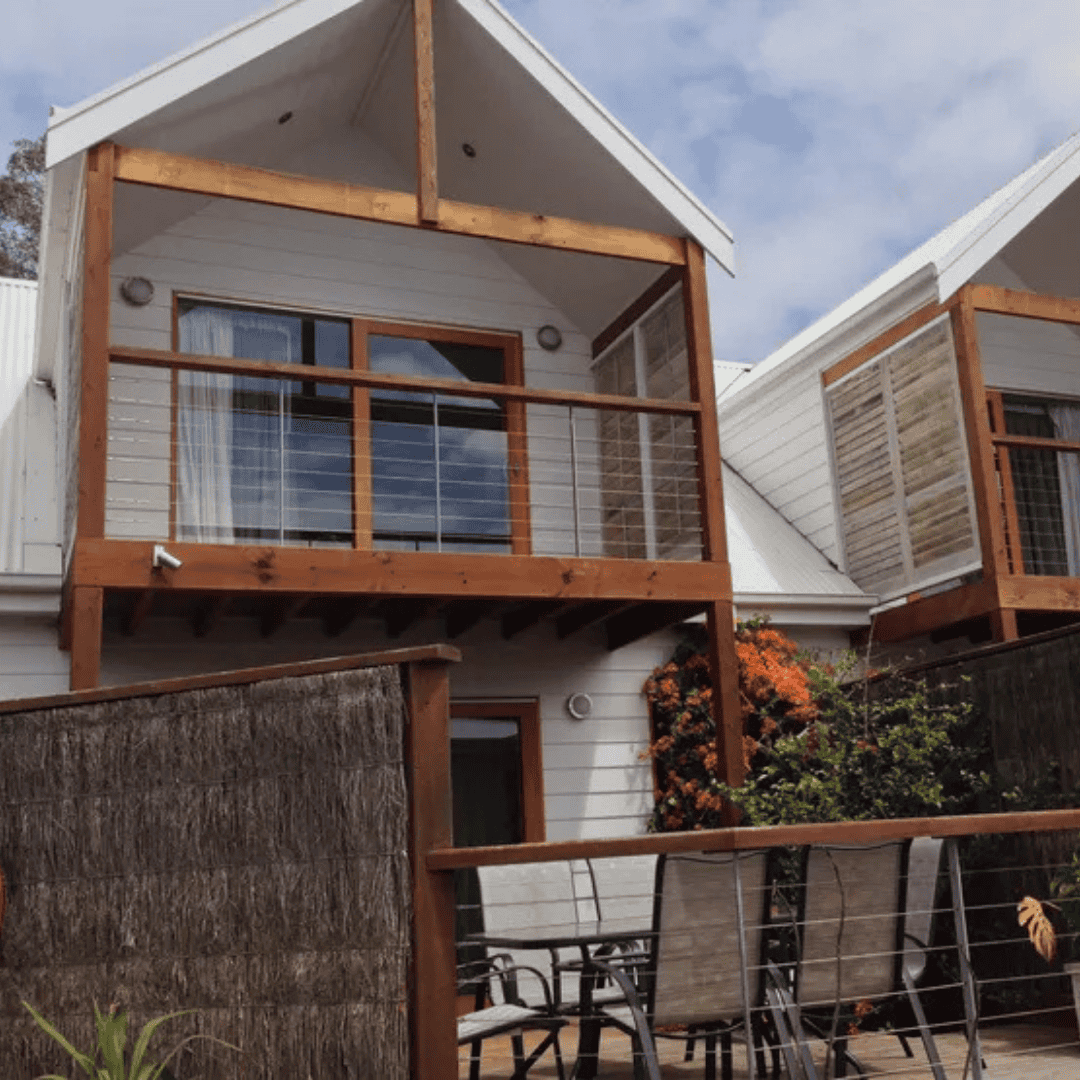
Accommodation includes Beachfront Bungalows, Island Bungalows, Villas and Eco
Cabins. The self-contained options include ensuites, equipped kitchens and reverse-cycle
air-conditioning, making them suitable for couples, families or friends travelling with caravan
owners.
Facilities include:
- Two amenities blocks.
- Laundry facilities.
- A children’s playground.
- Recreation and function room.
- Wi-Fi.
- Barbecue facilities.
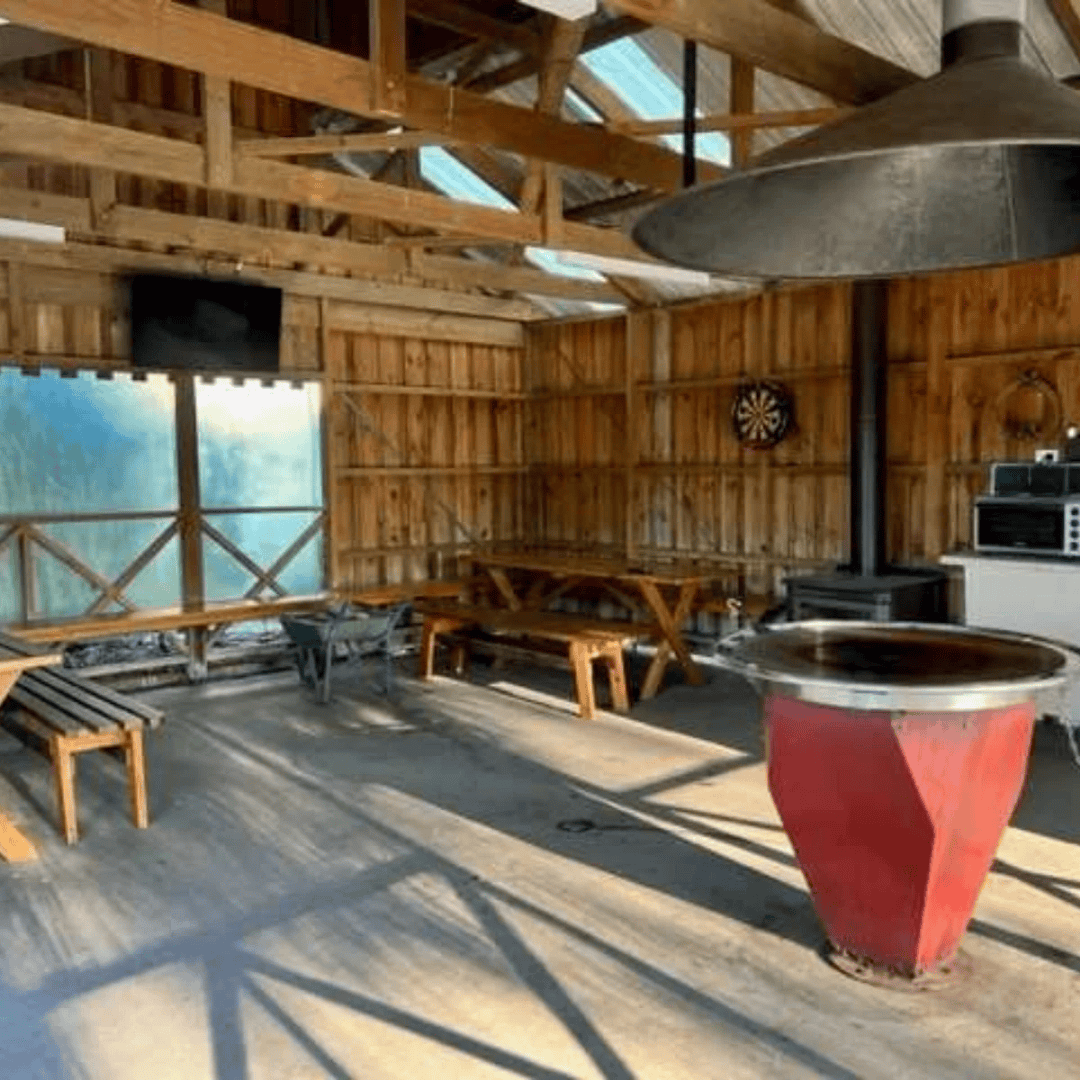
- Camp kitchen and barbecue barn with a log fire.
- Sewage dump point.
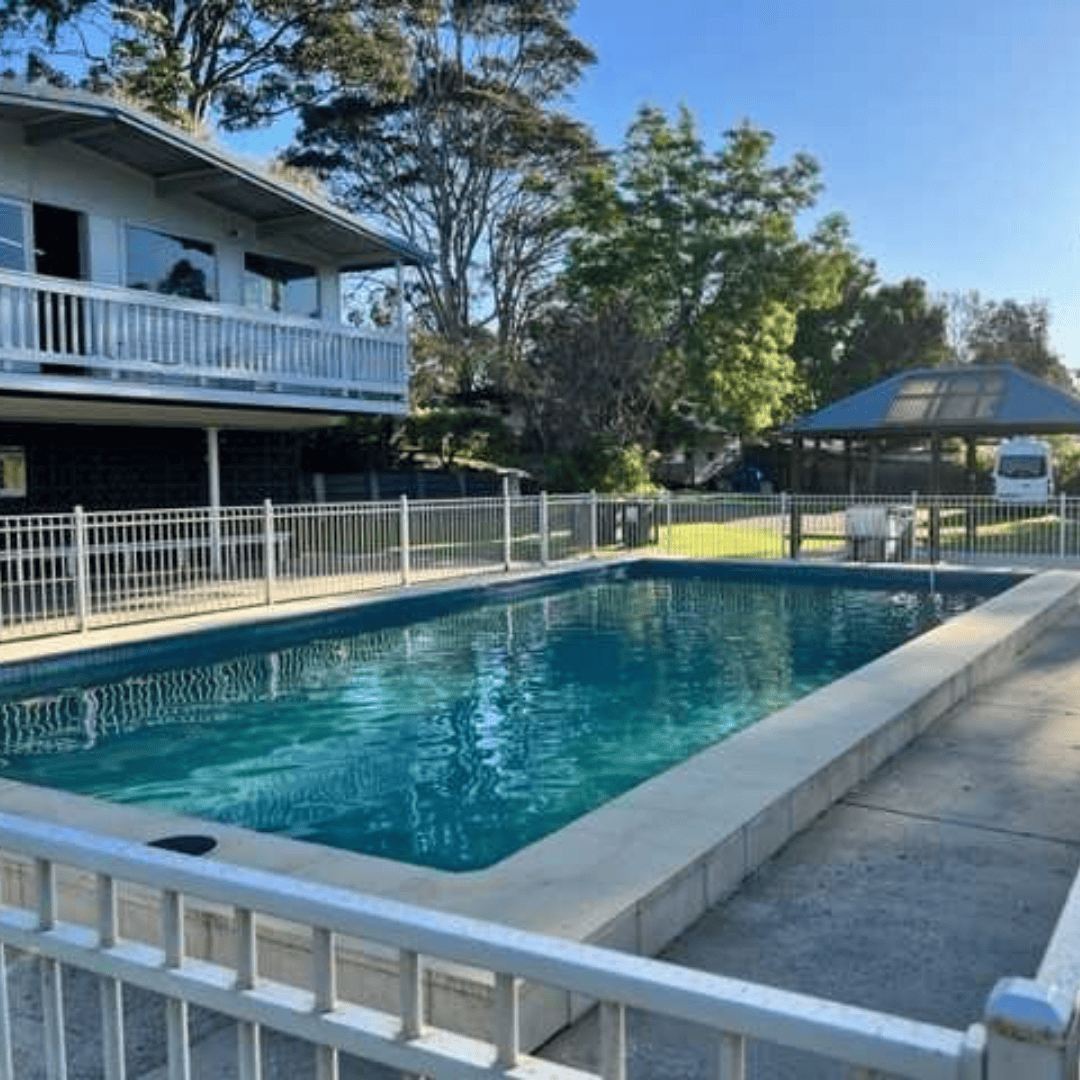
- Heated saltwater swimming pool operating seasonally, generally from September to
May. - Selected pet-friendly sites and accommodation, subject to current conditions and
confirmation when booking.
What makes Beach Park stand out is the combination of its leafy, traditional caravan-park
setting and genuine beach frontage. It feels peaceful, yet Cowes is close enough to reach on
foot. Grey Nomads have easy-access sites and practical facilities, families have the pool,
playground and beach, while couples and younger travellers gain a convenient base for
exploring the island.
When Should You Visit?
For swimming, beach days and long evenings, November through March is the most
popular period. January is peak holiday season, so expect larger crowds, higher demand
and more traffic. Planning to head to the Island at this time of year I strongly suggest
booking ahead.
My personal pick would be February, March or early autumn. The weather can still be
excellent, but the main school-holiday rush has eased.
Spring is ideal for walking, wildlife and road trips, while winter should not be dismissed. It is
colder and occasionally wild, but the island becomes quieter and more atmospheric.
Migrating humpback and southern right whales can be spotted along the coast from roughly
May to August, and accommodation can be easier to secure. Visit Phillip Island promotes
winter as its main whale-watching season.
Winter I strongly suggest that couples head to the island. It’s a lot quieter and romance can
be amplified for that special person you want to impress.
Why I Still Keep Coming Back
Phillip Island has moved through almost every chapter of my life without ever losing its
identity.
I remember it as a kid. I remember the nights at the Isle of Wight. I remember family
weekends when packing the car seemed to take longer than the actual drive. I remember
television shoots, early call times and trying to make Victorian coastal weather cooperate
with a filming schedule.
Through all of it, Cowes and Phillip Island have remained recognisable.
That is increasingly rare. Plenty of destinations change so much that the place you
remember eventually disappears. Phillip Island has evolved, but generally in small steps. It
still has its main street, beaches, penguins, caravans, fishing boats, windswept headlands
and that unmistakable sense of arrival when you cross the bridge.
For Grey Nomads, families, couples and young adventurers, it remains one of Victoria’s
easiest and most complete road-trip destinations.
And for me, it is one of those places that never feels entirely new—but never feels worn out
either. It carries a truly special place in the history of my life and my heart.
To find out more about Cowes & Phillip Island in VIC – HERE
To book your stay at Kui Parks Beach Park Tourist Caravan Park – HERE
To see find a Kui Parks Holiday Park that suits your next holiday – HERE