Coraki, NSW: Where Two Rivers Meet and the Road Trip Slows Down
Article by Warren Parrot – @whatsupwithwaz
“Crikey, we’re in Coraki!” It was an obvious joke, but somebody had to say it—and it set the
tone for our stay. Tucked where the Richmond and Wilson rivers meet, this easy-going
Northern Rivers town soon proved that while its name sounds like an Aussie exclamation,
Coraki is better suited to slowing down, settling in and wondering why we nearly drove
straight past.
For grey nomads, Coraki offers affordable riverside camping, easy walking, fishing,
birdwatching and a peaceful base for exploring the Richmond Valley.
Families get open space, boating, nearby beaches, aviation history and room for the kids to
move without constantly hearing “don’t touch that”.
Young adventurers can launch a kayak, cycle quiet backroads, explore the riverfront and
day-trip to national parks, surf beaches and hinterland farms.
Best of all, Coraki makes the journey part of the holiday.
Arriving in Coraki
We approached Coraki through a landscape of cane fields, grazing country, tea-tree
plantations and broad Northern Rivers skies. It was an easy drive, but not a boring one. The
roads around Woodburn, Casino, Lismore and Coraki reveal a quieter side of the region,
well away from the busier coastal strip.
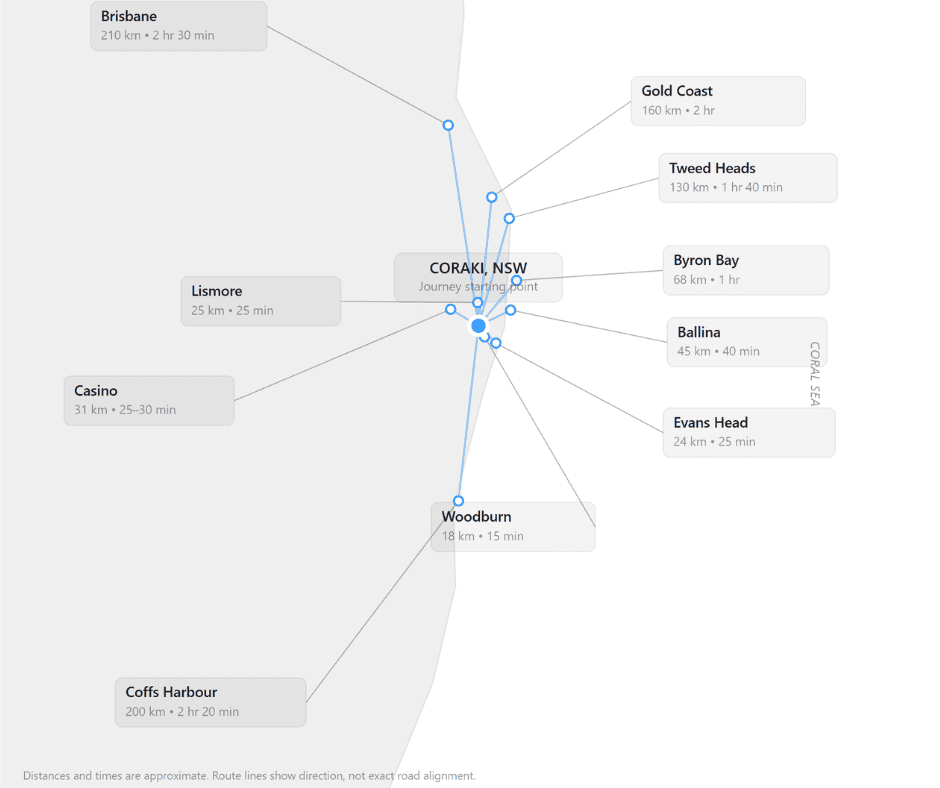
Approximate road distances and normal driving times are:
- Lismore: 25 kilometres, about 25 minutes
- Casino: 31 kilometres, about 25–30 minutes
- Woodburn: 18 kilometres, about 15 minutes
- Evans Head: 24 kilometres, about 25 minutes
- Ballina: 45 kilometres, about 40 minutes
- Byron Bay: 68 kilometres, about one hour
- Tweed Heads: roughly 130 kilometres, about 1 hour 40 minutes
- Gold Coast: roughly 160 kilometres, about two hours
- Coffs Harbour: about 200 kilometres, around 2 hours 20 minutes
- Brisbane, the nearest capital city: approximately 210 kilometres, about 2 hours 30
- minutes
Times naturally depend on traffic, roadworks, weather and how often somebody calls out,
“Pull over—there’s a bakery.” Caravan drivers should allow extra time and check current
road conditions, especially following heavy rain.
A Town Built Beside the Water
Coraki stands on Bundjalung Country. Richmond Valley Council commonly explains the
Aboriginal place name as meaning “meeting of the waters”, an especially fitting description
when you stand beside the junction of the Richmond and Wilson rivers. Other historical
interpretations of the name have been recorded, so it is better not to pretend the translation
is completely settled.
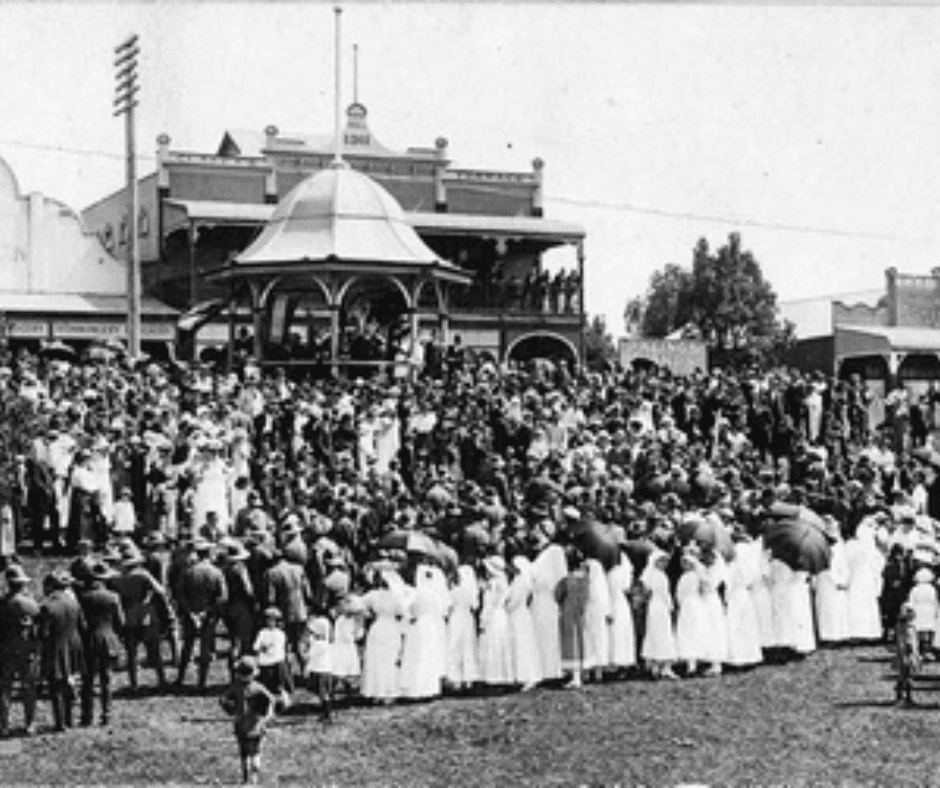
European settlement developed from 1849, when William Yabsley established himself here.
Timber, particularly red cedar, helped drive the early economy. Before dependable roads and
railways, the rivers were the district’s highways, and Coraki became an important transport
and trading centre. It was once described as the busiest inland port in New South Wales,
with boats moving people, timber, produce and supplies throughout the Richmond River
system. The town later became closely associated with dairying, agriculture and tea-tree
production.
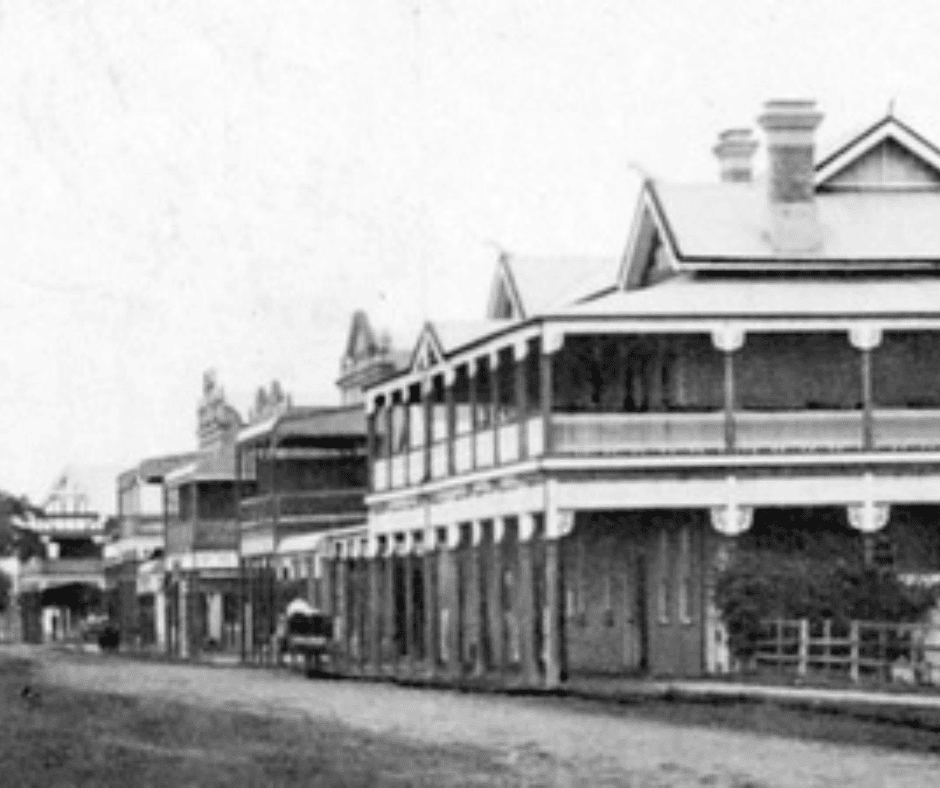
You can still read that river-port history in the layout of the place. The main street, Richmond
Terrace, follows the water rather than turning its back on it. The riverfront remains Coraki’s
front verandah.
The wider Richmond Valley stretches between cattle country around Casino (the home of
one of Australia’s greatest musical sons – Shannon Noll) and the coast at Evans Head,
taking in river villages, wetlands, farmland and sections of national park. Coraki is
particularly well known today for fishing, boating, birdwatching, tea tree and its quiet riverside
setting. It is not trying to be Byron Bay’s country cousin, that is one of its strengths.
Our First Walk Along Richmond Terrace
We started with the main street before racing off to see the wider region. That proved to be
the right approach because Coraki’s centre and riverfront work together.
Richmond Terrace is compact and easy to explore on foot. The shopping strip provides
everyday essentials, including food, postal and pharmacy services, while the river and
caravan park sit just across the way. It is all refreshingly convenient: no need to organise a
packed lunch and a search party merely to buy milk.
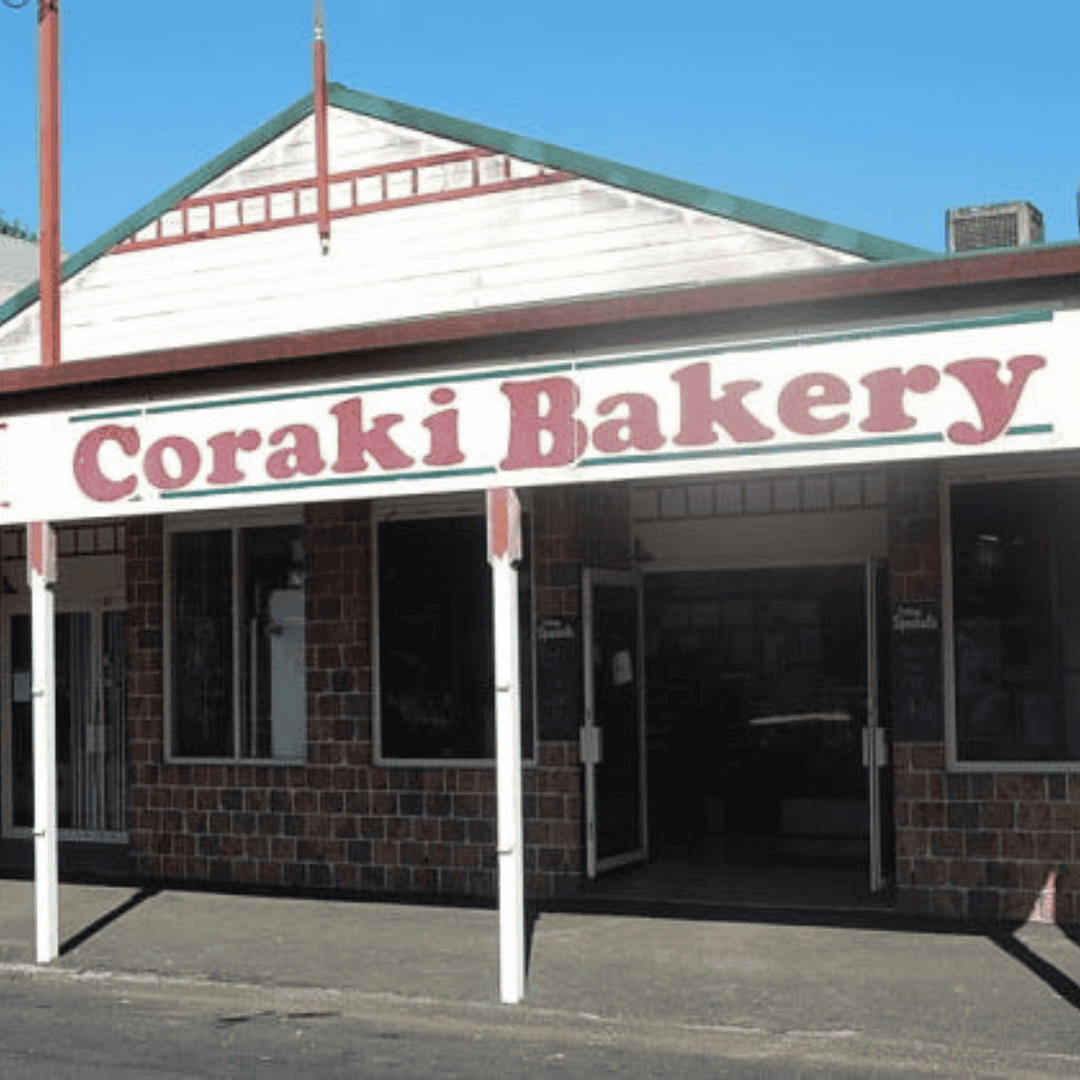
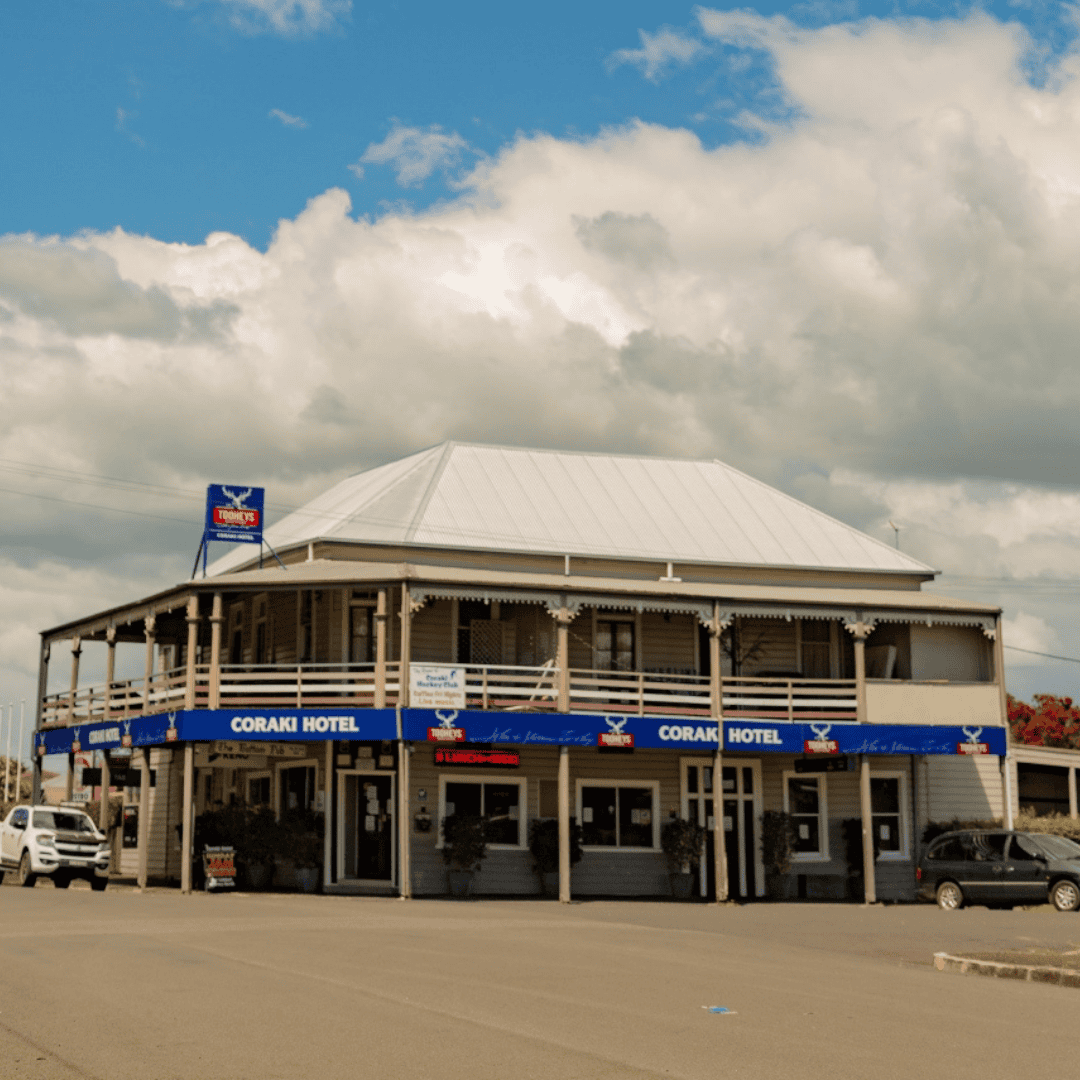
Our first stop was Coraki Bakery, at 77 Richmond Terrace. The bakery was actively trading
when we checked, with fresh bread, pies, cakes, pastries and coffee among its regular
offerings. We grabbed supplies for morning tea and exercised the traditional Australian
traveller’s right to judge a town by its pie. Scientific result: we finished it.
We also visited Coraki Memorial Bowling Club, which maintains a current website and
operates at 17–19 Richmond Terrace. It is worth checking the club’s latest opening and meal
times before turning up, as hours in small towns can change. For travellers, places like this
are often where the genuine local welcome lives. You may go in for a drink and emerge
knowing the river level, tomorrow’s weather and which local bloke has been “absolutely
robbed” in the bowls competition.
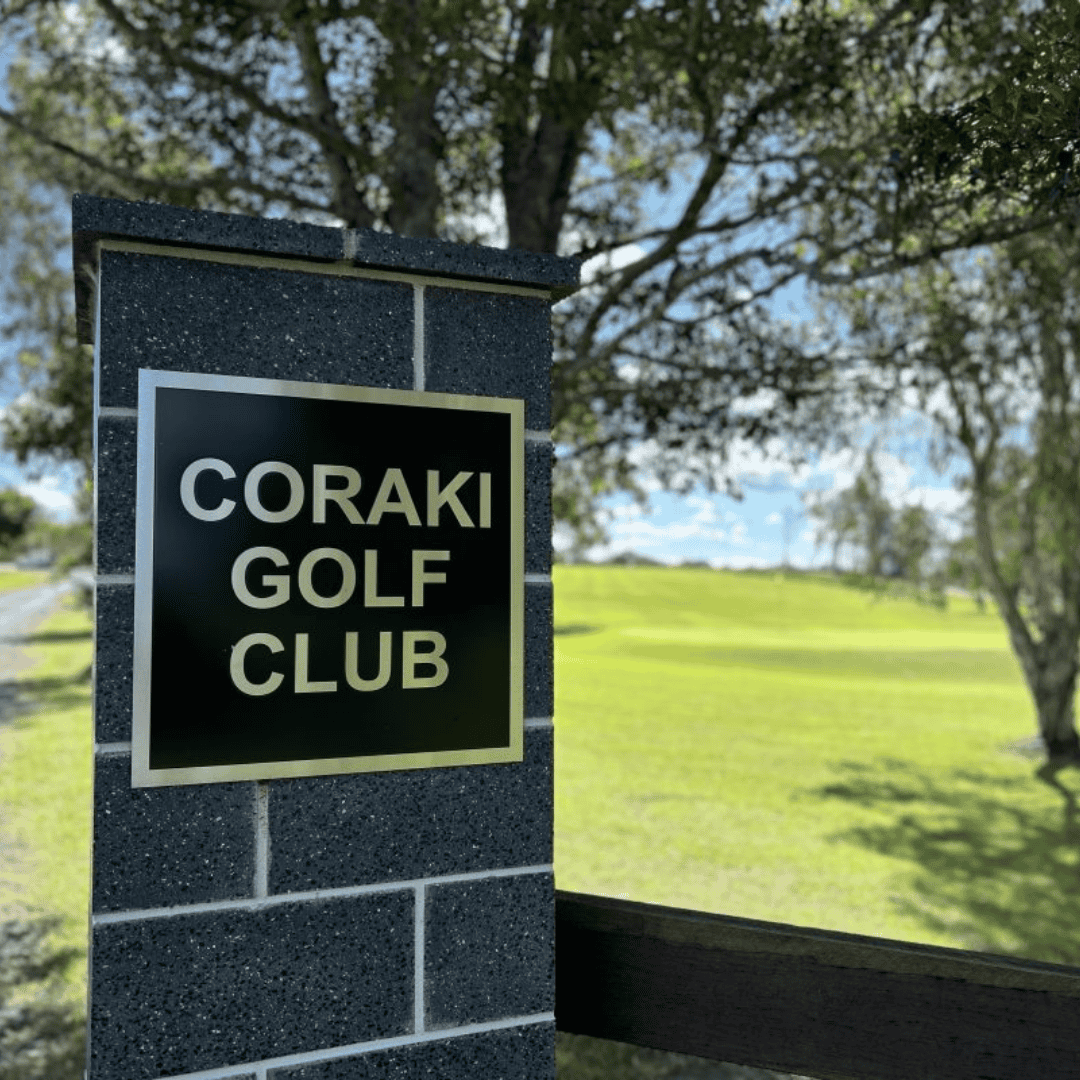
A little farther around town, Coraki Golf Club is an operational nine-hole country course with
18 tees, a licensed clubhouse and social golf available through the week. The largely flat
terrain looks friendly, but the club warns that it can be deceptive. That is golf’s polite way of
saying your ball may still disappear even though there is no obvious hill, forest or act of God
to blame. Current playing and clubhouse information is available through the Coraki Golf
Club.
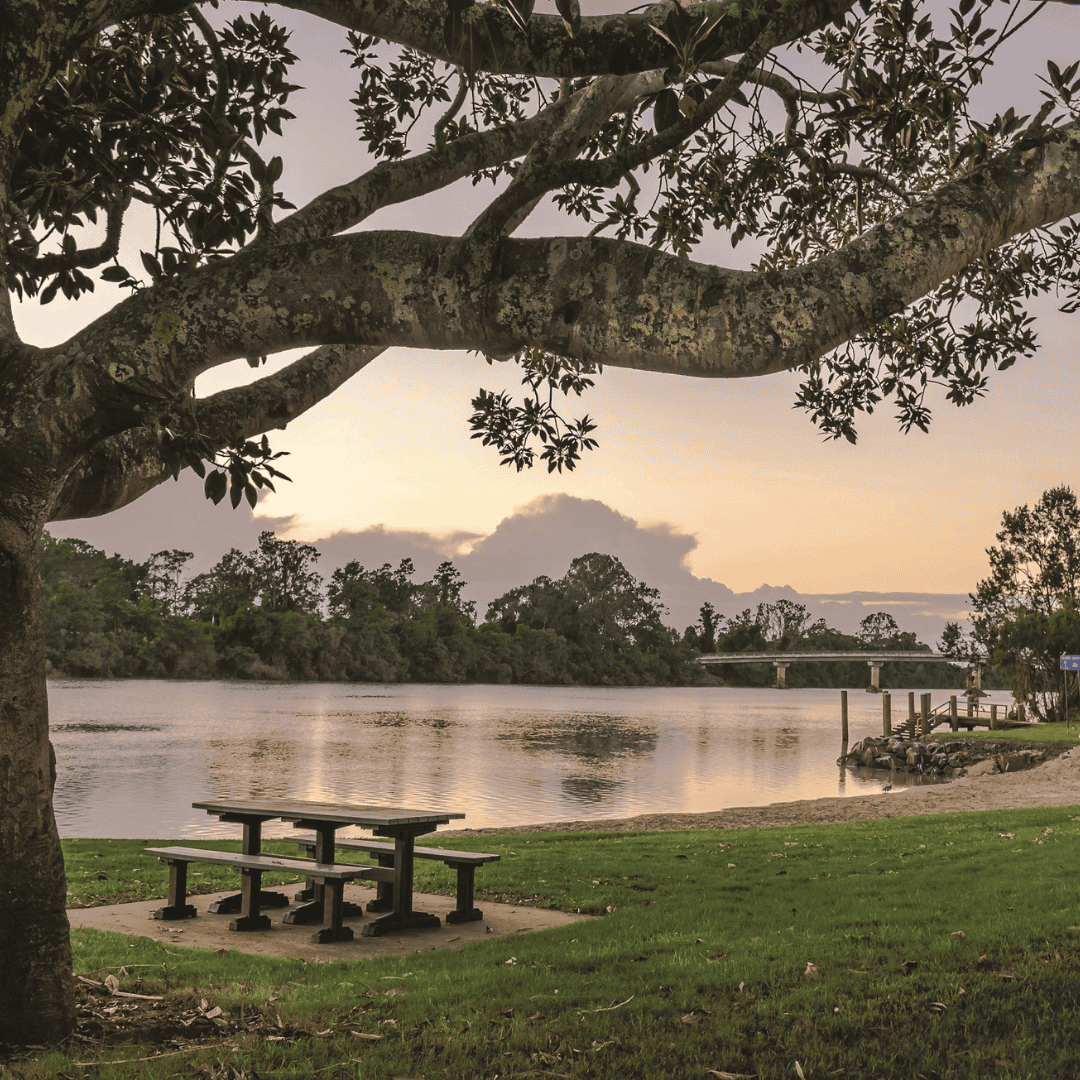
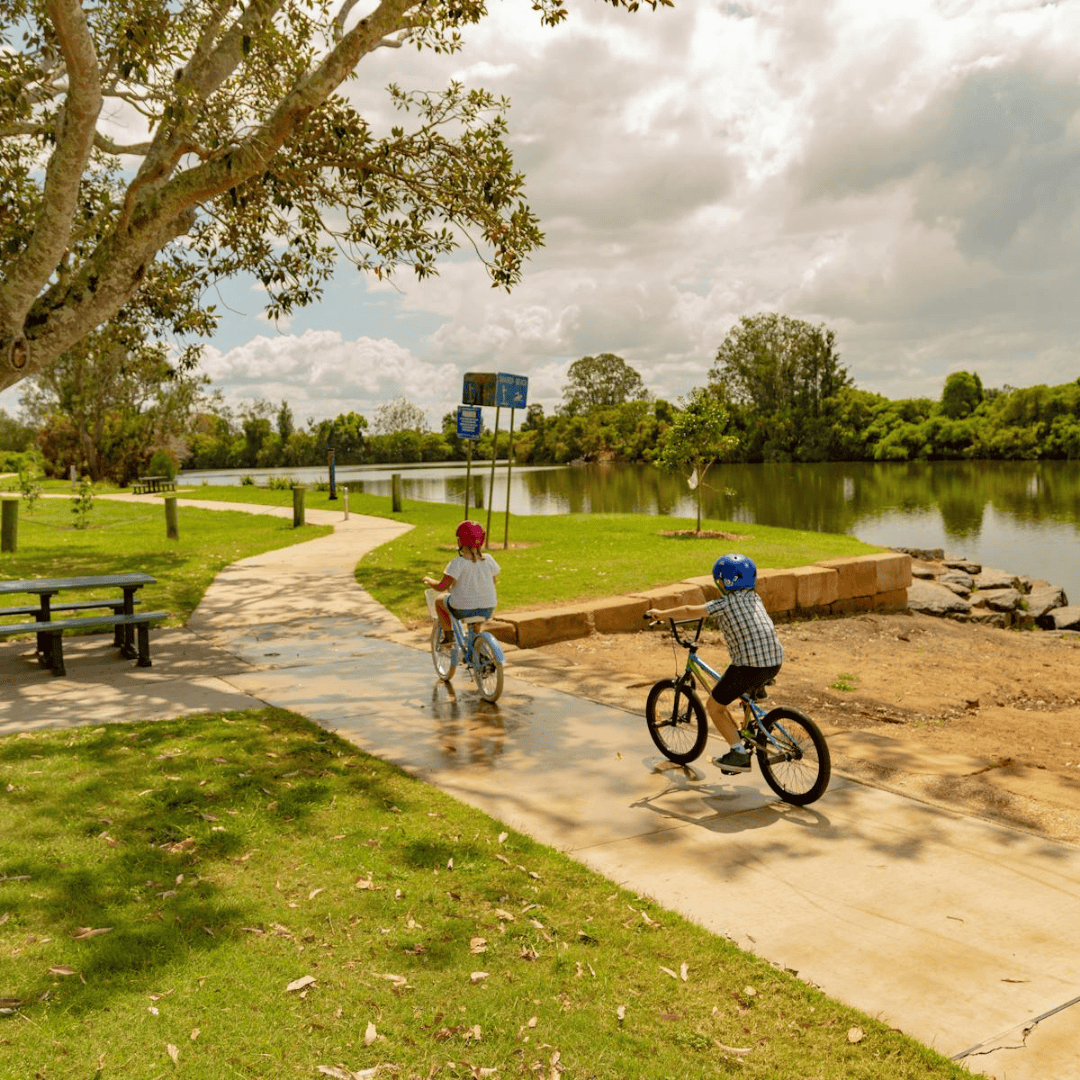
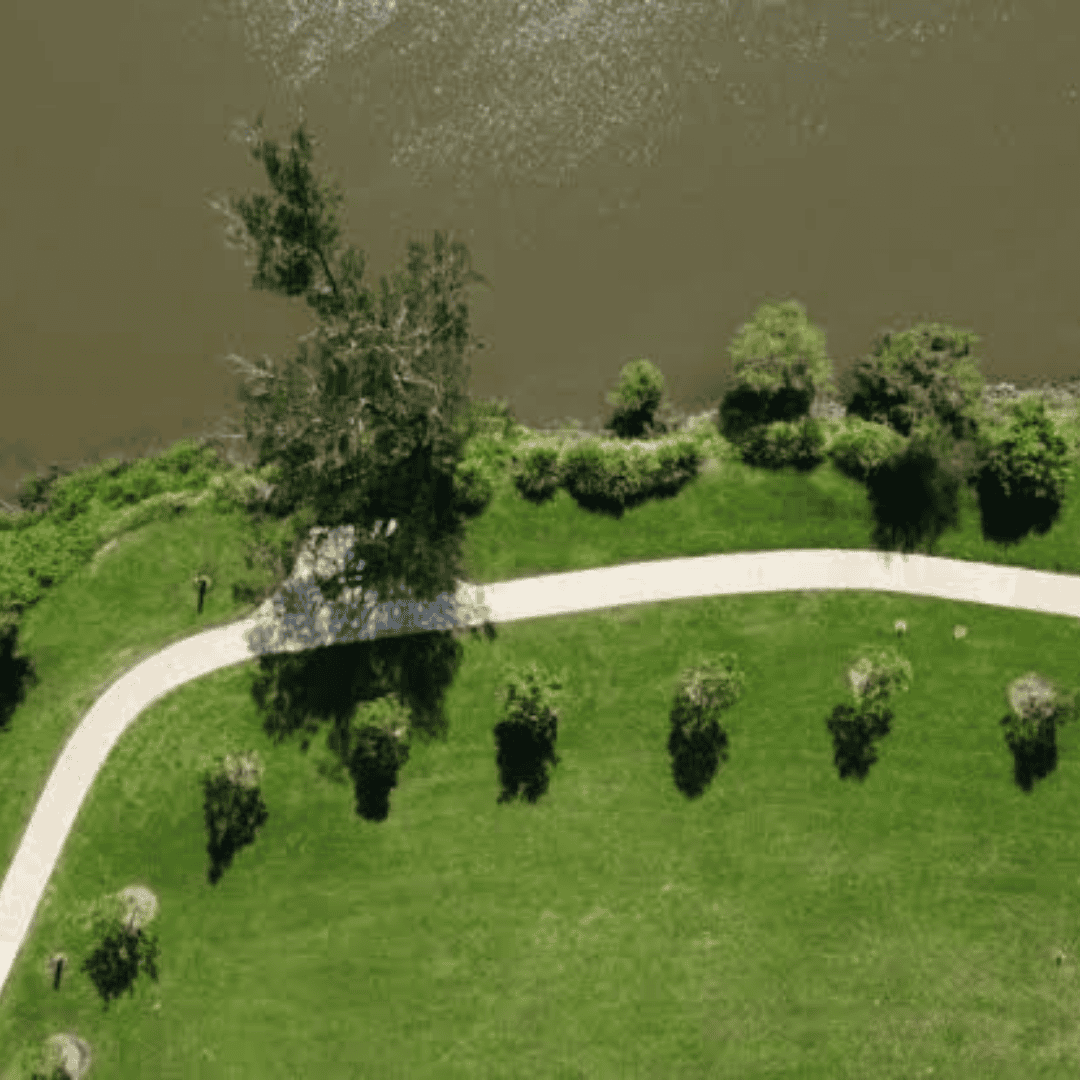
The riverfront itself has become one of Coraki’s best public spaces. We followed the
pathway beside the Richmond River, passing picnic shelters, barbecues, outdoor seating,
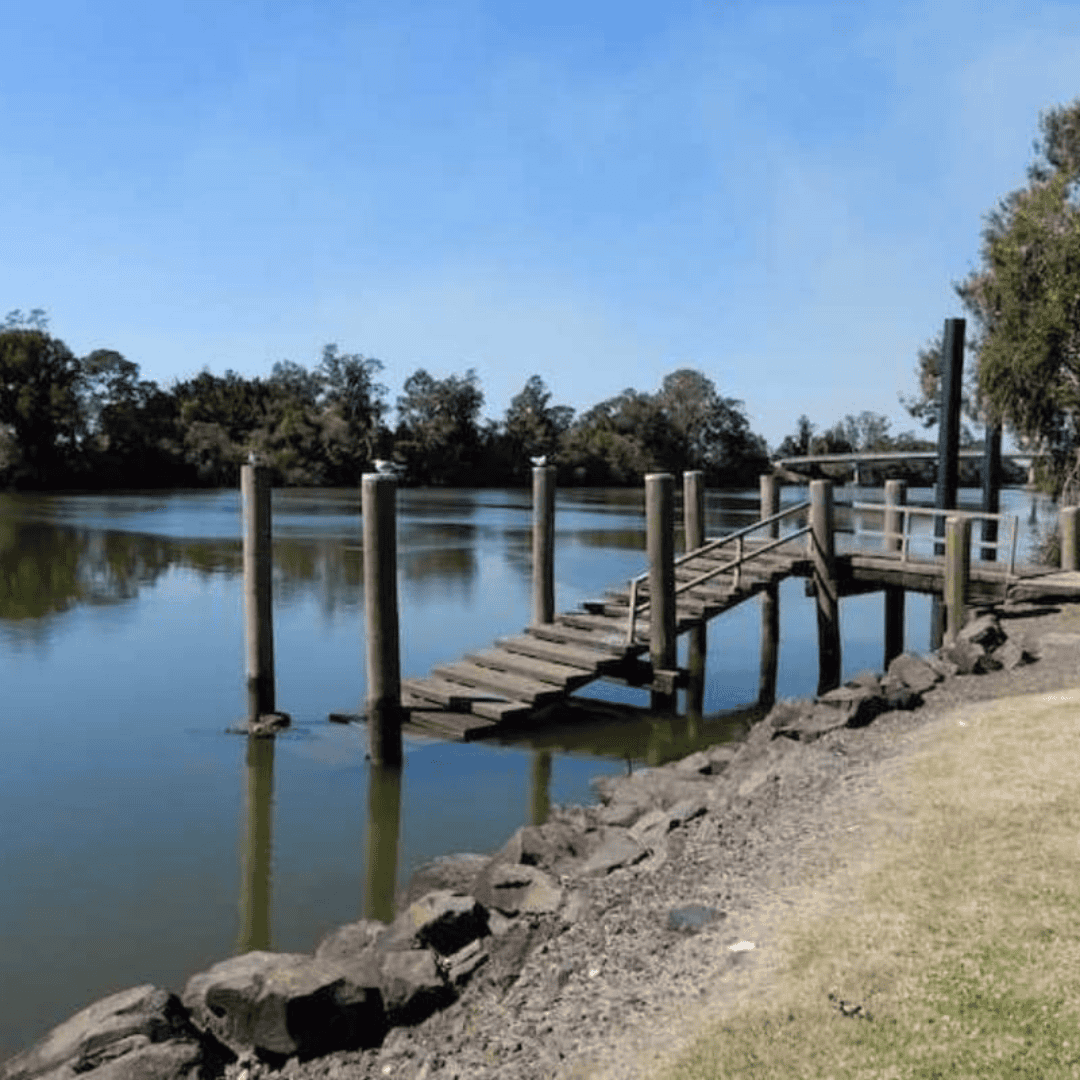
fitness stations and the upgraded river beach. The precinct also includes a pontoon and boat
ramp, while a nature walk extends south towards East Coraki. Richmond Valley Council says
the main riverside path runs for about 570 metres between the boating area and the caravan
park. The original wharf has gone, but a picnic shelter incorporates recycled timber from
it—a modest and rather lovely link with the town’s port days. Richmond Valley Council’s
riverfront information confirms the current facilities.
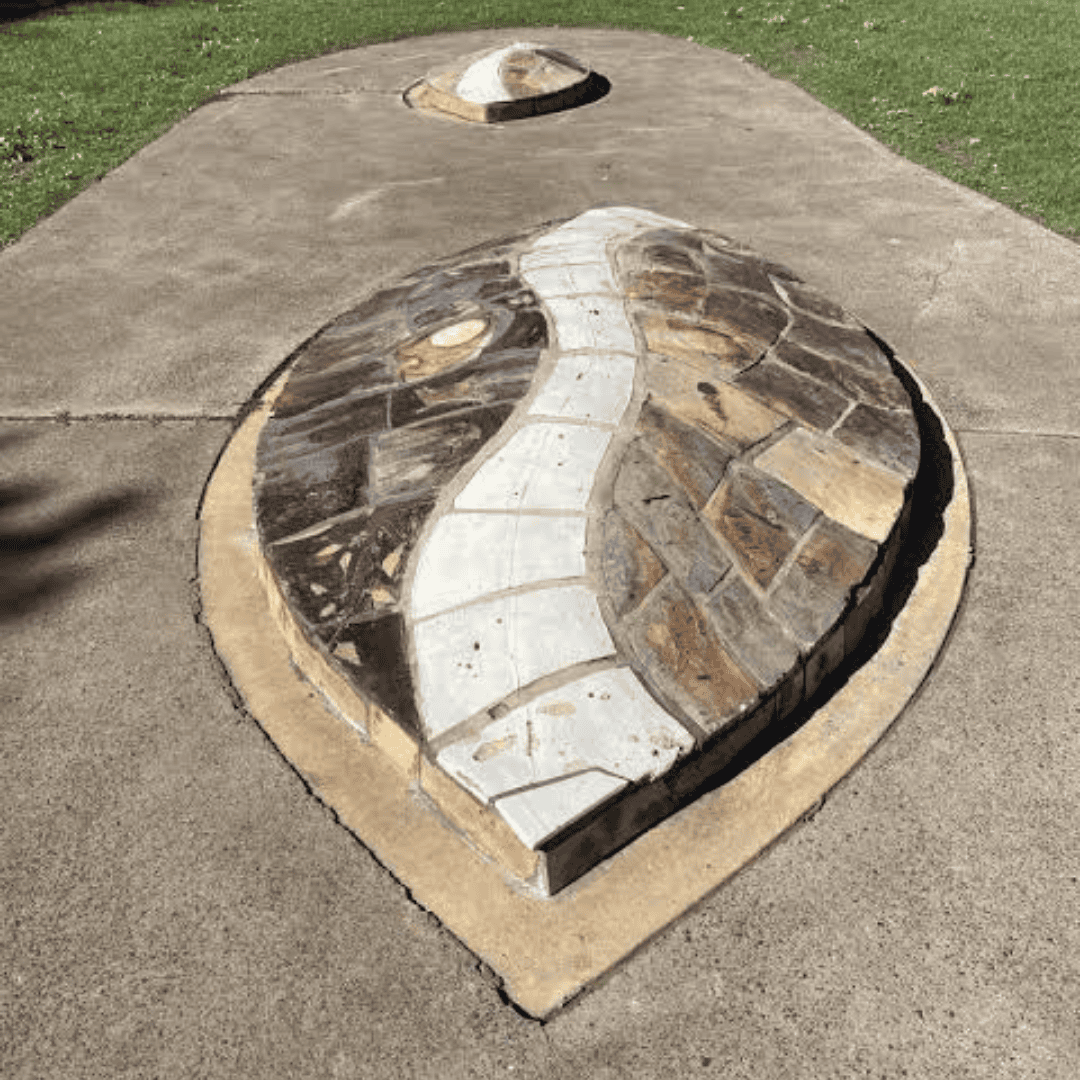
We also stopped at the Coraki Healing Stones, a free public artwork at 121 Richmond
Terrace. Created from local clay by artist Suvira McDonald with community volunteers, the
work brings together cultural and environmental themes. Tracks, textured surfaces and a
community-made tiled pathway invite a slower look. This is not a five-second roadside selfie
stop; it is better approached quietly and respectfully. The attraction remains listed by the
NSW Government.
Staying at Coraki Riverside Caravan Park
We based ourselves at Coraki Riverside Caravan Park & Camping Grounds, part of the
Kui Parks network. Its position is the standout feature: it sits directly beside the Richmond
River while remaining within walking distance of the main street.
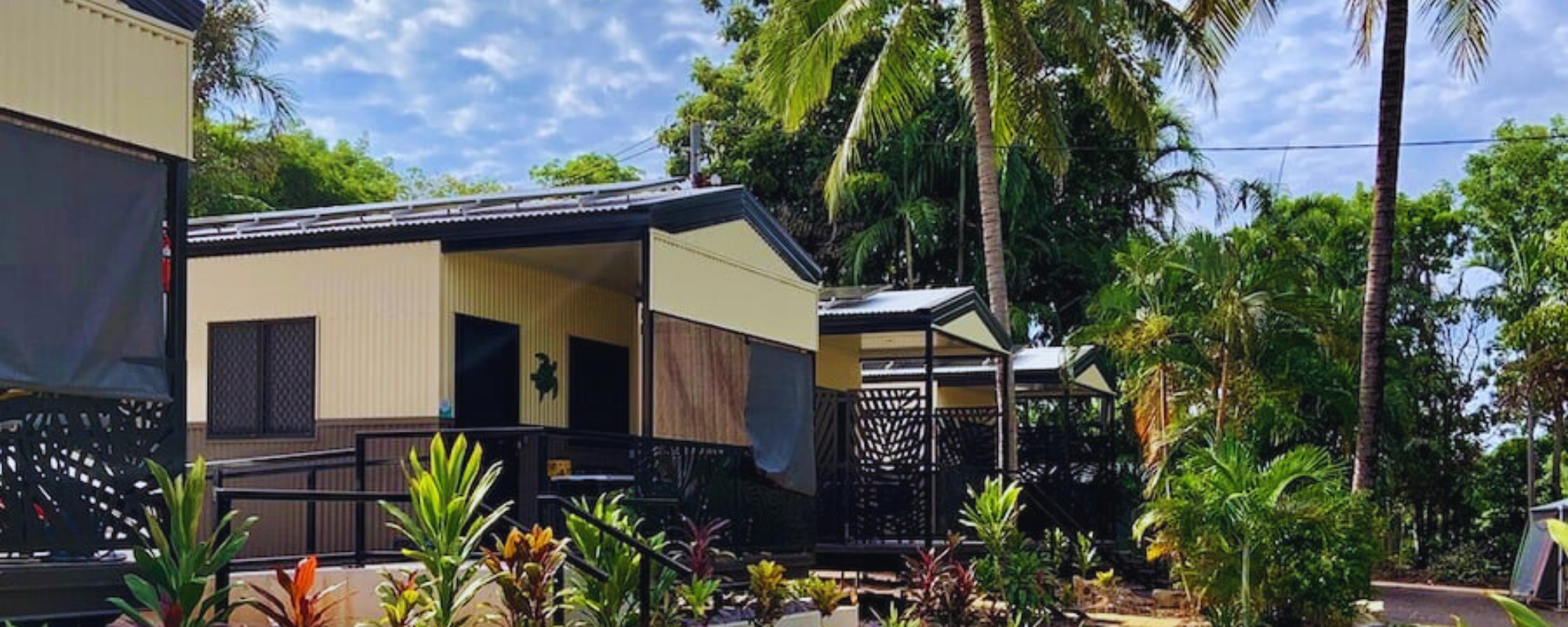
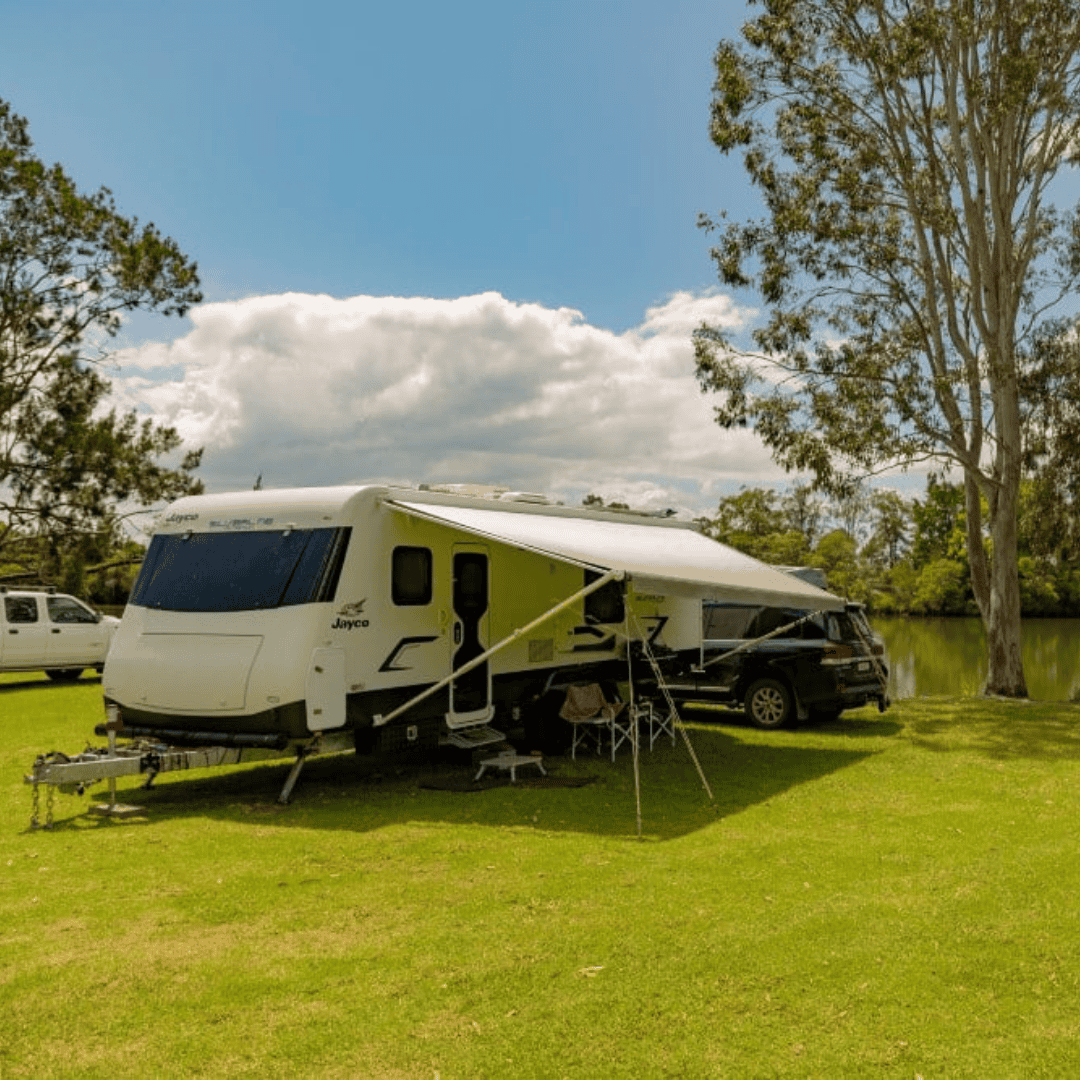
This is a small, peaceful camping park, not a holiday resort wearing a cowboy hat. The
park’s current accommodation information lists spacious powered and unpowered sites for
caravans, motorhomes, campers and tents. Powered sites can include a concrete slab,
grass, power and water, while the unpowered camping is on grass with water nearby. Large
rigs are accommodated, and pet-friendly sites are offered subject to the park’s rules.
Importantly, the park’s dedicated accommodation and published rate pages currently
advertise camping and caravan sites rather than holiday cabins. Although a generic booking
form may display a cabin option, we would confirm directly with management before
assuming any cabin is available. Travellers who do not have their own van, motorhome or
tent should ring ahead rather than arriving with one overnight bag and an optimistic
expression.
Facilities include modern amenities, accessible amenities, laundry facilities, a sewage dump
point, barbecues and a camp kitchen. An electronic boom gate adds security. The park also
provides tourist information, and the boat ramp, wharf and river beach are only a short walk
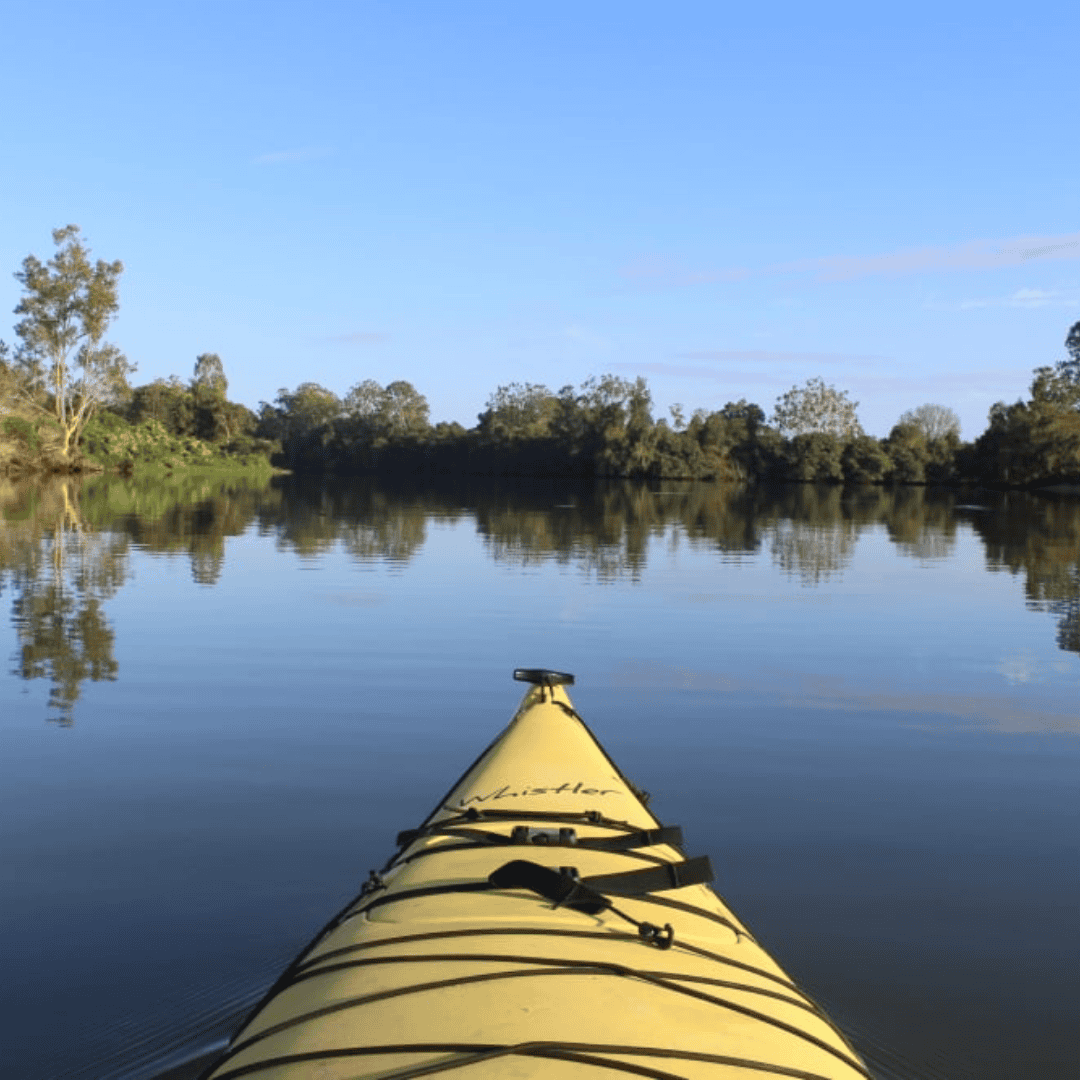
away. Direct access to the river makes it especially attractive for fishing, kayaking and
boating.
Braziers raised off the ground may be permitted, subject to Rural Fire Service restrictions
and park rules, but open fires are prohibited. Pets must remain on leads, and quiet hours
apply. In other words, bring the dog and perhaps a small approved brazier, but leave the
midnight karaoke machine at home. Australia has suffered enough.
There is no on-site swimming pool, games room, jumping pillow or large playground
advertised. For families seeking a full-scale resort, that distinction matters. However, there
are public recreation spaces and a children’s play area nearby, and Coraki’s seasonal public
pool should be checked locally for operating dates. For us, the park’s appeal was precisely
that it did not resemble a travelling amusement park.
Grey nomads will appreciate the level sites, affordable tariffs, peaceful evenings, accessible
facilities, proximity to shops and current Kui Parks loyalty discount. Families can camp
together, use the camp kitchen and public riverfront facilities, and reach the coast on an easy
day trip. Younger travellers get a good-value base for paddling, fishing, cycling and
exploring.
The park publishes a stay-four-pay-for-three offer on eligible powered and unpowered sites,
no holiday tariff surcharge and discounted stays for Kui Parks members, but rates and
conditions should always be confirmed when booking. Current details are available from Kui
Parks.
Our favourite part was simple: sitting beside the river as the light changed, watching birds
work the banks while somebody nearby attempted to convince a fish that a lump of bait
represented a sound dining decision.
Top 5 FREE things to do
- Walk Coraki’s riverfront and East Coraki nature trail.
- Visit the Coraki Healing Stones
- Fish, picnic and watch the birdlife besides the Richmond Valley
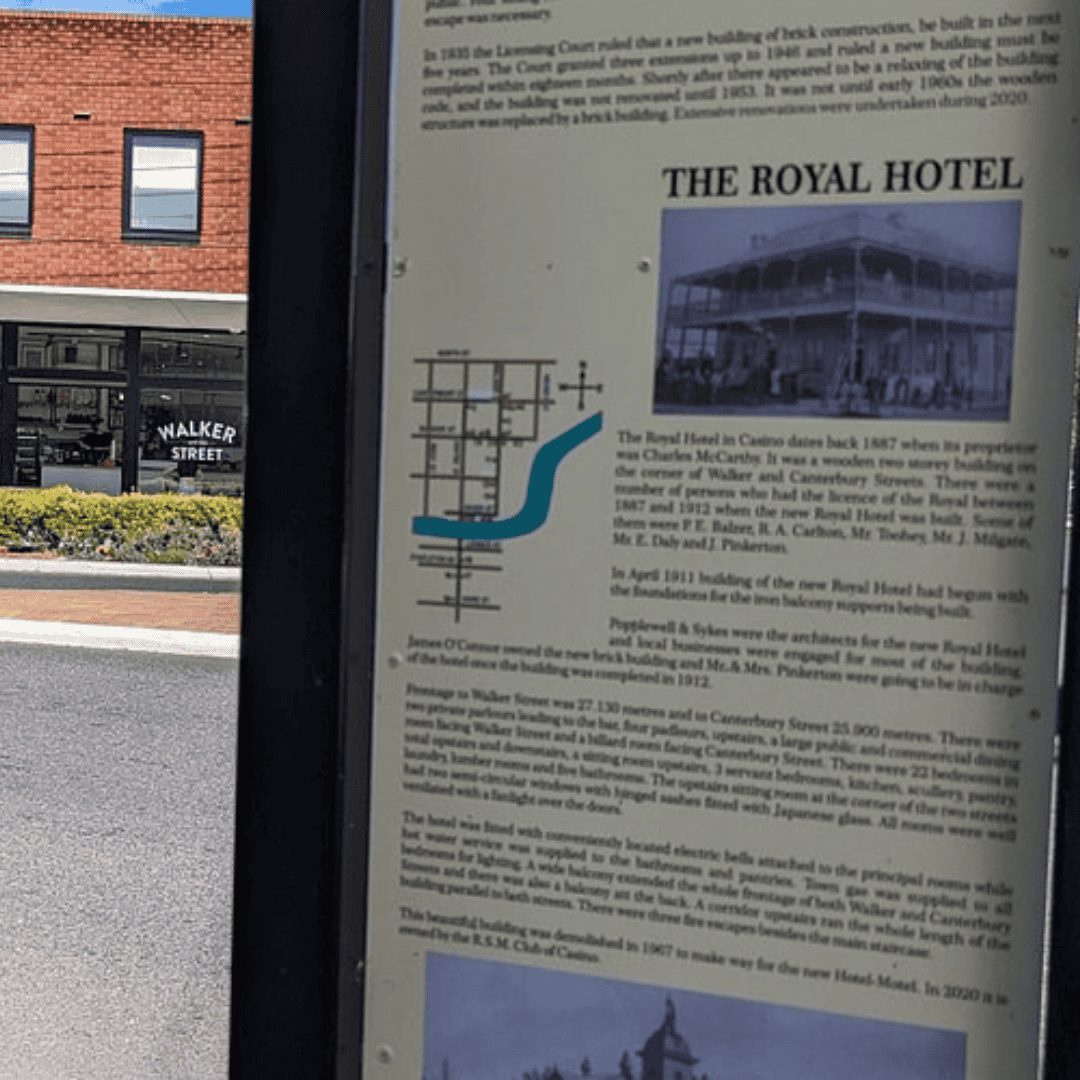
- Follow the self-guided Casino Historical Walk
- Swim, walk and beachcomb at Evans Head.
Top 5 paid must-do attractions
- Play nine holes at Coraki Golf Club.
- Join a guided tour at Evans Head Heritage Aviation Museum
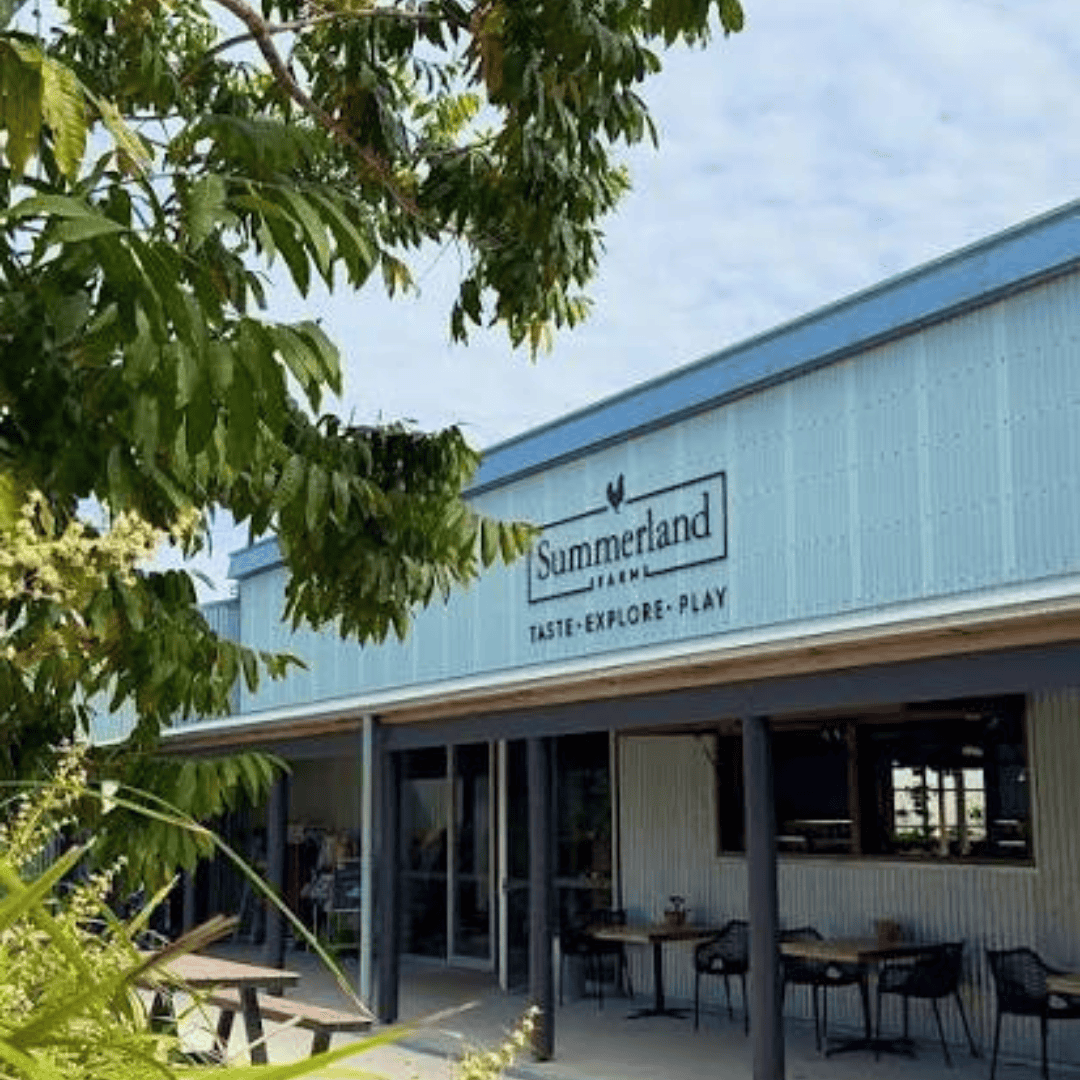
- Take a guided orchard tour at Summerland Farm
- Visit the Ballina Naval & Maritime Museum
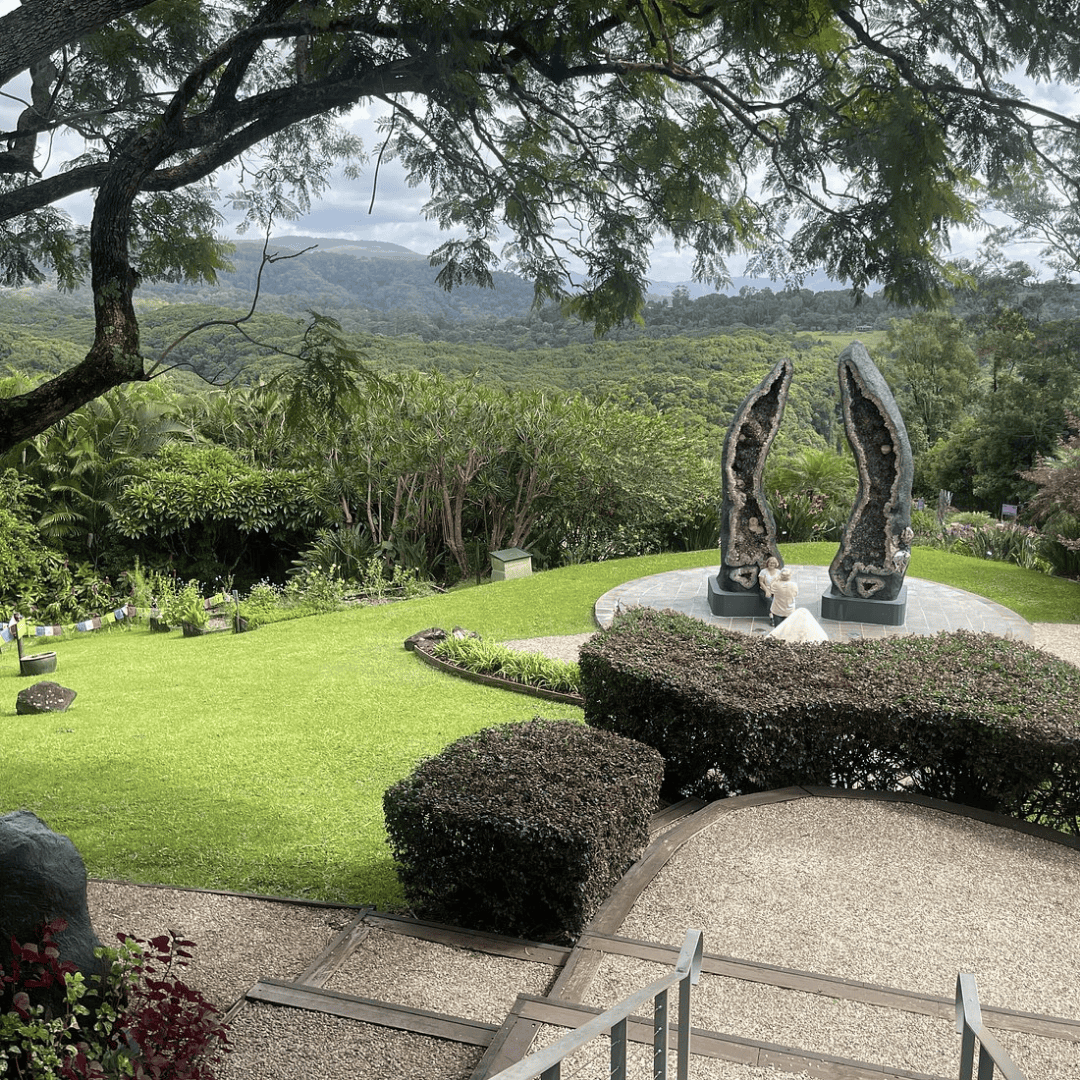
- Explore Crystal Castle & Shambhala Gardens near Mullumbimby
Day Trips and Tours from Our Riverside Base
Coraki works well as a hub. We could spend the morning in town, take an afternoon
excursion and return before dinner without turning the day into an endurance rally.
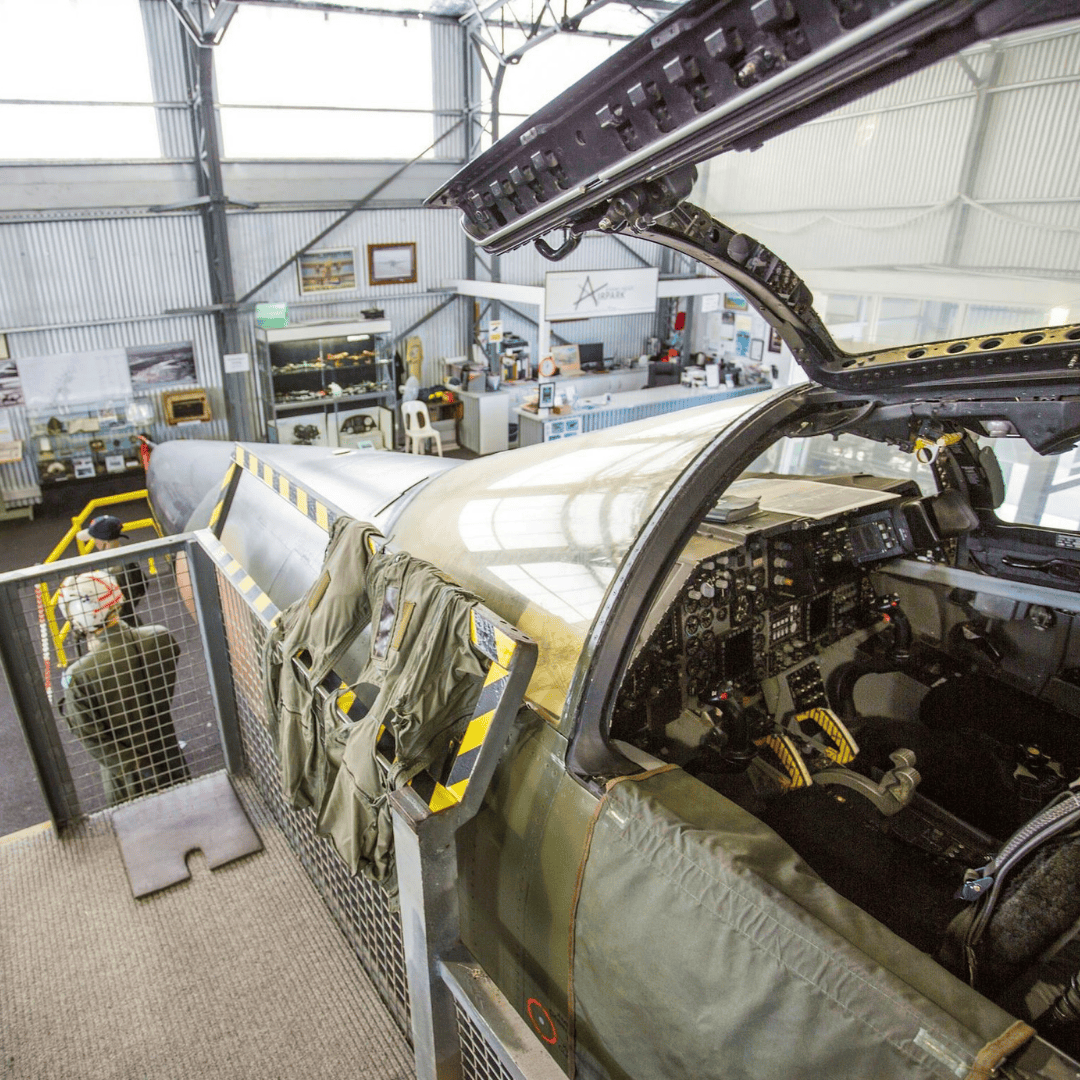
At Evans Head, around 25 minutes away, we visited the operational Evans Head Heritage
Aviation Museum. We joined one of its weekend guided tours, which do not normally
require advance booking. The volunteers took us among aircraft connected with Australia’s aviation history, including the museum’s F-111, Canberra bomber, Caribou, Kiowa helicopter
and MiG fighter. An optional guided F-111 cockpit experience is also offered, although
booking requirements and prices should be checked before travelling. The museum currently
opens on Tuesday mornings and weekends, with changes possible, so consult its official
visitor page.
For a very different outing, we drove into the Ballina–Byron hinterland to Summerland Farm
at Alstonville. This operational macadamia and avocado farm offers guided interactive farm
tours, animal encounters, seasonal activities, food, shopping and family play areas. We took
a guided farm tour and learnt how the orchards operate, then rewarded our sudden
agricultural expertise with something to eat. The farm is also a social enterprise providing
employment opportunities for people with disability, giving the visit a purpose beyond
sightseeing. It currently opens seven days, but tours and special experiences are date-
dependent and should be booked through Summerland Farm.
Other easy options include a round of social golf at Coraki Golf Club, a coastal day at Evans
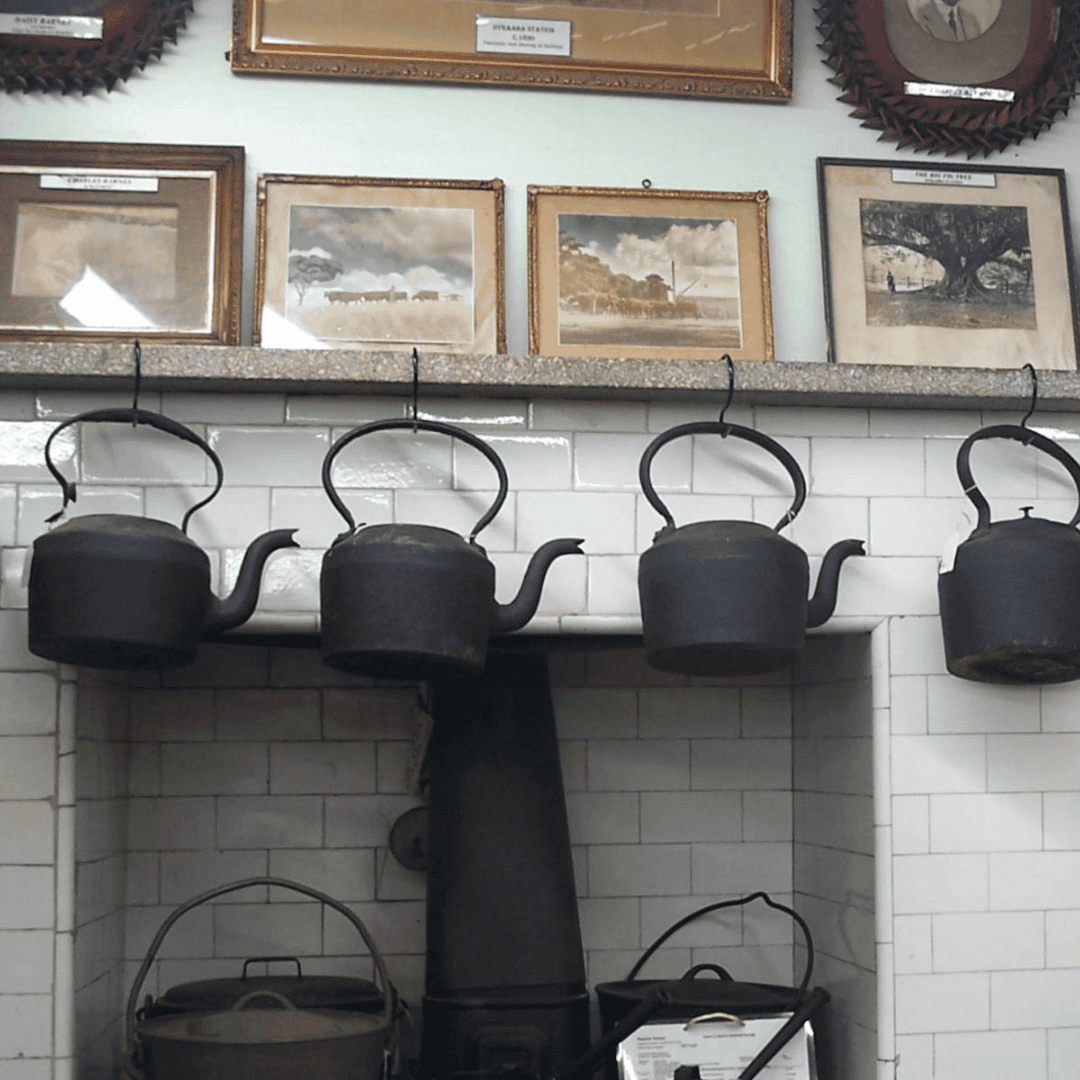
Head, a visit to the operational Casino & District Historical Society Museum, or a drive
through Woodburn and the surrounding farming country. In Casino, the museum currently
opens Wednesday to Friday, with other visits possible by appointment; its collection covers
the district’s people and working history.
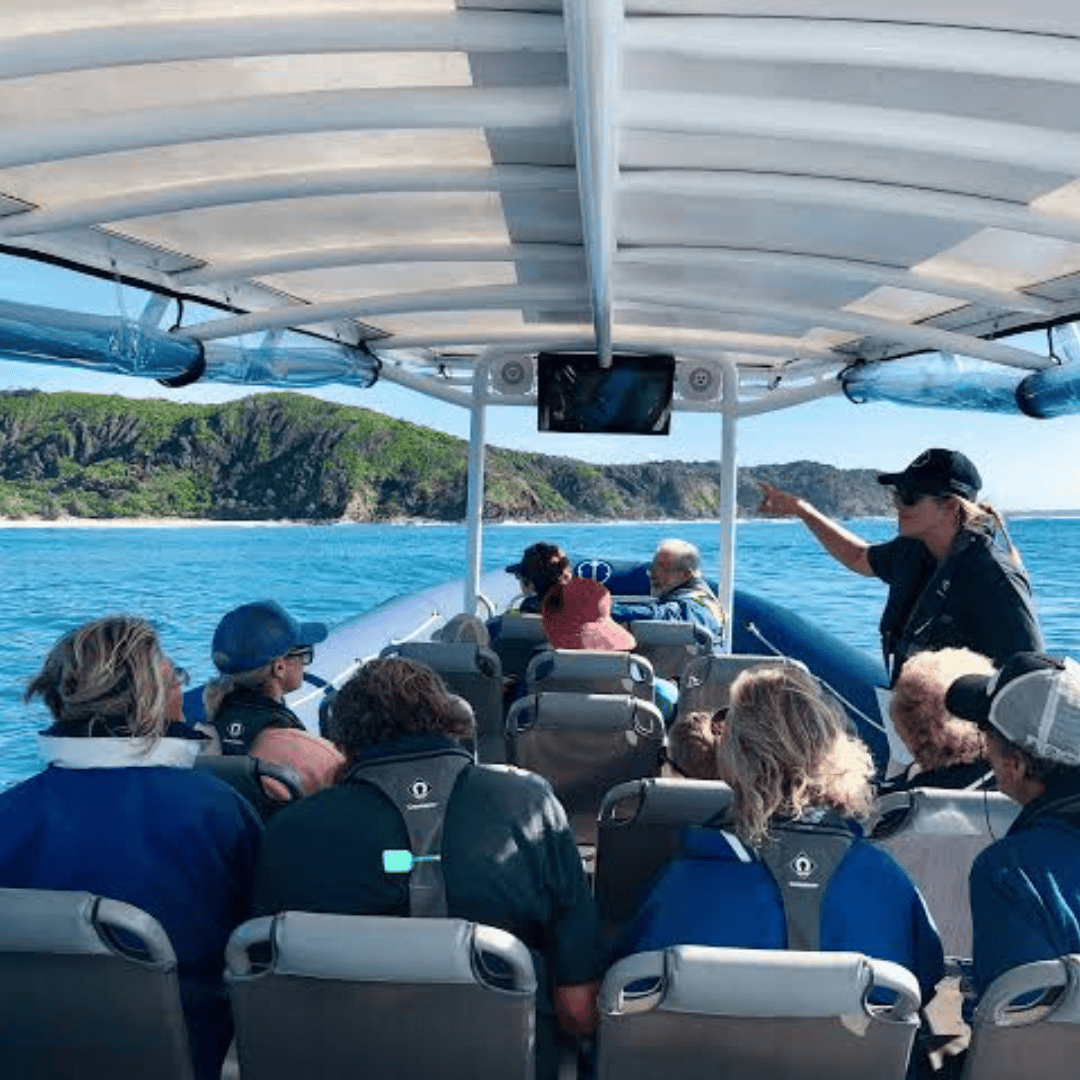
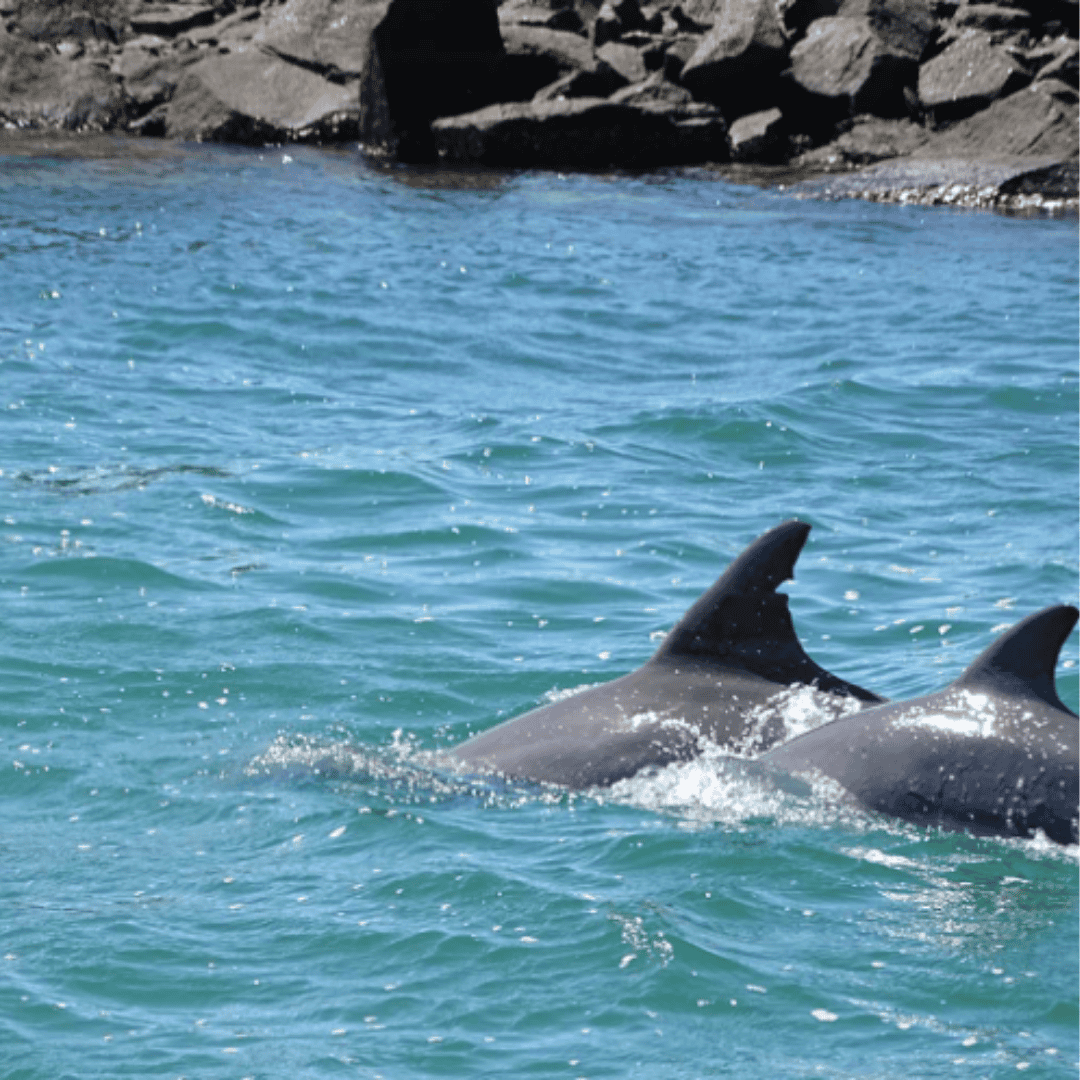
As a side note, we recommend this Must-do tour: From Ballina, we joined Out of the Blue
Adventures for its Richmond River Sunset Cruise, a relaxed marine-biologist-guided
journey through mangroves, quiet creeks and wildlife habitat around Ballina Island.
Operating seasonally from December to April, it is an easy 45-kilometre day trip from Coraki
and a cracking way to experience the same river system from a completely different
perspective.
When to Visit Coraki
For the most comfortable caravanning weather, we would favour April to June or August to
October. Autumn brings warm days without the full blast of midsummer humidity, while late
winter and spring are excellent for walking, golf, scenic drives and evenings outside.
Winter is underrated. Nights can be cool, but the days are often mild, the camping
atmosphere is quieter and a riverside chair in the winter sun is hard to beat. It is prime grey-
nomad weather: cardigan at breakfast, shirtsleeves by morning tea.
Spring brings greener scenery, active birdlife and good conditions for paddling and family
outings. Summer suits travellers who want water-based activities and coastal day trips,
although it can be hot, humid and wet. February is generally among the wetter months.
Coraki is a flood-prone river town, and that reality deserves respect rather than fine print.
Heavy or prolonged rain can affect low-lying roads and the town itself. Before travelling
during unsettled weather, check Bureau of Meteorology forecasts, Live Traffic NSW and
NSW SES advice. Never drive through floodwater, even if a local ute has just done it. The
ute may know something you don’t—or its driver may simply be a galah.
Pro travelling tips: Stock up before arriving late, as Coraki’s shops keep country-town
hours, and book riverside sites and seasonal tours ahead. Bring fishing gear, insect
repellent, sun protection and binoculars, then allow extra driving time on rural roads. Most importantly, check weather, NSW SES and Live Traffic updates after heavy rain—Coraki is
flood-prone, and driving through floodwater is never worth the risk.
Why We Would Return
Coraki does not shout for attention. It gives you a river, a useful little main street, a good
camping base and enough to do without supplying a laminated schedule every hour.
Grey nomads come for the value, peace, fishing, golf, birdlife and easy access to the wider
Richmond Valley. Families come for simple outdoor time, riverside space and manageable
day trips. Young adventurers come because they can kayak, cycle, fish, tour a working farm,
explore aviation history and still afford dinner.
We came expecting a convenient stop between the coast and Casino. We left thinking
Coraki deserved to be the destination. Absolutely loved that it was central to everything, but
a peaceful at rest base of operations when you needed it.
That is the trick of the place. At the meeting of two rivers, the roads of the Northern Rivers
also seem to meet: coast and country, history and everyday life, slow travel and genuine
adventure. Coraki will not keep you awake with nightlife. It may, however, remind you why
you bought the caravan in the first place.
To book your stay at Kui Parks Coraki Riverside Caravan Park – HERE
To find out more about Coraki in NSW – HERE
To research Holidays in Coraki and the Discover Richmond Region in NSW – HERE
To see find a Kui Parks Holiday Park that suits your next holiday – HERE