Cowell, South Australia: Oysters, Black Jade and a Cracking Coastal Escape
Article by Warren Parrot – @whatsupwithwaz
Cowell is the sort of town many travellers initially mark down as an overnight stop—and then
find themselves staying for the better part of a week.
Sitting on Franklin Harbour on the eastern side of South Australia’s Eyre Peninsula, Cowell
doesn’t rely on bright lights, fancy resorts or attractions involving long queues and overpriced
souvenir photos. Its appeal is much simpler: good fishing, fresh oysters (and I mean fresh!),
an excellent foreshore, fascinating local history, friendly people and enough unusual things
to see and do to keep us happily occupied.
For Grey Nomads, the relaxed pace, fishing, heritage and easy access to town are the big
drawcards. Families have the brilliant free waterpark and foreshore precinct, while younger
adventurers can add boating, kayaking, sandboarding, beach driving and a genuine off-
road experience to the itinerary.
In other words, Cowell may be small, but it certainly isn’t sitting around twiddling its thumbs.
The Road to Cowell
Cowell is approximately 490 kilometres from Adelaide by road. The most practical towing
route takes you north through Port Wakefield and Port Augusta, then down the Lincoln
Highway through Whyalla. Allow around five-and-a-half hours of straight driving, but closer to
six or seven with a caravan, fuel stops, lunch and the compulsory roadside argument about
whose turn it was to buy the coffee. It is a long drive so if you are not up for it perhaps pick a
mid-way point to stop over for the night.
Whyalla is about 107 kilometres north of Cowell—roughly one hour and ten minutes by
car—while Arno Bay is around 45 kilometres south, or about 30 minutes away. Port Lincoln
is approximately 165 kilometres farther south.
The journey improves once the traffic thins and South Australia begins doing its “big sky and
enormous paddock” routine. Beyond Whyalla, the Lincoln Highway carries you through
saltbush country, grain-growing districts and occasional glimpses of Spencer Gulf. It feels
properly regional without becoming remote enough to make you nervous about every
movement of the fuel gauge.
Travellers should be aware that the Wallaroo–Lucky Bay vehicle ferry at the time of writing
this is currently suspended. Do not build your itinerary around the crossing unless the
operator confirms services have resumed.
A Town Built Beside a Natural Harbour
Cowell stands on the traditional Country of the Barngarla people, whose connection with the
eastern Eyre Peninsula stretches back thousands of years.
The first recorded European sighting of Franklin Harbour came in 1802 when Matthew
Flinders, aboard the Investigator, noticed what appeared to be a large lagoon. Governor
George Gawler named it Franklin Harbour in 1840 after Sir John Franklin, the explorer and
former lieutenant-governor of Van Diemen’s Land.
The district was first settled by Europeans during the 1850s. The growing settlement was
initially known as Lake Flinders before Governor William Jervois renamed it Cowell in 1880,
honouring British Army engineer Sir John Clayton Cowell.
Wheat and sheep shaped the early economy, with the jetty—first built in 1882—turning
Cowell into an important shipping point. Fishing and aquaculture later became major local
industries, particularly the farming of Pacific oysters in Franklin Harbour’s sheltered waters.
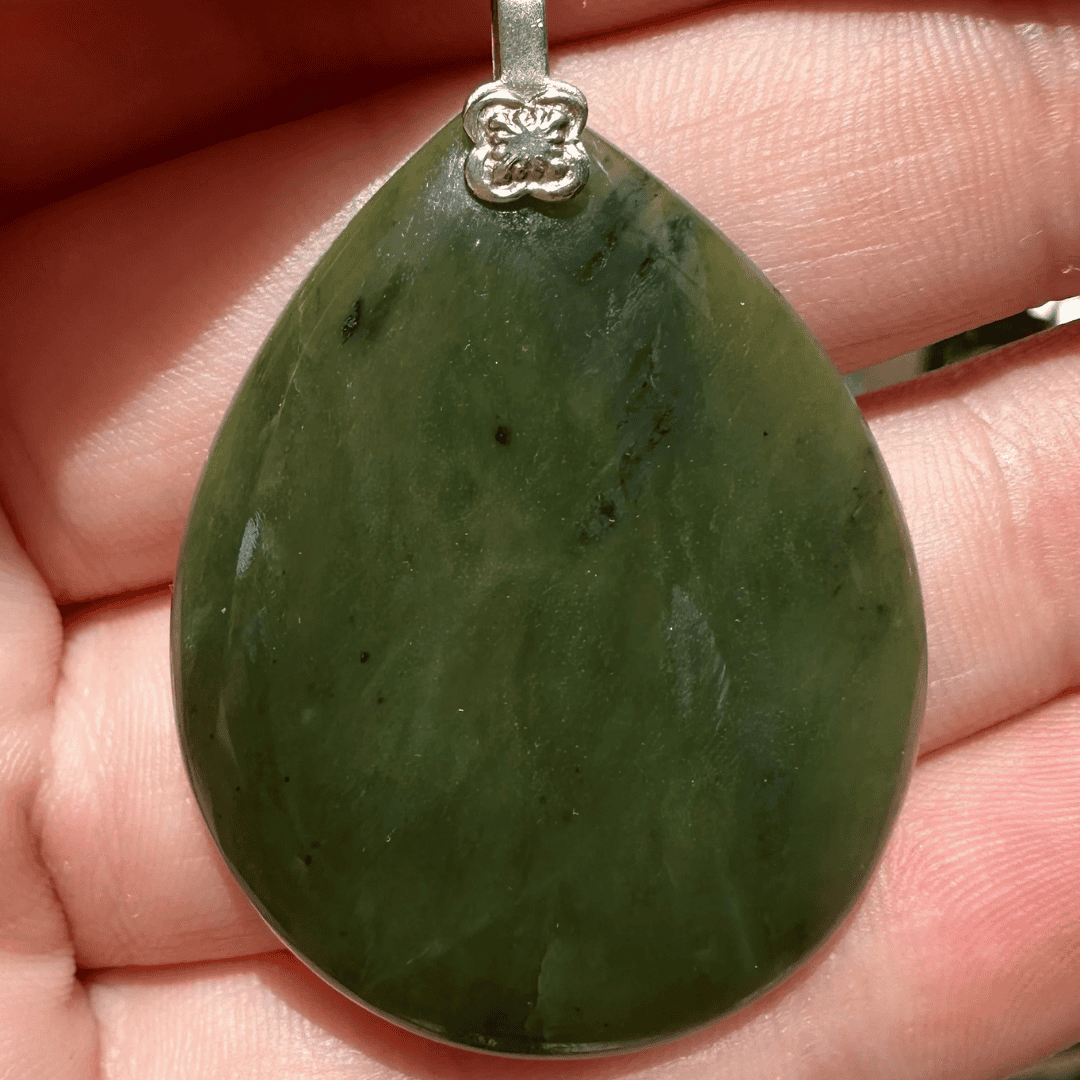
Then there is the jade. Nephrite jade was discovered in the nearby Minbrie Ranges by local
farmer Harry Schiller in 1965. More than 100 outcrops were subsequently identified within a
relatively compact area, creating what is now known as the Cowell Jade Province—one of
the world’s largest known deposits of nephrite jade.
That is quite an achievement for a town where finding a parking space is rarely considered
an extreme sport.
What is Nephrite Jade?
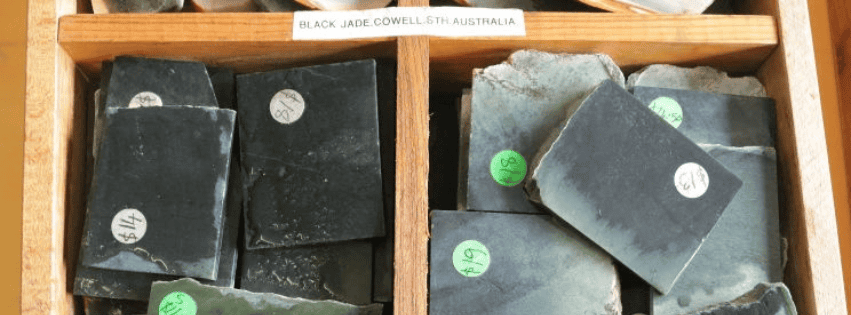
For those that don’t know (or didn’t like me!) nephrite jade is an exceptionally tough natural
stone, usually found in shades ranging from creamy green to deep green and rare black. For
thousands of years, it has been shaped into jewellery, carvings, ornaments, tools and
ceremonial objects. Cowell is especially famous for its high-quality black nephrite, which can
be polished to a beautifully smooth, glossy finish.
First Stop: Cowell’s Main Street
Before heading towards the coast, we spent some time exploring Main Street. It remains the
practical heart of town, with cafés, pubs, shops, groceries, fuel and everyday services within
an easy distance of one another.
Our first call was the Cowell Visitor Information Centre, located inside the Franklin Harbour
Institute at 8 Main Street. Along with maps and local advice, it has a jade display, locally
made craft and regional products. Current advertised opening hours are 10am–3pm from
Tuesday to Sunday, although it is always sensible to check before visiting.
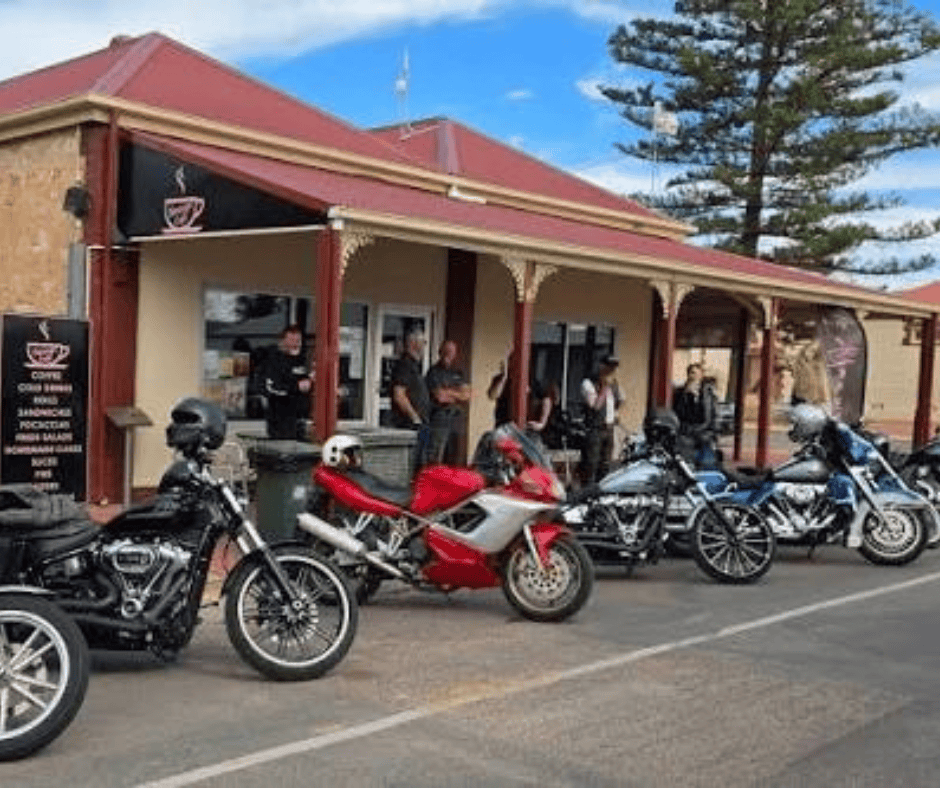
For coffee and something quick to eat, we called into Sassys Cafe, one of the town’s
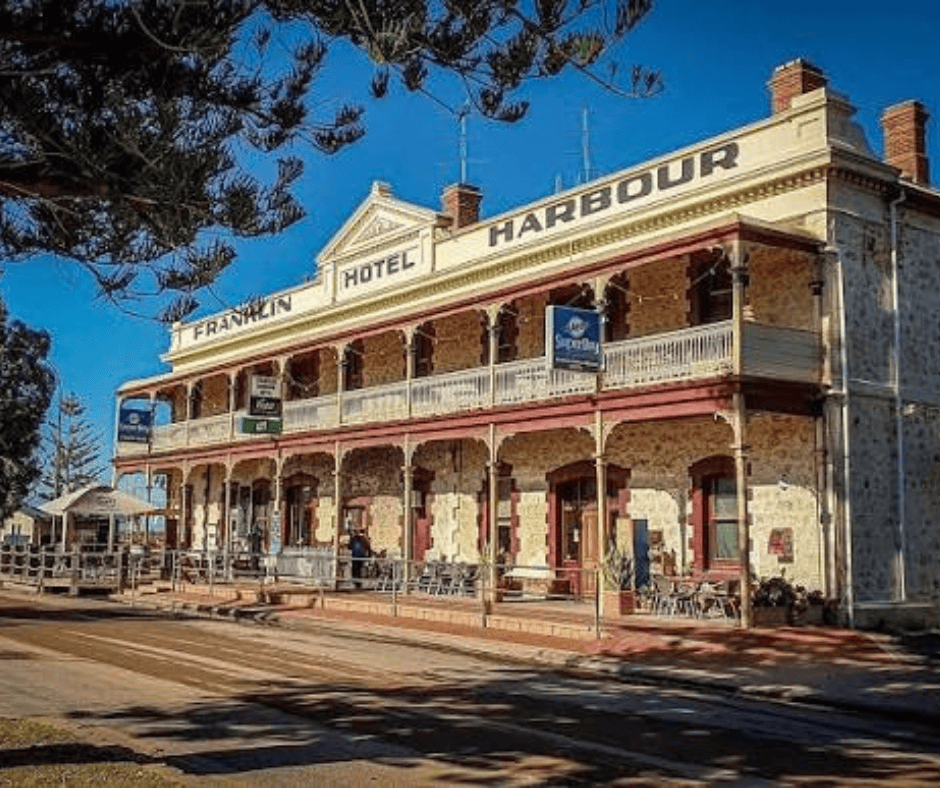
currently operating cafés. If you fancy a traditional country pub meal and a cold drink, the
heritage-listed Franklin Harbour Hotel Bistro remains open on Main Street. Its position
near the foreshore makes it an easy dinner option after a day spent exploring.
We also visited the Franklin Harbour Historical Museum, housed in the former post and
telegraph office and postmaster’s residence. Displays cover farming, shipping, domestic life
and Cowell’s development around the harbour. The museum is run by volunteers, so
opening times can vary—check with the Visitor Information Centre rather than arriving at the
door and attempting to peer meaningfully through the window.
A self-guided Cowell Township Historical Walk ties much of the story together. The flat four-
kilometre circuit generally takes about 90 minutes and passes significant buildings, the
museum, hotel and jetty.
Oysters, Jade and a Camel on a Silo
Cowell’s two great natural calling cards are oysters and jade—and naturally, we investigated
both.
Fresh Franklin Harbour oysters are available through local outlets and oyster sheds along
Oyster Drive. These plump little beauties are grown in the protected harbour and can be
enjoyed throughout the year. Even people who usually insist they “don’t do oysters” may be
tempted. A squeeze of lemon helps; so does not staring at them for too long before
swallowing.
To see what all the jade fuss was about, we visited the showroom at Cowell Jade Motel and
Cowell Jade & Gemstones on the Lincoln Highway. The business remains active,
displaying jewellery, carvings and collector pieces made from locally sourced green and rare
black nephrite. It is one of the few souvenir stops where you can take home something
genuinely connected to the ground beneath the region.
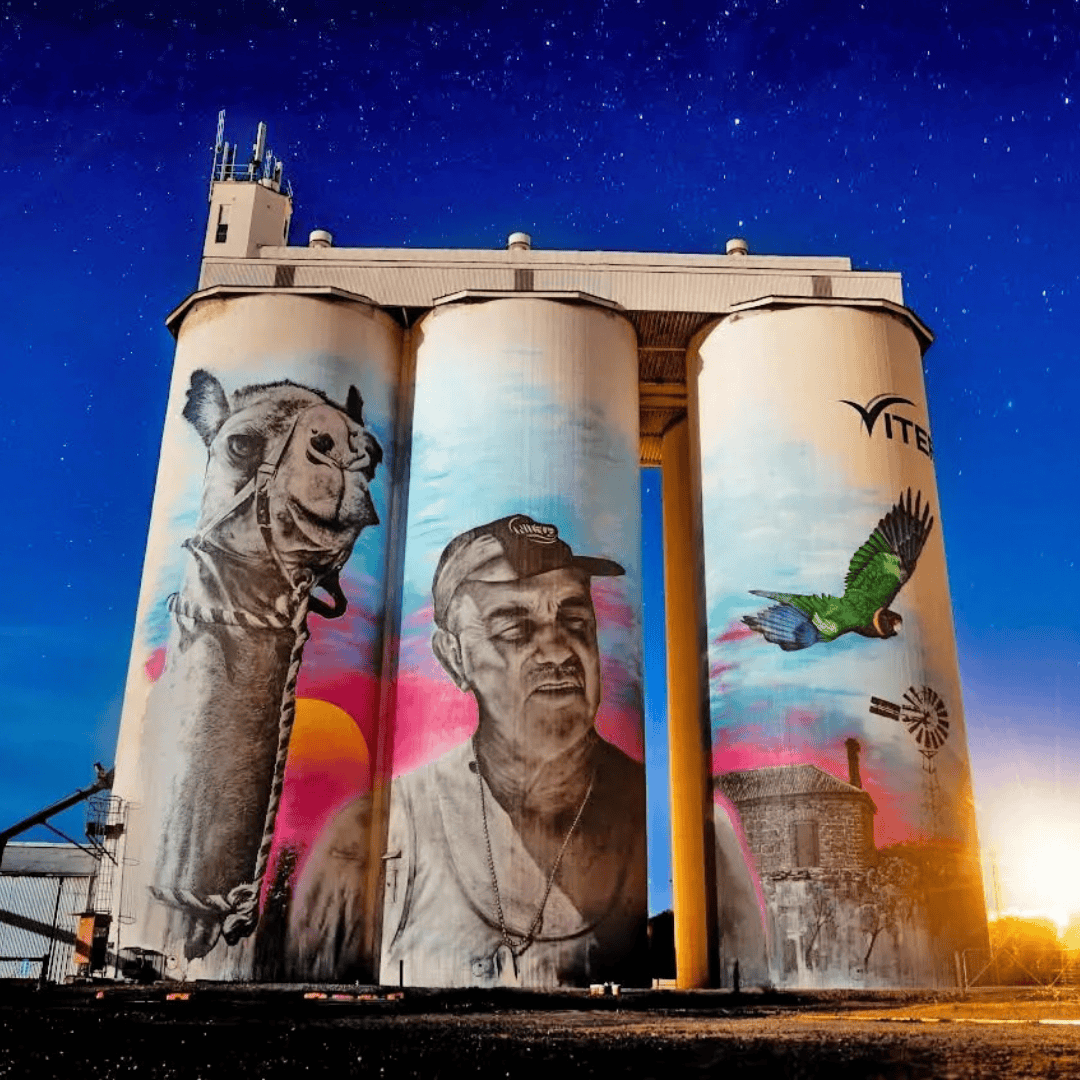
Across the highway, Cowell’s towering silo mural depicts local identity Lionel Deer and his
camel, Diamantina. Completed in 2019 by artist Austin “NITSUA” Moncrieff with assistance
from Michael “Schmick” Motteram-Smith, the mural represents the strength and resilience of
the local community. It is big, bold and considerably easier to photograph than a real camel,
which generally has opinions of its own.
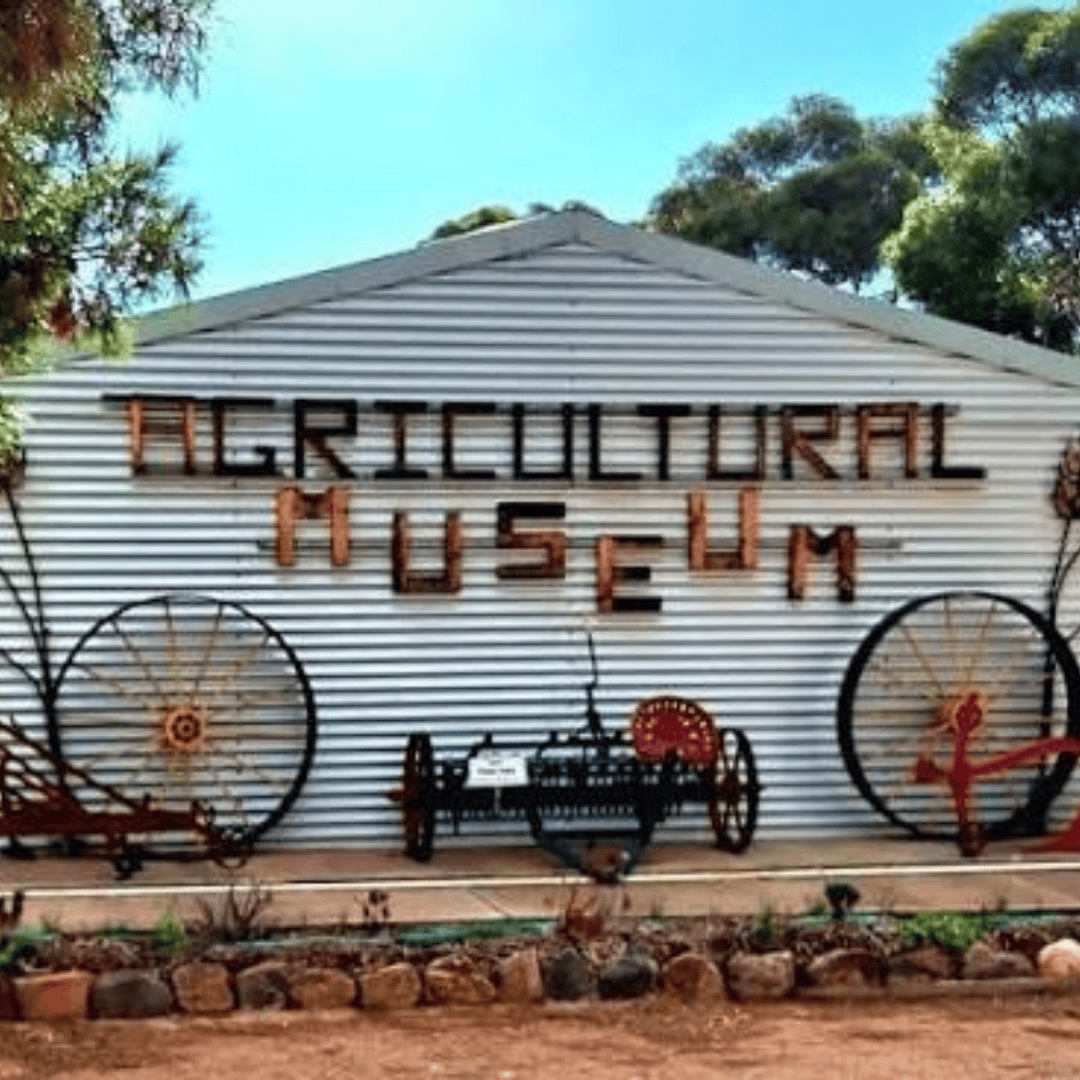
Nearby, the Cowell Agriculture Museum contains an extraordinary collection of old farming
machinery, including the enormous Ruston Proctor steam tractor. The volunteer-run museum
was still active in 2026, although access can depend on volunteer availability, so once again
it pays to ask locally before visiting.
One of South Australia’s Best Free Foreshore Precincts
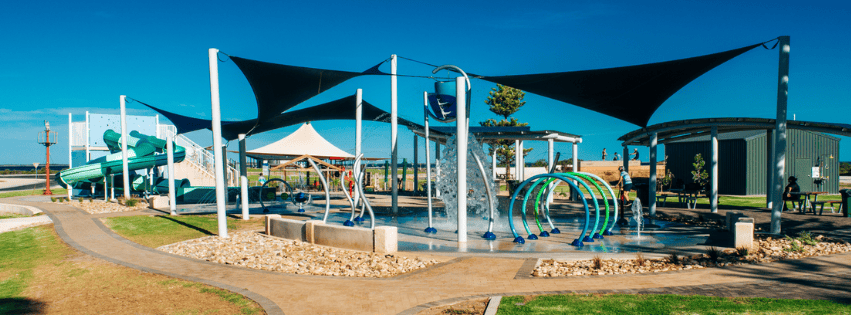
Cowell’s redeveloped foreshore has changed the town from a quiet fishing stop into a
genuine family destination.
The free Cowell Water Park includes two waterslides, a splash zone and tipping bucket.
Around it are a jumping pillow, playground, skate park, full-sized basketball court, shaded
picnic areas, lawns, barbecues and public toilets.
Children can burn off several days’ worth of stored energy while parents settle under some
shade and pretend they are supervising every second. Even outside summer, the
playground, courts, skate park, lawns and jetty keep the precinct useful.
We followed the mangrove boardwalk, wandered around the marina and spent time on the
jetty watching locals fish. Franklin Harbour’s sheltered water suits boating, kayaking,
crabbing and fishing, while the surrounding mangroves attract plenty of birdlife.
For an easy lunch near the water, The Fish Box Kiosk continues to operate near the
foreshore and specialises in seafood and takeaway meals. Fresh fish eaten beside the
harbour is one of those simple road-trip pleasures that rarely needs improving.
Our Base at Harbour View Caravan Park
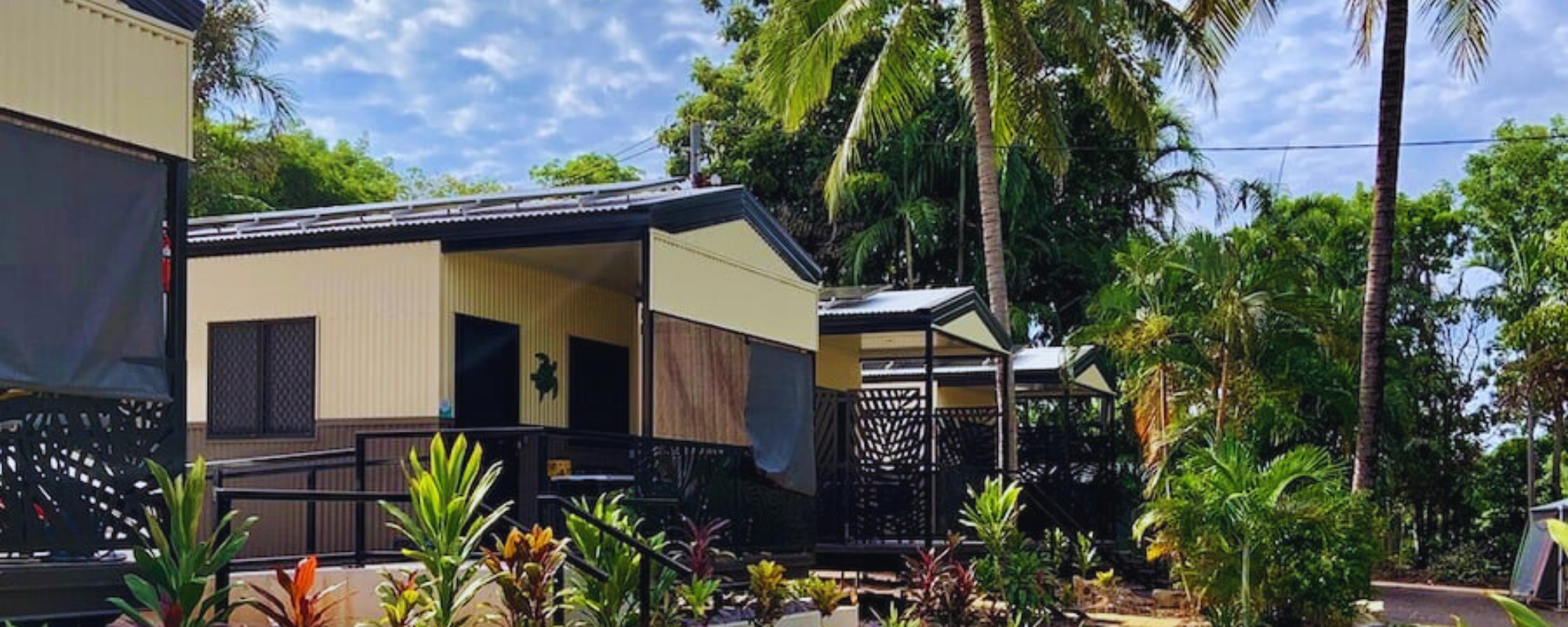
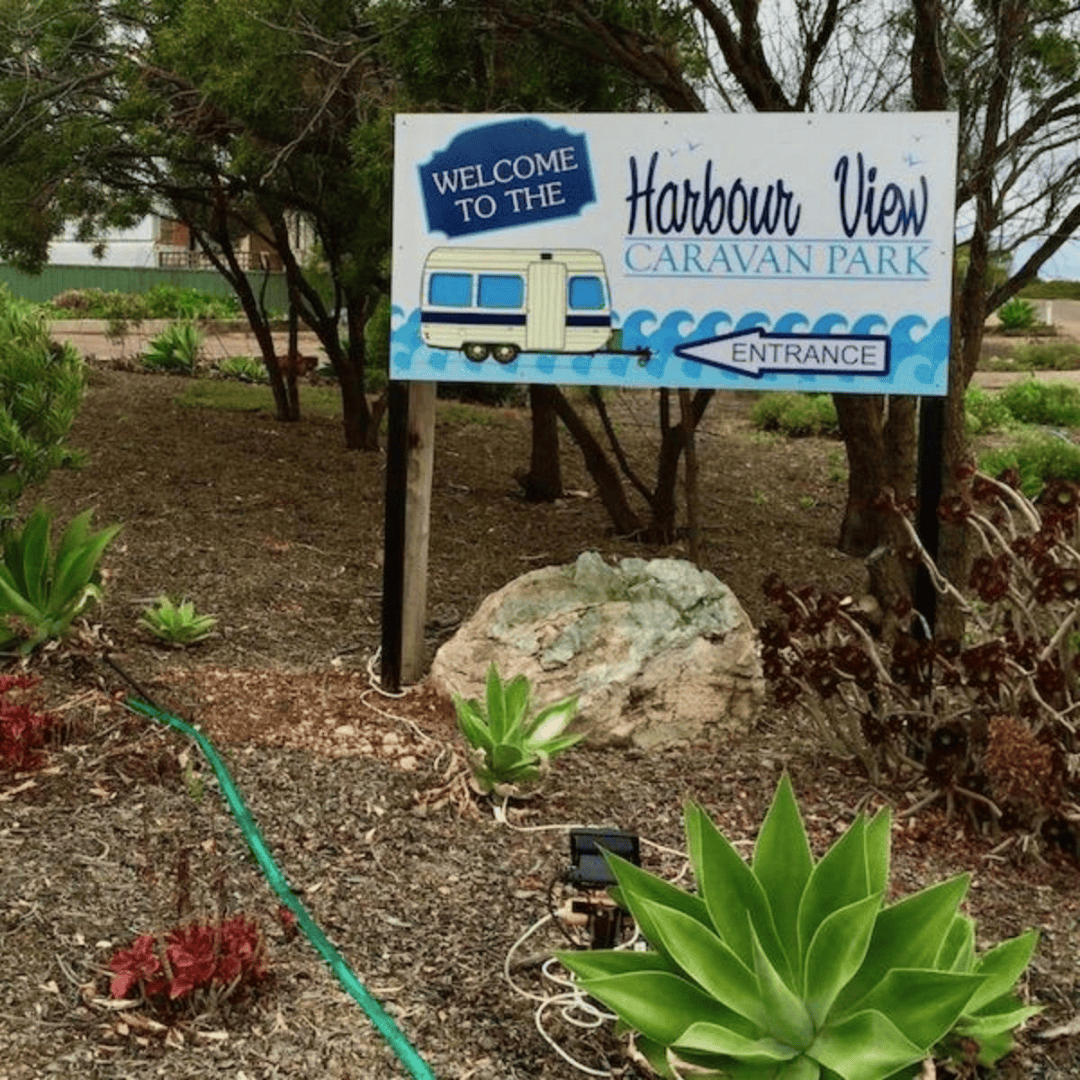
We based ourselves at Harbour View Caravan Park, part of the Kui Parks network and
located in a quiet bush setting overlooking Franklin Harbour.
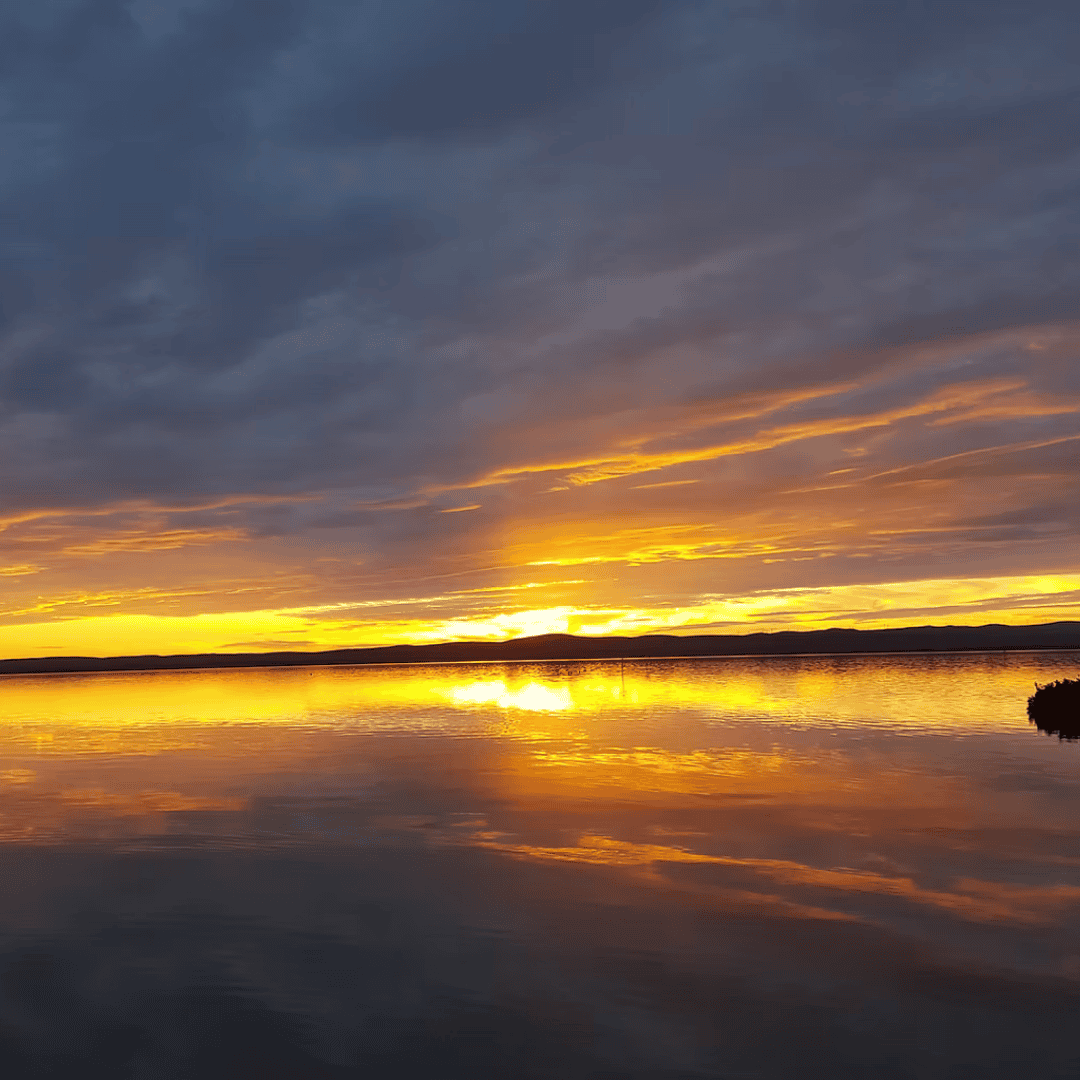
The park is only a few minutes from Cowell’s town centre, but it feels pleasantly removed
from the action. At night, the lights of Cowell reflect across the water, while the open setting
delivers some excellent sunsets.
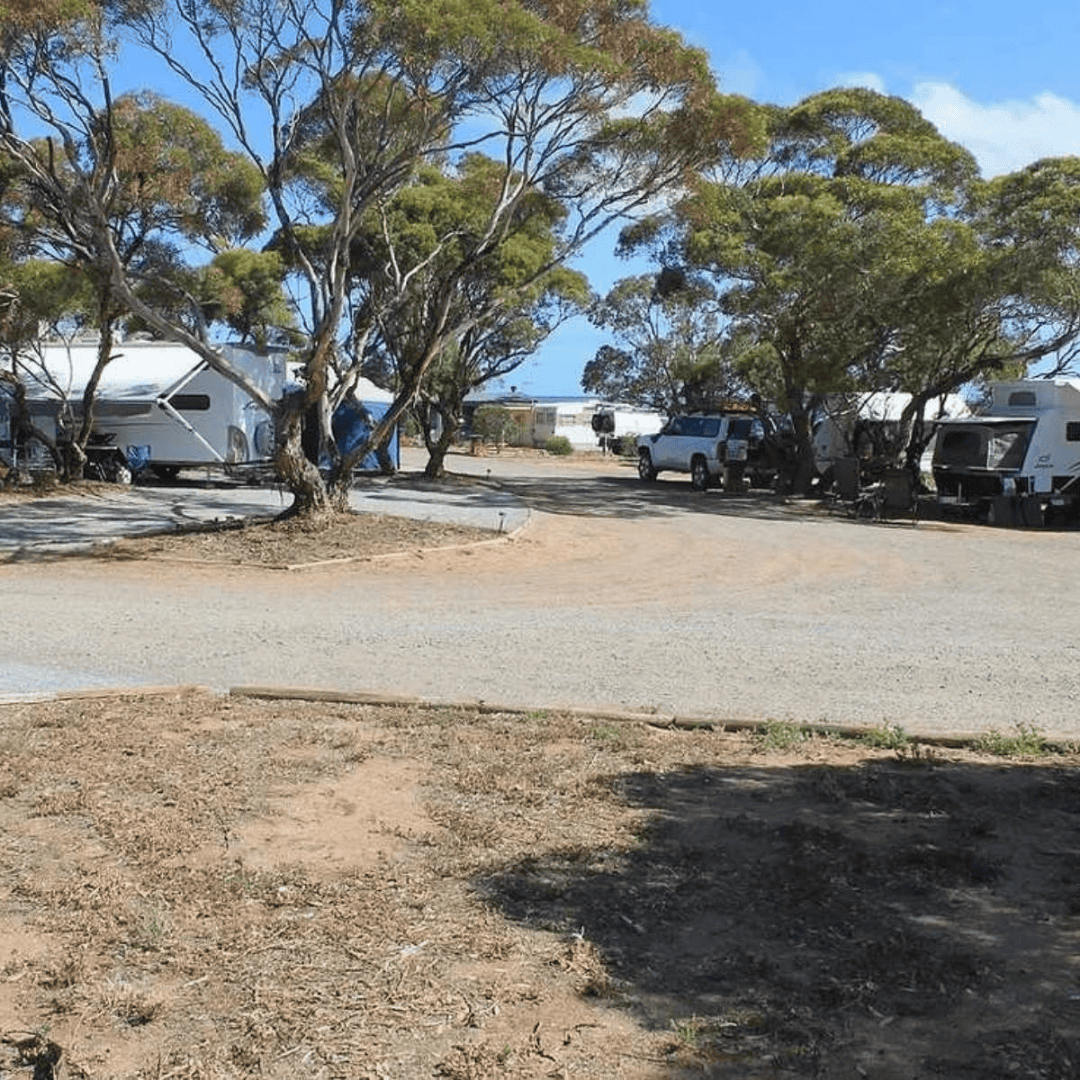
For caravanners and motorhome travellers, the park offers spacious powered and
unpowered sites, including convenient drive-through options and sites suitable for larger rigs.
Pet-friendly sites are available, which saves the family dog from lodging a formal complaint
about being left behind.
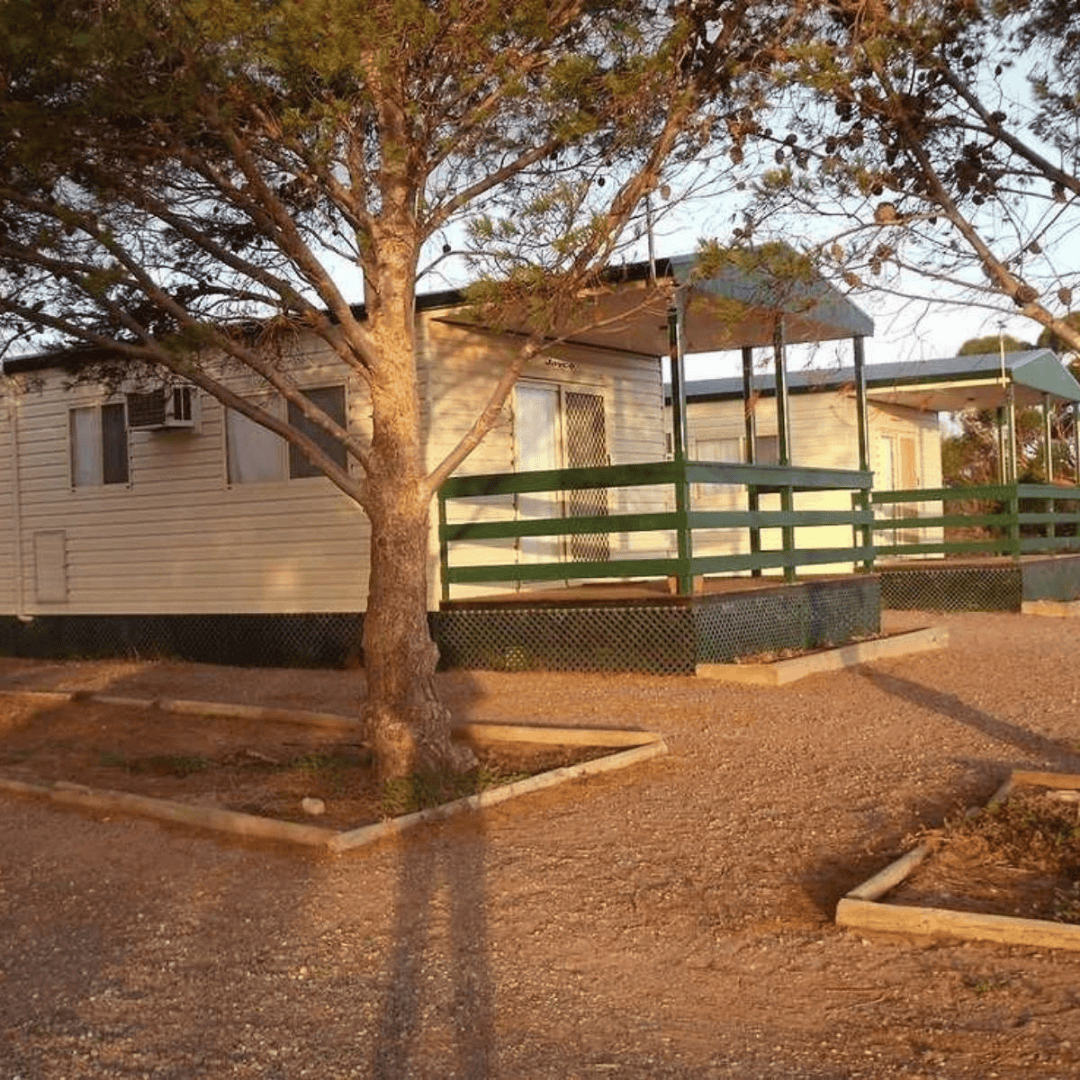
Cabin choices range from a simple non-ensuite cabin sleeping up to three people to ensuite
and two-bedroom cabins sleeping as many as six. Air-conditioning is available in the cabins,
and pet-friendly cabin options are also advertised.
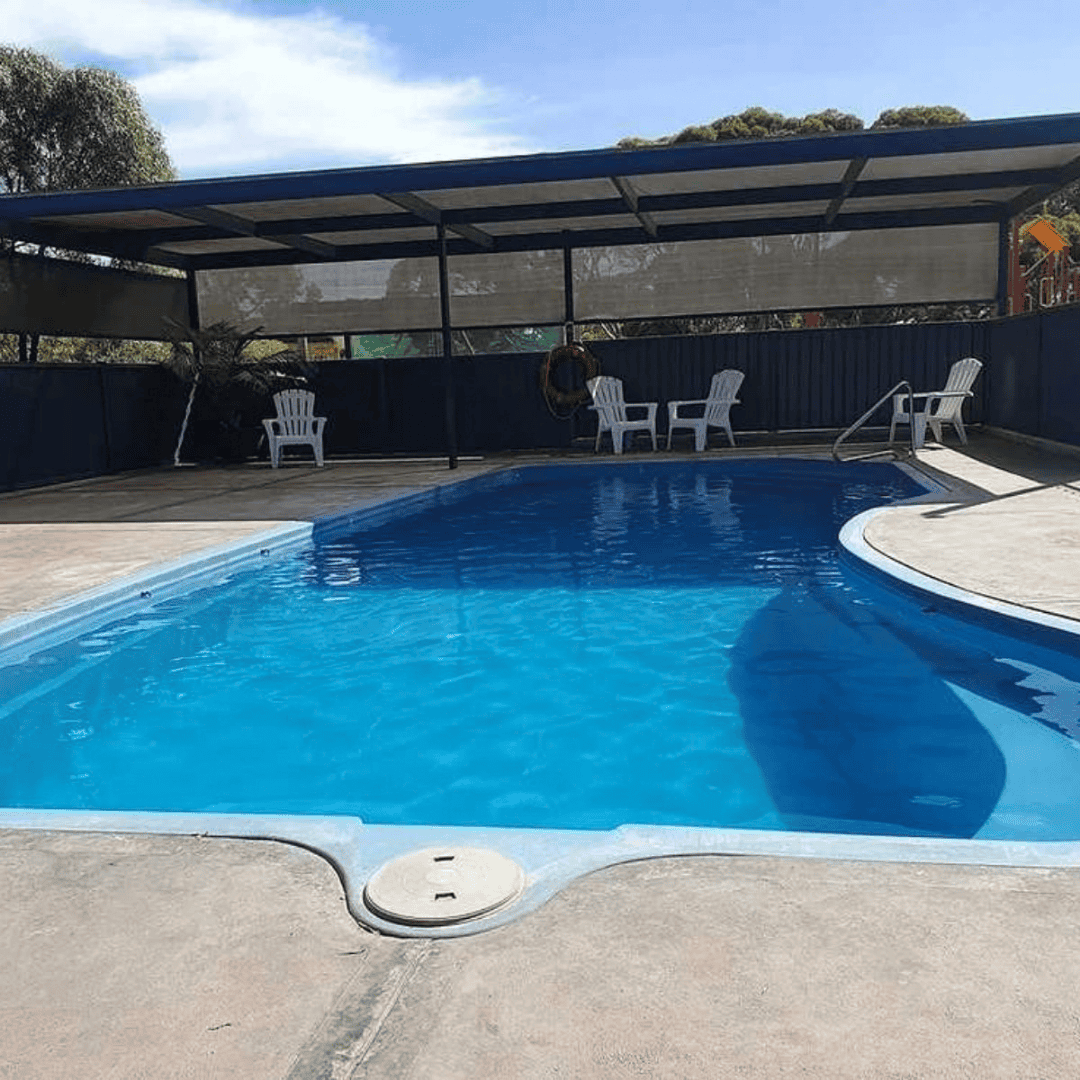
Facilities include a weatherproof, fully equipped camp kitchen, barbecues, laundry,
swimming pool, small playground, LPG, dump point and tourist information. The pool is a
winner for families and anyone arriving after a long, warm day on the road.
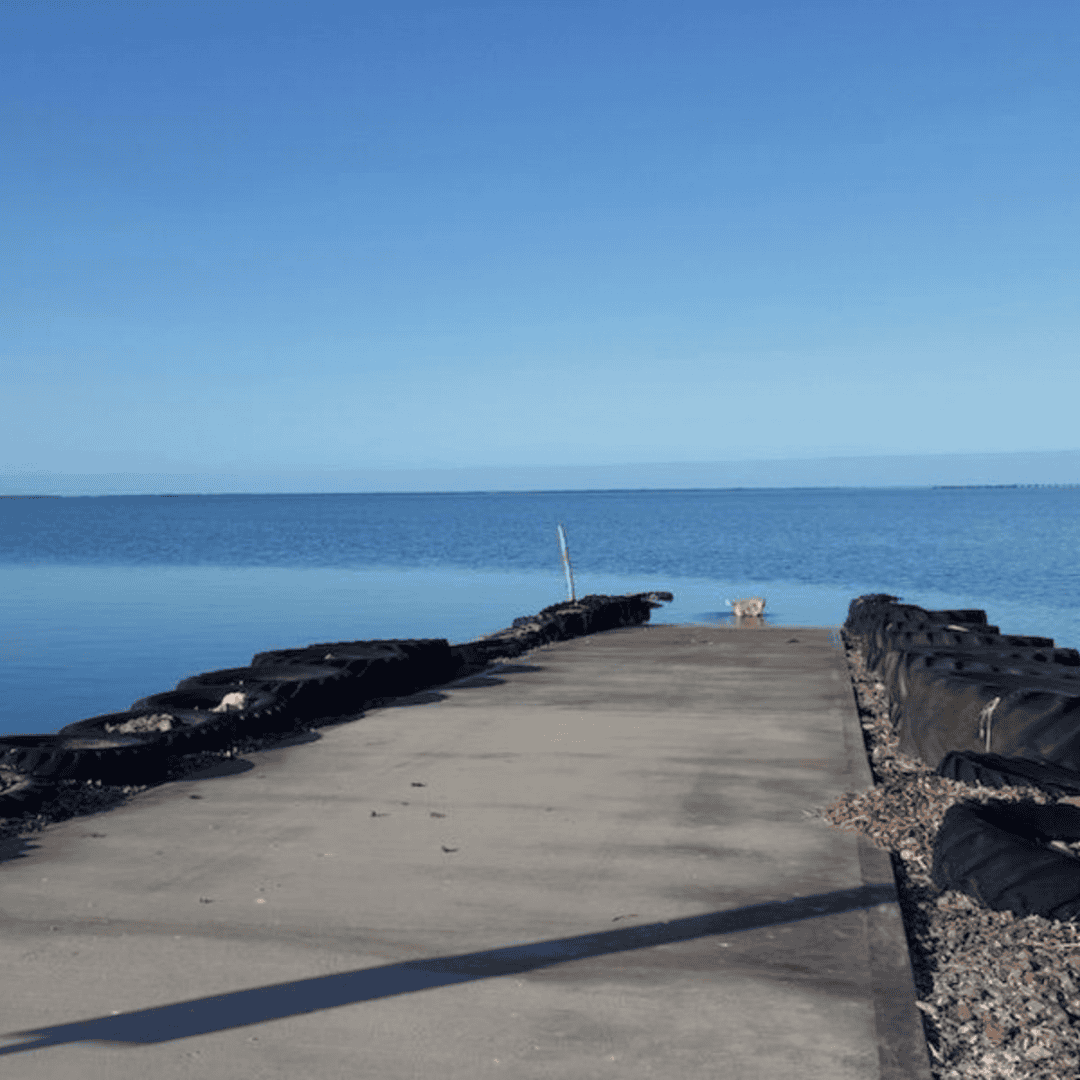
What particularly sets Harbour View apart is its setup for anglers. There is an undercover,
illuminated fish-cleaning area, while a boat ramp sits just metres from the entrance. You can
launch, fish, return and deal with the catch without dragging half of Franklin Harbour through
your caravan. That alone may save a marriage.
The combination of generous sites, a natural setting and harbour views makes this park especially attractive to Grey Nomads and longer-stay travellers. The current (at time of writing this) “Stay 7, Pay 6” offer provides another good reason not to rush away.
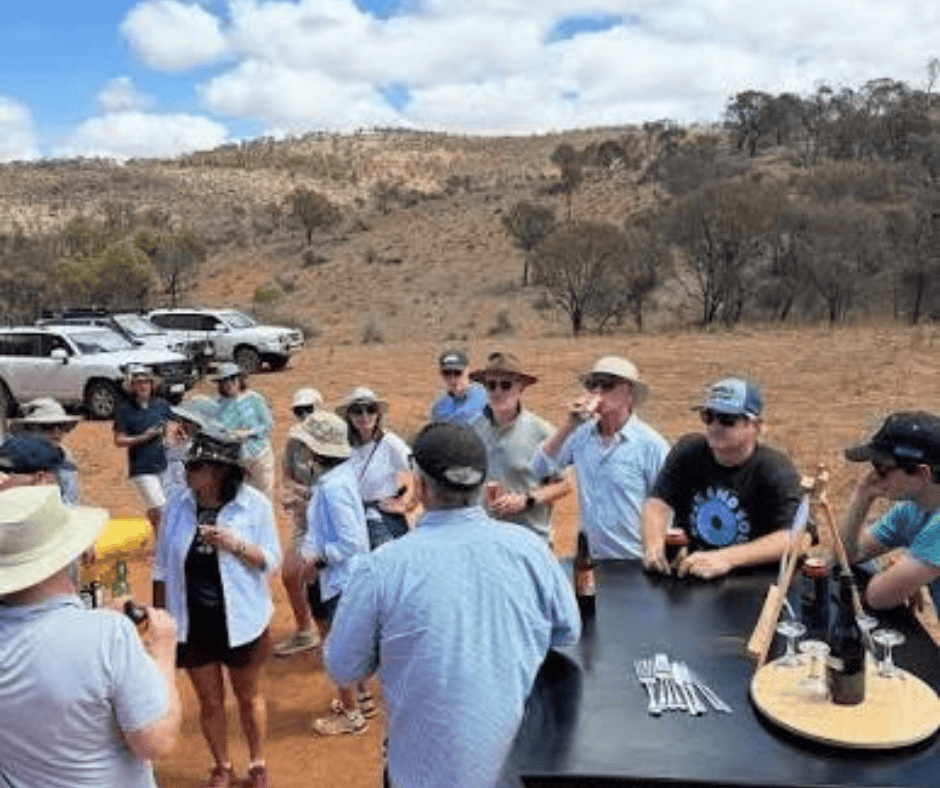
Our Hidden Gem: Middle Camp Self 4WD Track
Our pick for Cowell’s lesser-known experience is the Middle Camp Self 4WD Track,
approximately eight kilometres from town.
This privately operated, self-guided 4WD experience winds through rolling hills and bushland
overlooking Franklin Harbour. Along the way are marked walks, picnic and barbecue
shelters, historic Middle Camp ruins and elevated lookouts offering broad views over the
harbour and surrounding farming country.
The full experience can take up to five hours, and visitors are advised to begin by 11am and
leave the property by 5pm. It is open throughout the week, but bookings and current track
conditions should be confirmed directly with the operator.
This is not simply a rough road with someone charging admission at the gate. It combines
off-road driving, local history, walking and scenery in a way that feels distinctly Cowell.
Young adventurers will love the driving, families can turn it into a full-day outing, and active
older travellers get access to parts of the landscape most visitors never see.
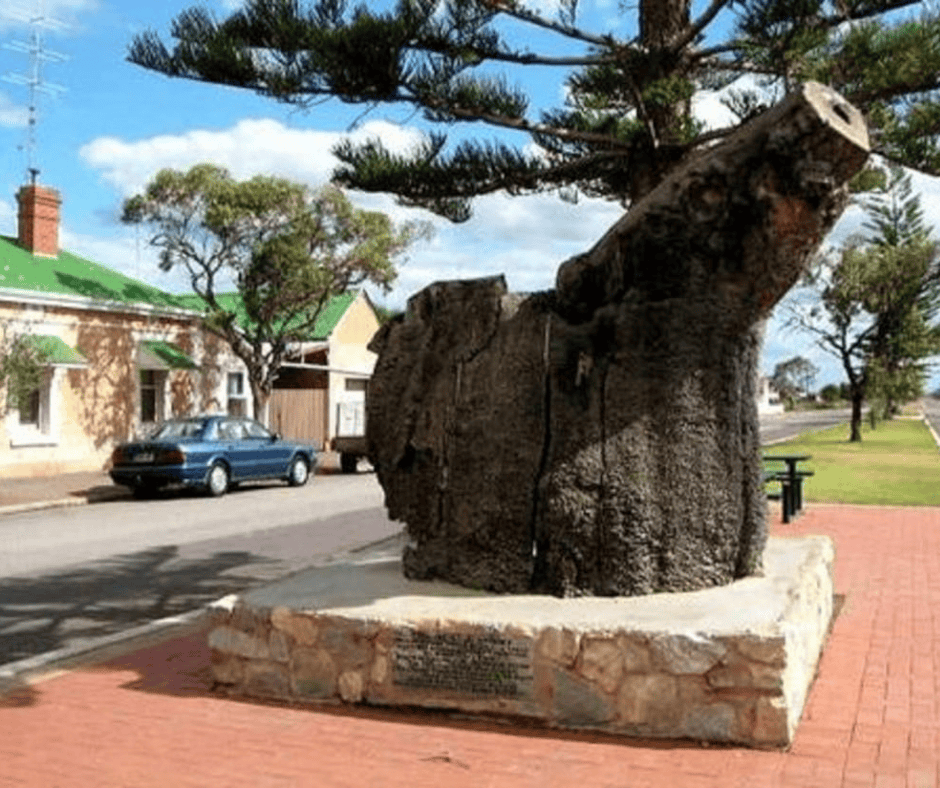
For something much smaller—and significantly sillier—find Cowell’s Black Stump between
the two hotels in Main Street. It began as a New Year’s prank in 1972, allowing both pubs to
claim the other was “beyond the black stump”. It is wonderfully Australian: historically
questionable, completely unnecessary and therefore absolutely worth seeing.
When to Visit Cowell
March to May and September to November are our preferred periods. Autumn generally
brings comfortable days for fishing, walking and touring, while spring offers mild conditions
and greener surrounding country.
Summer is best for families wanting full use of the waterpark, swimming and long evenings
outside, although hot days and school-holiday demand make early bookings wise.
Winter should not be dismissed. The mornings are cooler and some volunteer attractions
operate reduced hours, but the town is quieter, fishing continues and caravan sites are
easier to secure. It is also a good season for a pub meal, a heritage wander and an evening
in the camp kitchen without feeling like someone has left the oven door open across the
entire Eyre Peninsula.
Why Cowell Deserves More Than One Night
Cowell works because it offers different holidays to different travellers without losing its
small-town character.
Grey Nomads get history, fishing, easy touring and a comfortable harbour-side base.
Families receive one of regional South Australia’s best free recreational precincts. Young
adventurers can tackle a 4WD track, launch a kayak, explore coastal dunes or chase their
next fishing story.
Most importantly, Cowell reminds us why road travel remains so rewarding. It is not simply
somewhere between Whyalla and Port Lincoln. It is a destination with oysters in the water,
jade in the hills, a camel painted on a silo and enough personality to turn an intended
overnight stop into a proper Eyre Peninsula holiday.
To find out more about Cowell on the Eyre Peninsula in South Australia – HERE
To book your stay at Kui Parks Harbour View Caravan Park – HERE
To see find a Kui Parks Holiday Park that suits your next holiday – HERE