Kingston-on-Murray: The Riverland Stop That Deserves More Than One Night
Article by Warren Parrot – @whatsupwithwaz
Kingston-on-Murray is the sort of place you could easily miss if you kept your eyes fixed on
the Sturt Highway and your right foot planted. That would be a shame, because just two
kilometres off the highway is a quiet pocket of the Riverland where the Murray slows down,
the birdlife takes over and “doing very little” becomes a perfectly respectable holiday activity.
This is Kingston-on-Murray, not Kingston SE near the coast. The “on Murray” bit is important
unless you fancy arriving around 400 kilometres from where you intended—which is one way
to start a family argument before the caravan legs have even come down.
We based ourselves at Kingston-on-Murray Caravan Park, part of the Kui Parks network,
and quickly discovered that this little river community makes an excellent road-trip base. It
can work as an overnight stop, but if you stay only one night, you will barely have time to
unhitch before missing most of what makes the place special.
Getting to Kingston-on-Murray
Kingston-on-Murray sits in South Australia’s Riverland, approximately 238 kilometres north-
east of Adelaide. Allow around two-and-a-half to three hours from the Adelaide CBD,
depending on traffic, roadworks and how long you spend debating whether that bakery stop
was really necessary. It was. They always are.
Nearby driving distances are approximately:
- Barmera: 13 kilometres or 10 minutes
- Berri: 27 kilometres or 20–25 minutes
- Waikerie: 35 kilometres or about 25 minutes
- Loxton: 40 kilometres or around 30 minutes
- Renmark: 43 kilometres or about 30–35 minutes
- Mildura: 184 kilometres or just over two hours
- Melbourne: approximately 695 kilometres or around eight hours without lengthy stops
For travellers driving from Melbourne towards Adelaide through Mildura and the Riverland,
Kingston-on-Murray makes a very sensible break in the journey. It is almost midway between
Mildura and Adelaide and far more appealing than eating another service-station sandwich
while sitting beside a fuel bowser.
It also works well for people travelling between Sydney, Mildura and Adelaide as part of a
longer touring itinerary. Our advice is to resist treating it as a purely practical overnight halt.
Build in at least three nights and let the Murray become part of the holiday.
A Small Town With a Long River Story
Long before roads, bridges and vineyards, the Murray River—Murrundi—supported
Aboriginal communities whose cultural and practical relationship with its waters stretches
back thousands of years.
European settlement in the Kingston-on-Murray district developed during the 1890s as part
of South Australia’s village settlement movement. The government encouraged communities
to establish agricultural settlements along the river, using irrigation to turn dry country into
productive land.
The town was surveyed in 1915 and originally proclaimed as Thurk in 1918, a name
connected to nearby Thurk Homestead. It became Kingston O.M. in 1940, taking its name
from the Kingston Village Settlement, which had honoured South Australian premier Charles
Kingston. The present name, Kingston-on-Murray, was formally adopted later to distinguish it
from Kingston SE.
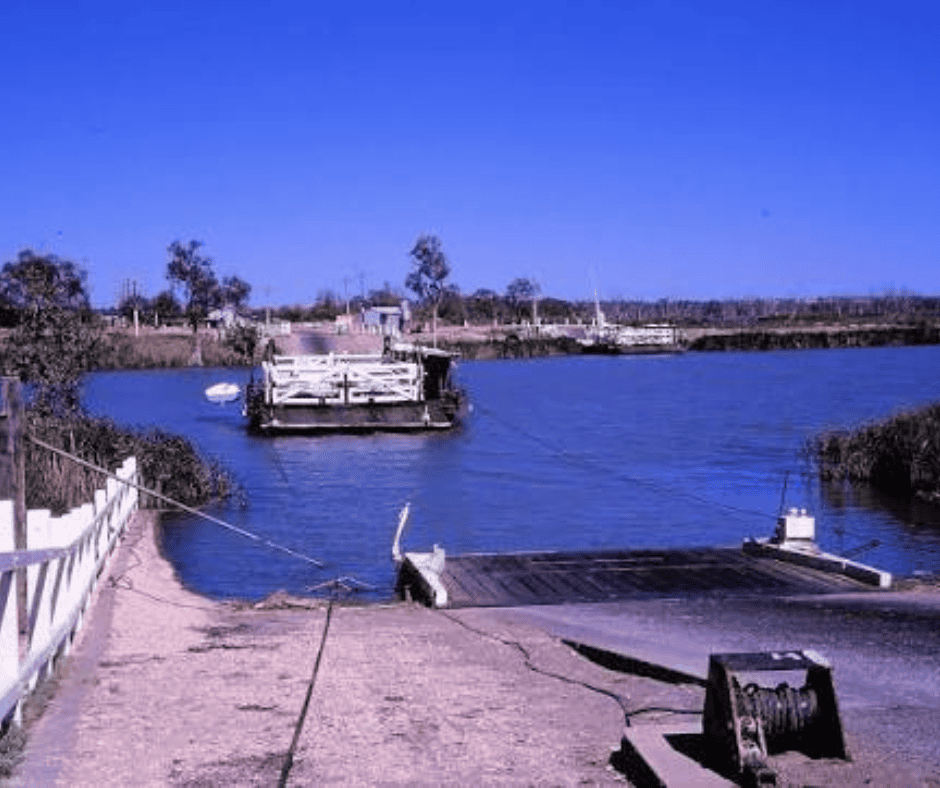
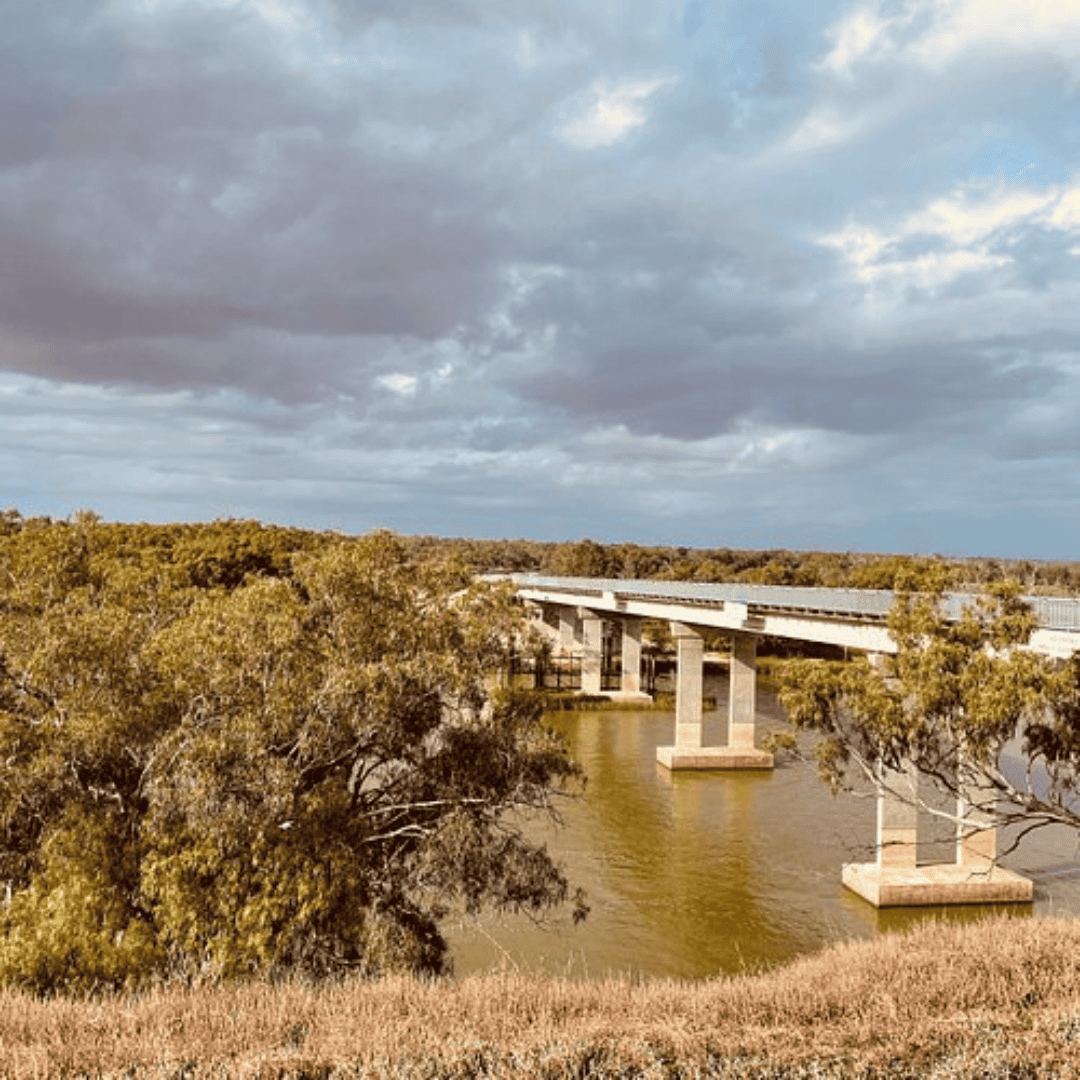
Before the current bridge opened in 1973, vehicles crossed the Murray here using cable
ferries. Today, the Kingston-on-Murray Bridge Lookout and Sturt Memorial provides views
across the bridge, Loch Luna and Wachtel’s Lagoon. It also marks the area where Captain
Charles Sturt and his crew rowed past during their 1830 exploration of the river.
The surrounding Riverland is now one of Australia’s great food-producing regions, known for
citrus, grapes, almonds, stone fruit, wine and other irrigated crops. It is also known for
houseboats, fishing, wetlands, water sports and those enormous Riverland skies that remind
city dwellers what stars actually look like.
What the Town Is Like Today
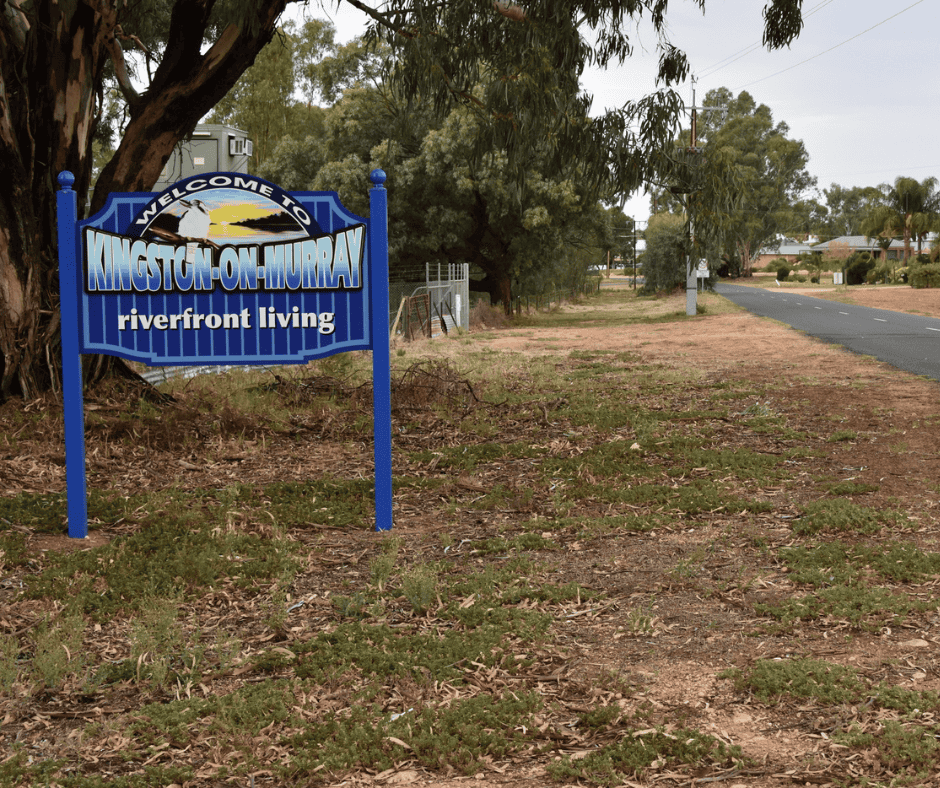
Calling Kingston-on-Murray’s central area a “main street” may be overselling it slightly. This
is not a town with boutiques, three cafés and a shop selling decorative cushions with
inspirational sayings on them.
The township is a quiet collection of homes, riverfront areas, boat access points and shady
reserves. The former local shop has closed, so visitors should buy groceries and essential
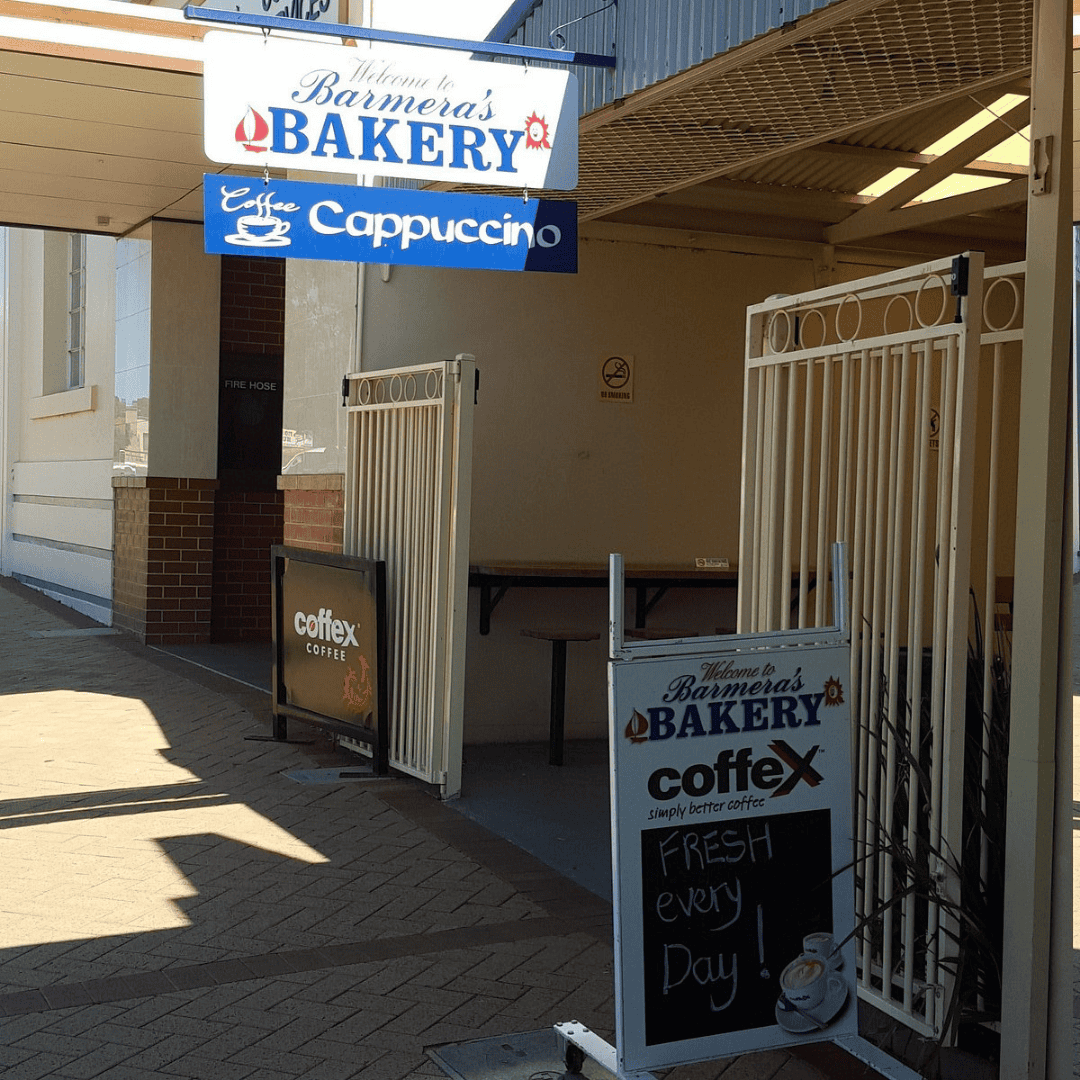
supplies in Barmera before settling in. We stopped at Barmera Bakery for fresh bread and a
few road-trip treats, then grabbed the rest of our supplies in town. Barmera is only around
ten minutes away, so forgetting the milk is inconvenient rather than catastrophic.
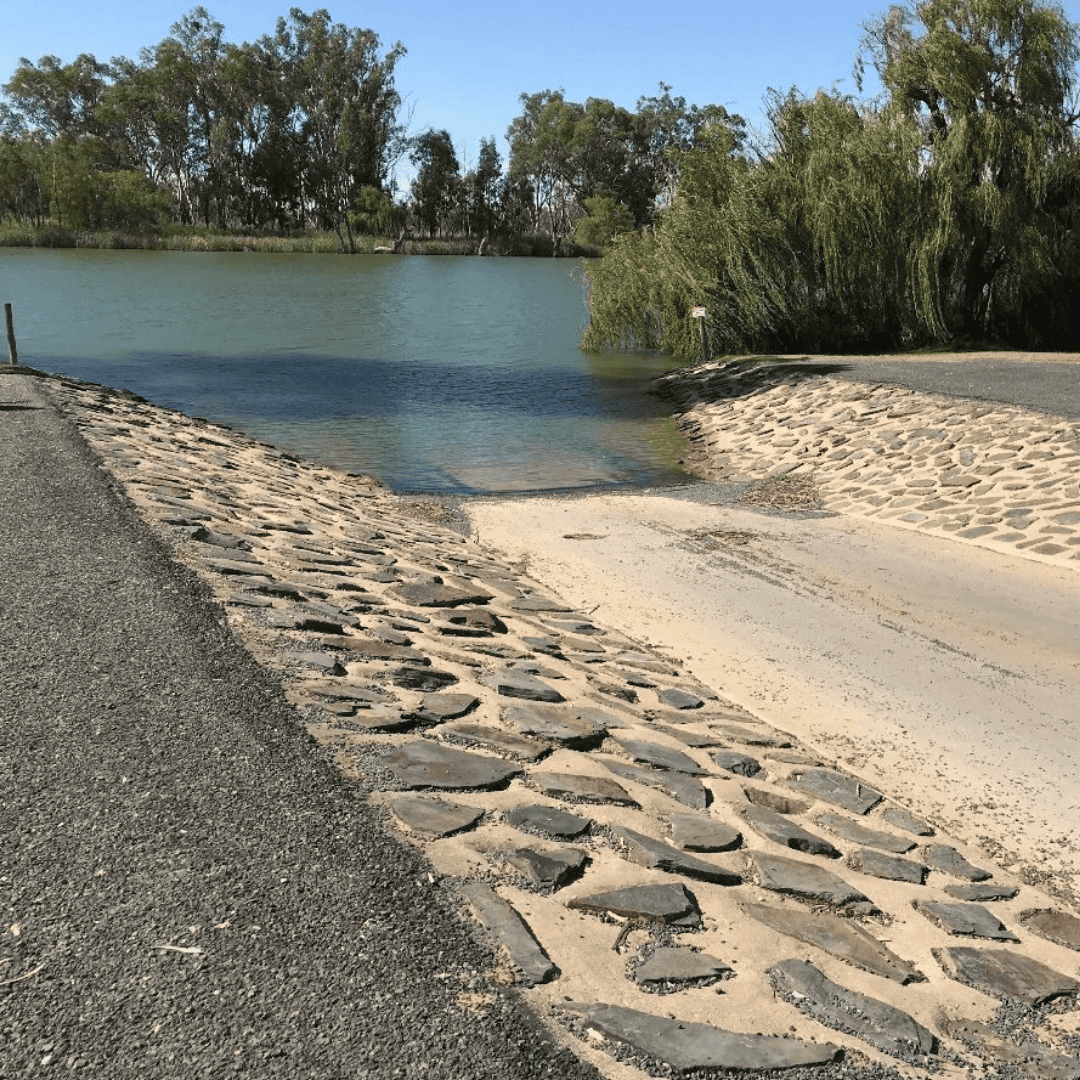
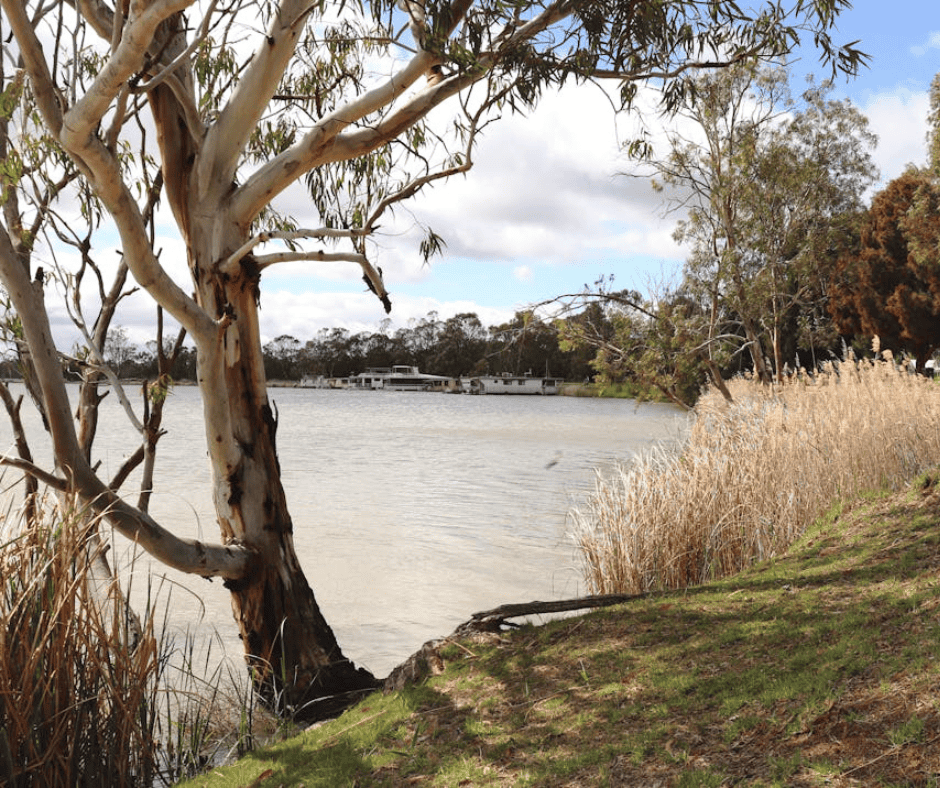
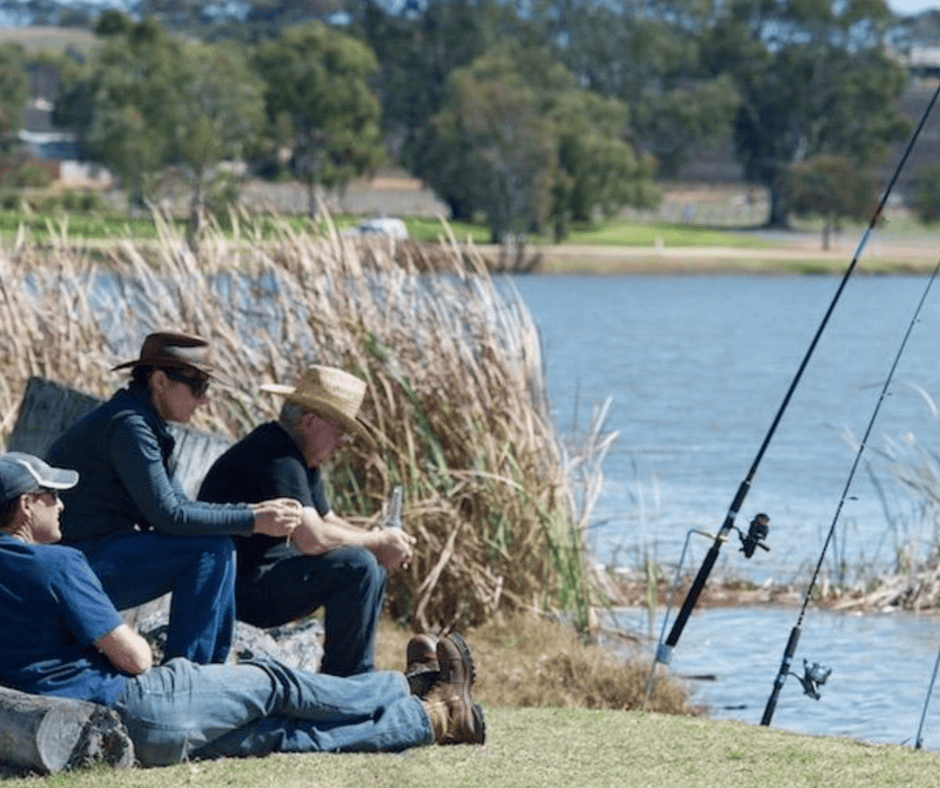
Kingston-on-Murray’s riverfront has lawn, seating, free barbecues, public toilets, a boat ramp
and pontoon. It is a pleasant place for a picnic, a walk or a quiet fishing session. The lack of
commercial clutter is actually part of the appeal—you come here for the river, not retail
therapy.
Our Base: Kingston-on-Murray Caravan Park
The family-owned Kingston-on-Murray Caravan Park sits in a secluded position beside the
Murray, just two kilometres from the Sturt Highway. It feels removed from highway traffic but
remains central to the Riverland’s major towns and attractions.
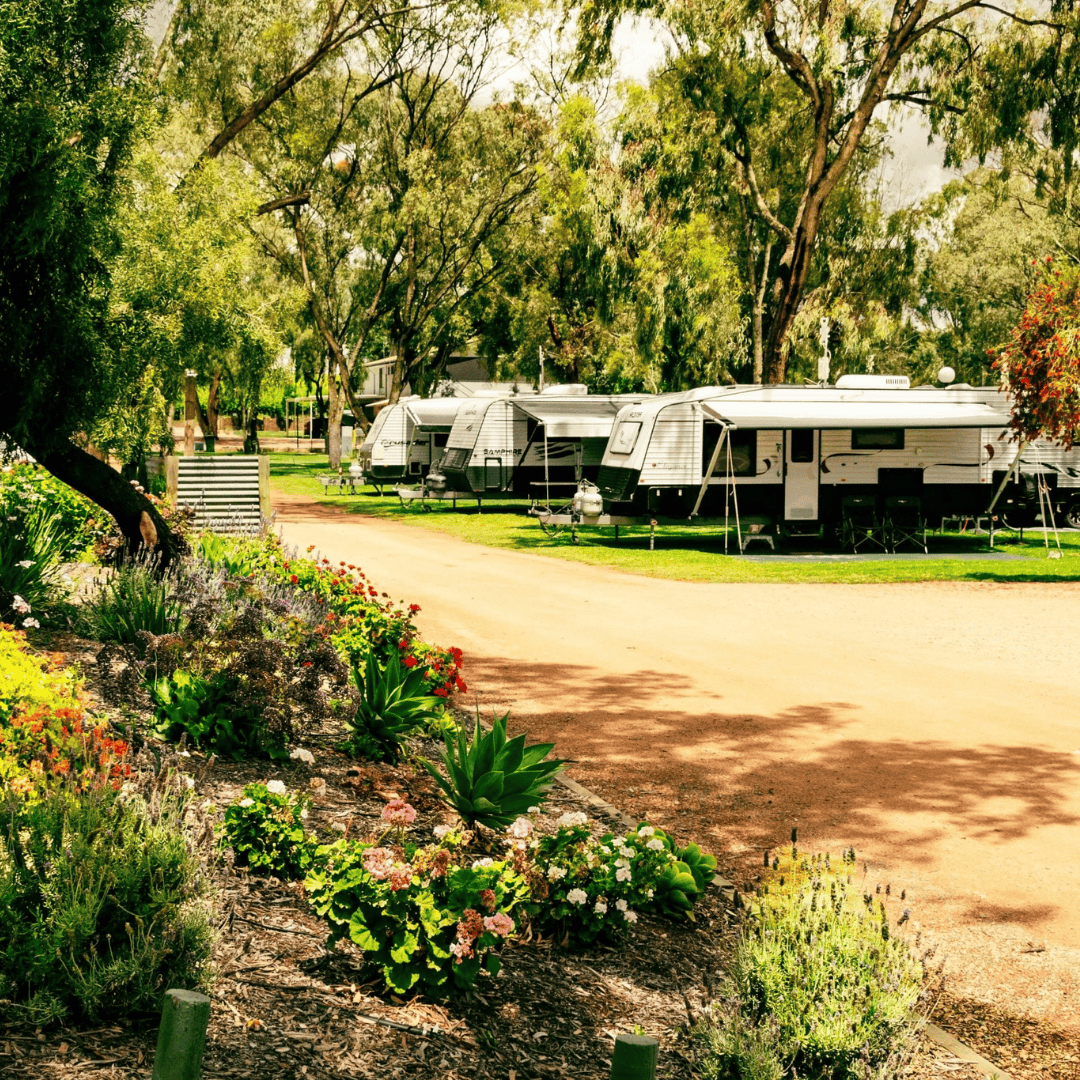
For caravanners, there are powered and unpowered sites, including large shady lawned
sites, concrete options and drive-through sites suitable for bigger rigs. Campers can choose
grassed areas, with some unpowered camping overlooking the river.
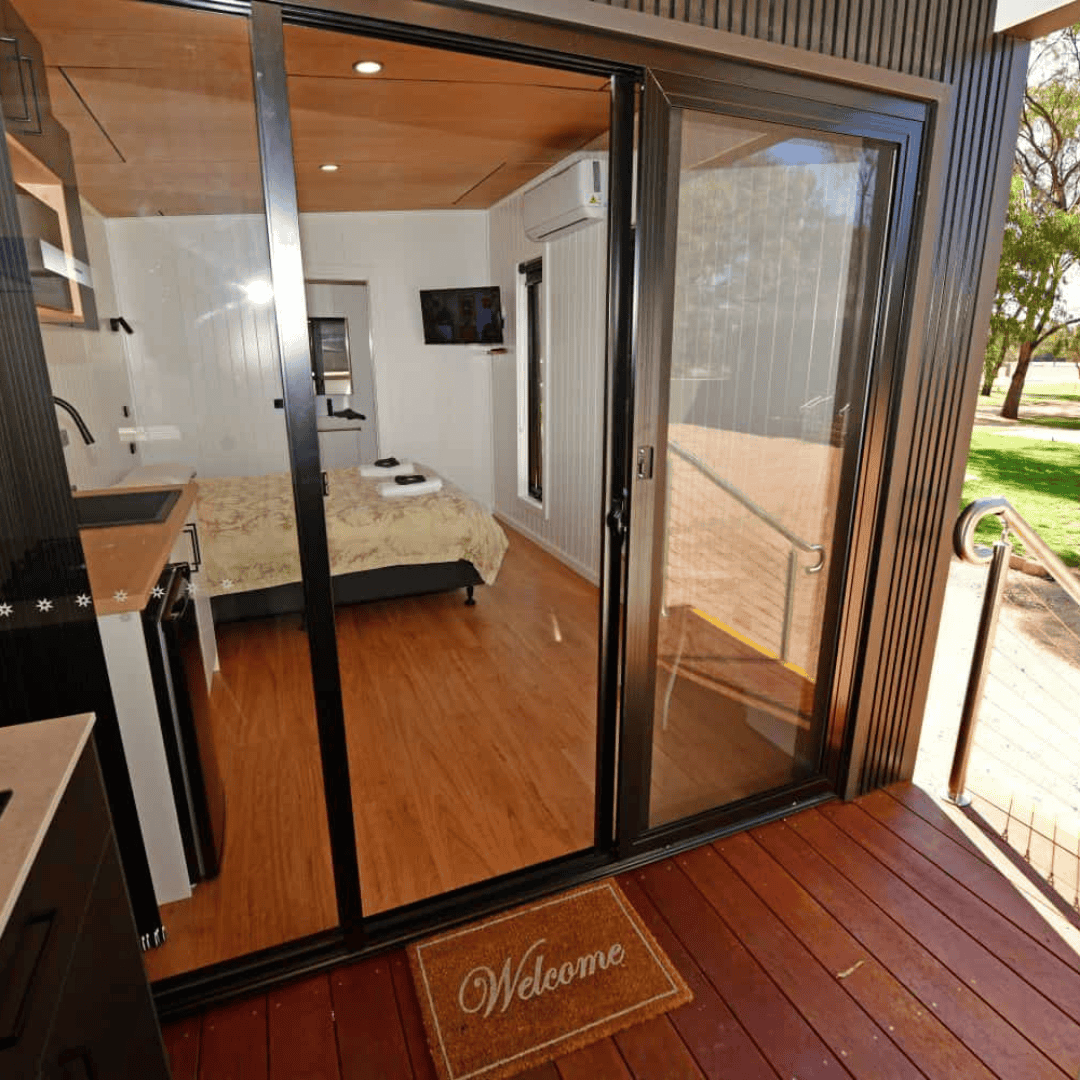
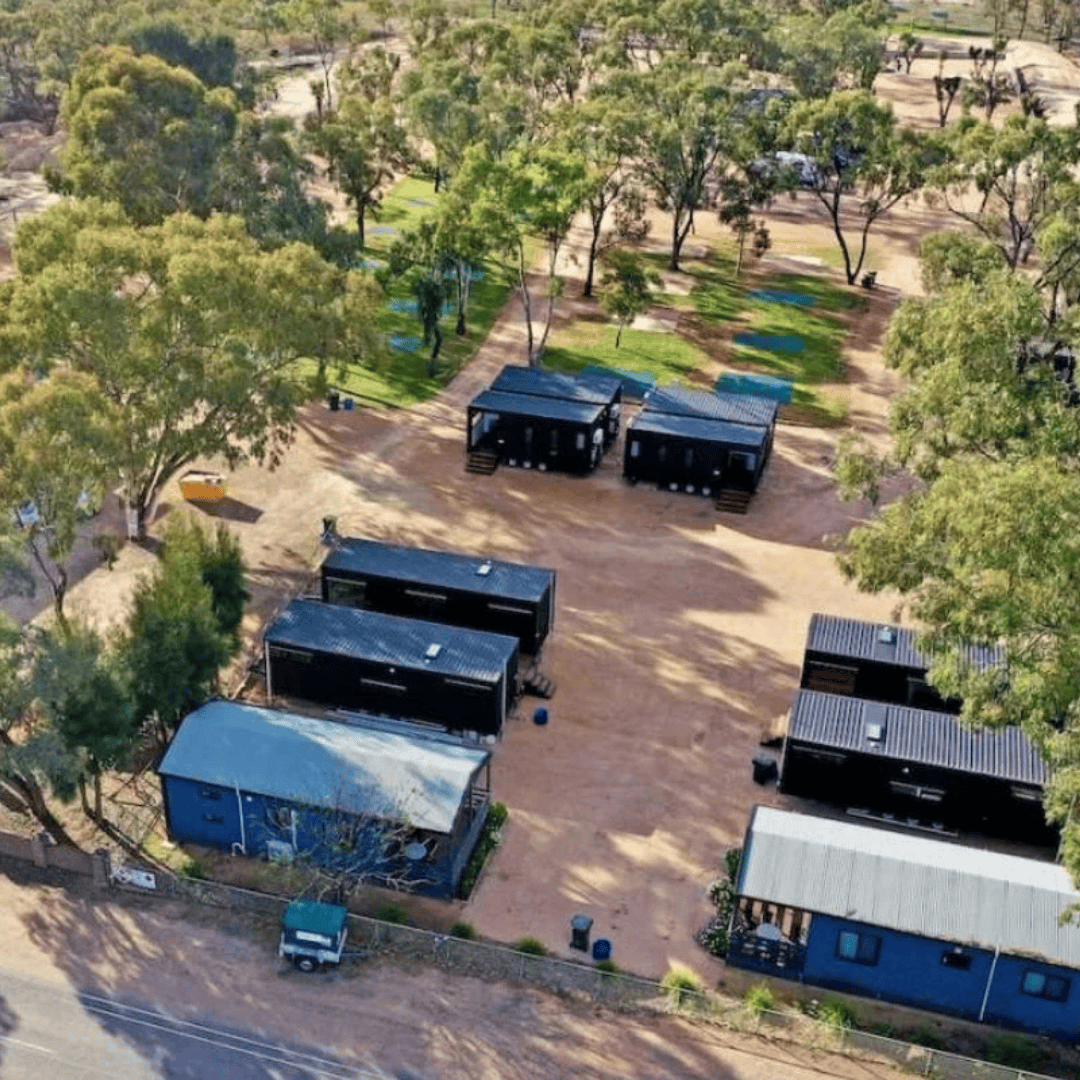
Travellers without their own accommodation can choose from one and two-bedroom ensuite
cabins, including family cabins sleeping up to six. Pet-friendly cabins are also available by
arrangement, while pets are welcome on sites subject to the park’s conditions.
Park facilities include:
- Swimming pool
- Modern camp kitchen
- Large undercover barbecue area
- Playground, oval, goals and bike track
- Laundry and accessible amenities
- Kiosk, fuel, LPG and ice
- Dump point
- Wi-Fi
- Table tennis and bocce
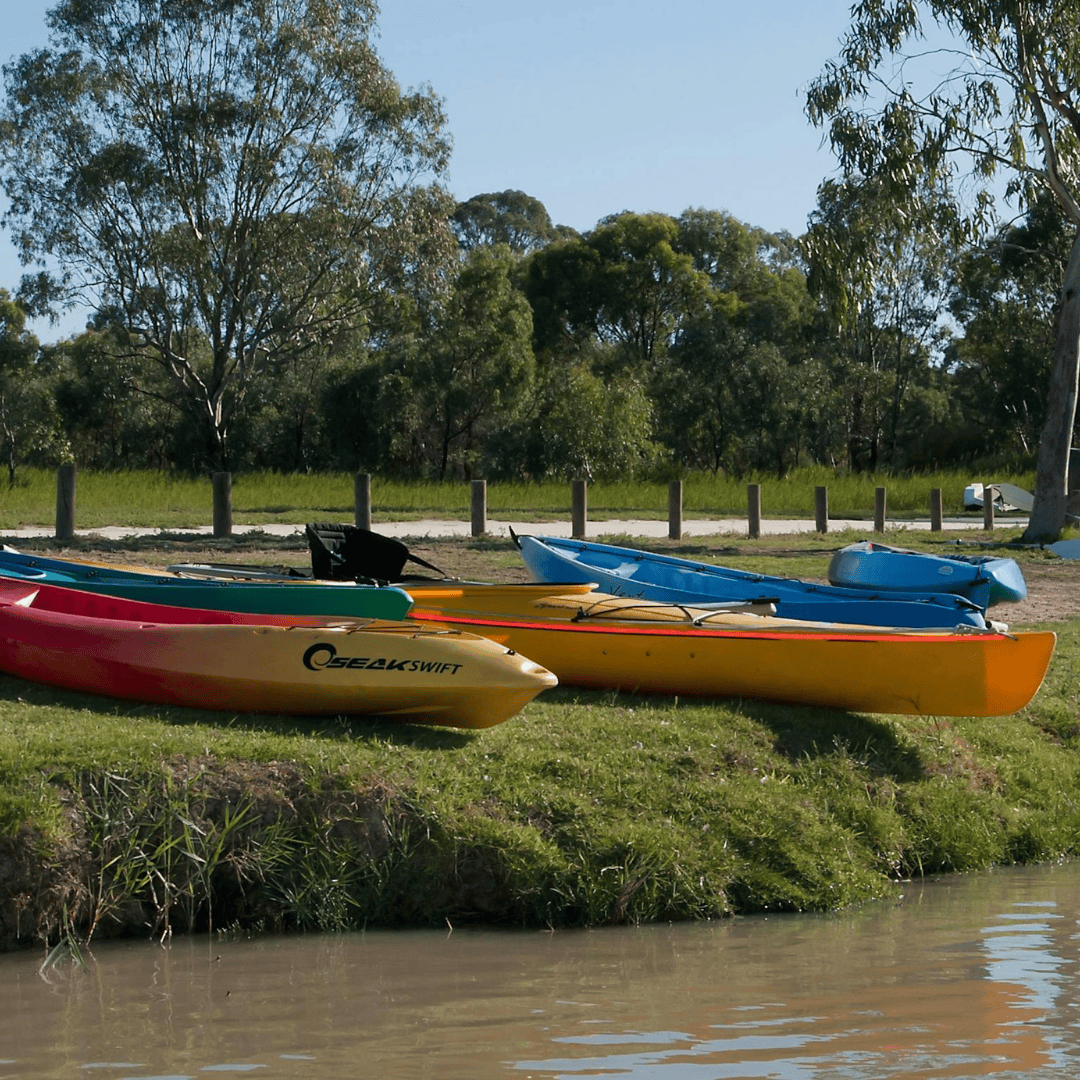
- Canoe hire
- Private jetty and pontoon
- Nearby boat ramp
- Fishing and yabbying access
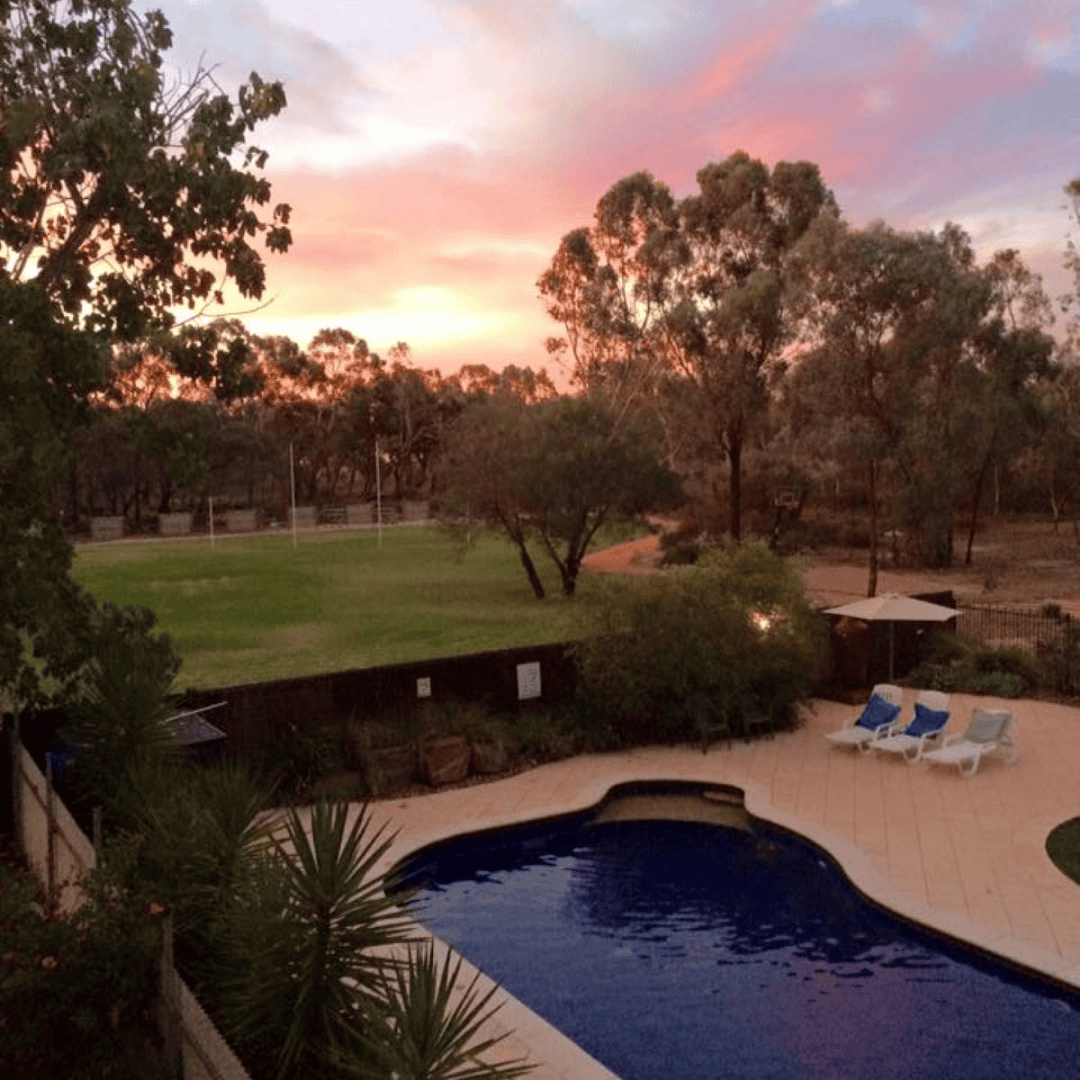
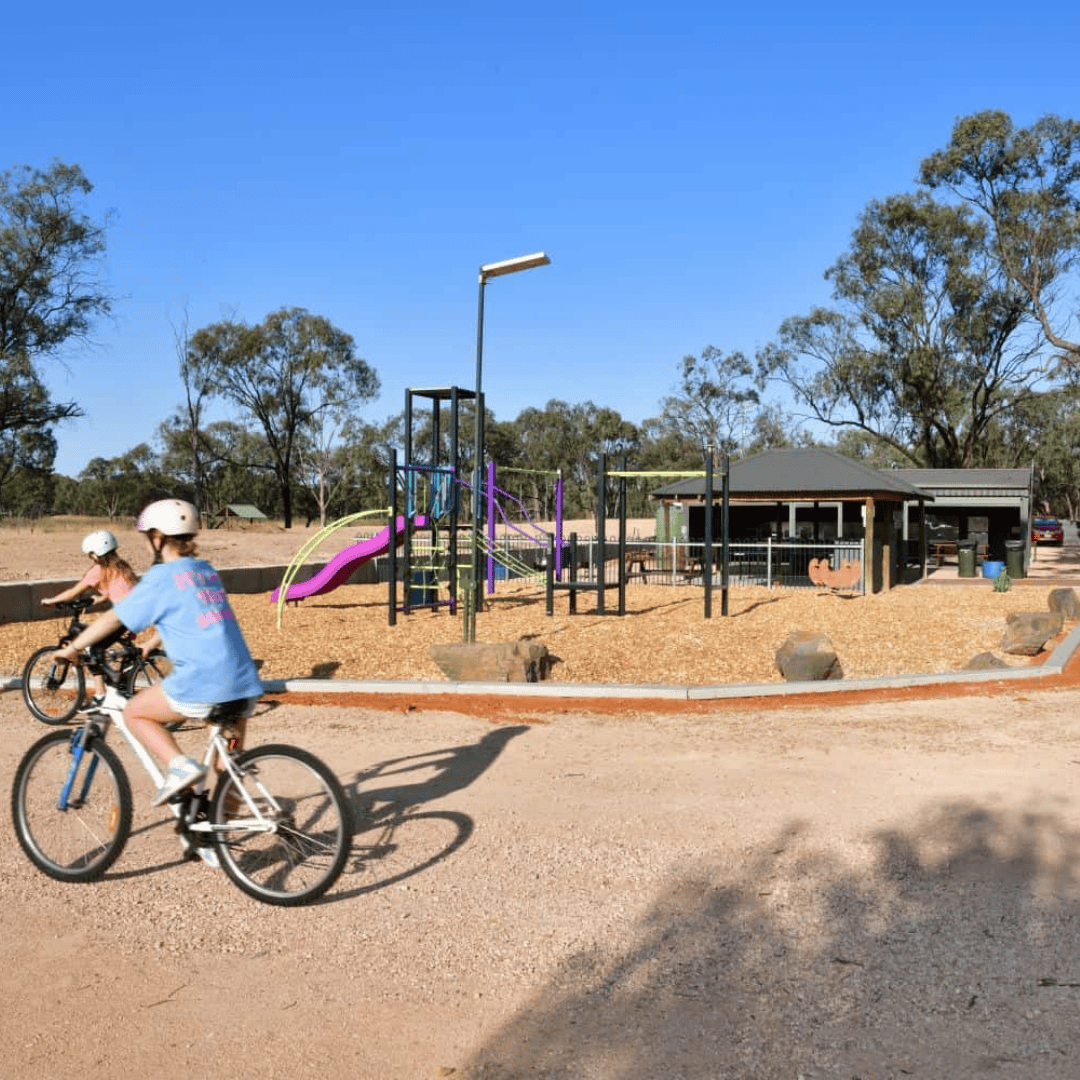
Families have enough around the park to fill the gaps between outings, especially during
warmer weather when the pool earns its keep. Couples can settle beside the river or share a
bottle of local wine around the barbecue, while grey nomads will appreciate the large sites,
quiet setting and central location.
The feature that really separates this park from many others, however, is its direct
relationship with the water. This is not a park where the river is technically “nearby” but
requires loading the car and driving ten minutes. A short walk takes you to the park’s private
jetty and canoe-launching point.
Our Hidden Riverland Experience
Our most memorable outing was also one of the simplest: hiring a canoe from the park and
paddling towards Chambers and Nockburra creeks.
These waterways connect with the wetlands of Loch Luna and Moorook Game Reserves,
where narrow creeks, shallow swamps, river red gums and reed beds create habitat for
waterbirds and other wildlife. The park describes the area as being a little like “Kakadu
without the crocs”—which is reassuring when your paddling technique occasionally
resembles someone trying to stir a very large pot.
Early morning is the pick. The water is generally calmer, the temperature kinder and the
birdlife more active. Once we left the open river and entered the narrower creek system, the
outside world seemed to disappear. There were no tour buses, queues or souvenir
shops—just water, gums, birds and the occasional questionable attempt to steer around a
submerged branch.
Detailed canoe-trail maps are available through Riverland visitor information centres.
Conditions can change, so check water levels, weather and current National Parks alerts
before setting out. Less experienced paddlers should also ask the caravan park hosts for
local advice.
This is the kind of Riverland experience many visitors never discover because it is not a big-
ticket attraction. Yet it gave us a much better understanding of the landscape than simply
looking at the river from a lookout.
Discovering the Riverland’s Smaller Winemakers
With Banrock Station’s cellar door, restaurant and public wetland access now closed, we
headed to the Riverland Wine Centre at Lyrup instead.
The centre brings together wines from more than 25 Riverland producers, making it a useful
introduction to an enormous wine region where many of the best labels come from small
growers without large public cellar doors. Rather than spending the day driving between
widely scattered vineyards, we could taste several local producers in one place and learn
more about the alternative grape varieties being grown in the Riverland’s warm
Mediterranean-style climate.
There is also an onsite café showcasing seasonal Riverland produce, so we combined our
tasting with a relaxed lunch. It suited us perfectly: genuinely local, friendly rather than formal,
and close enough to Kingston-on-Murray for an easy day trip.
Visitors wanting a more personal vineyard experience can also book a tasting at Whistling
Kite Biodynamic Wines at New Residence. This family-run vineyard has been farmed
organically for decades and produces some interesting lesser-known varieties. Check its
current tasting schedule and book ahead before making the drive.
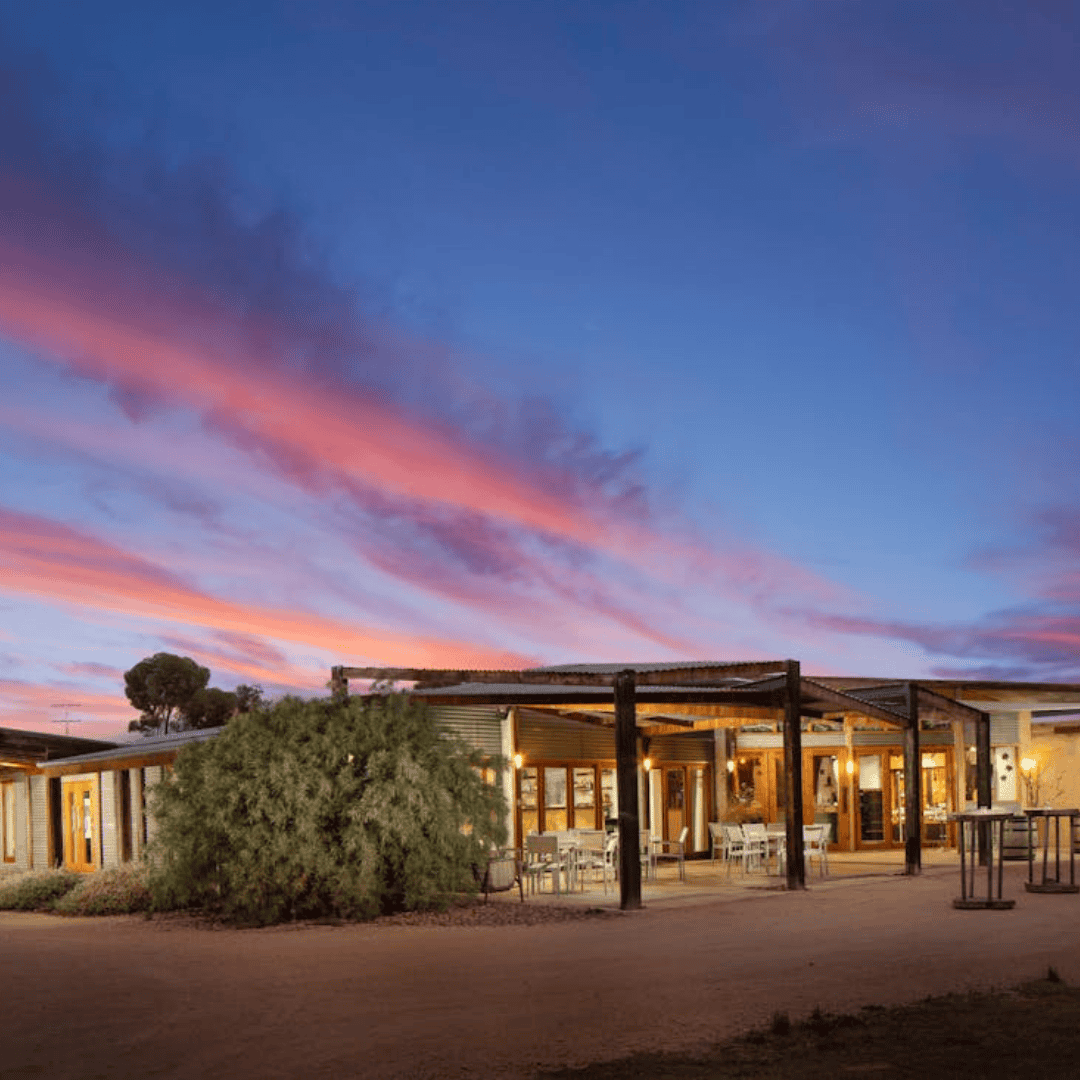
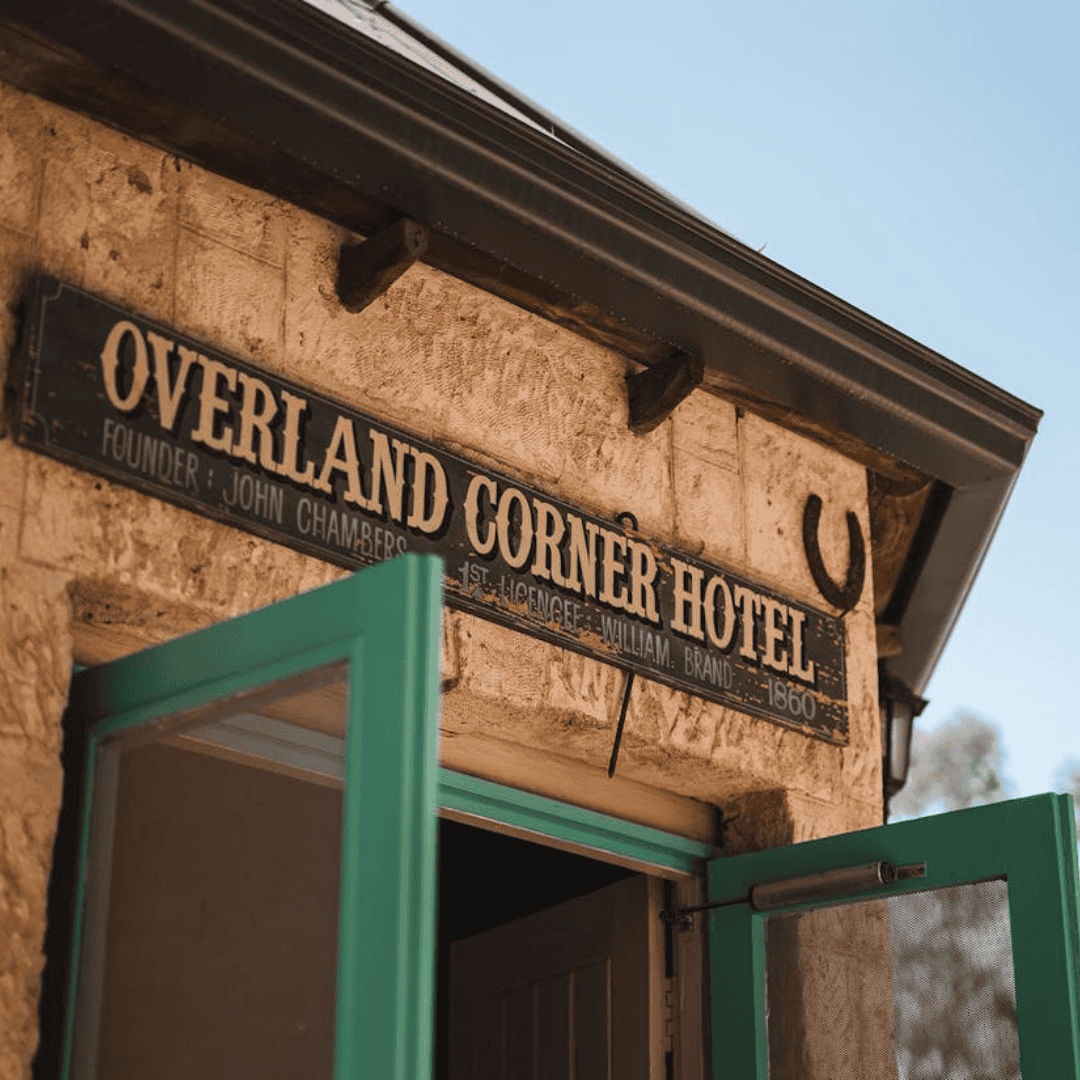
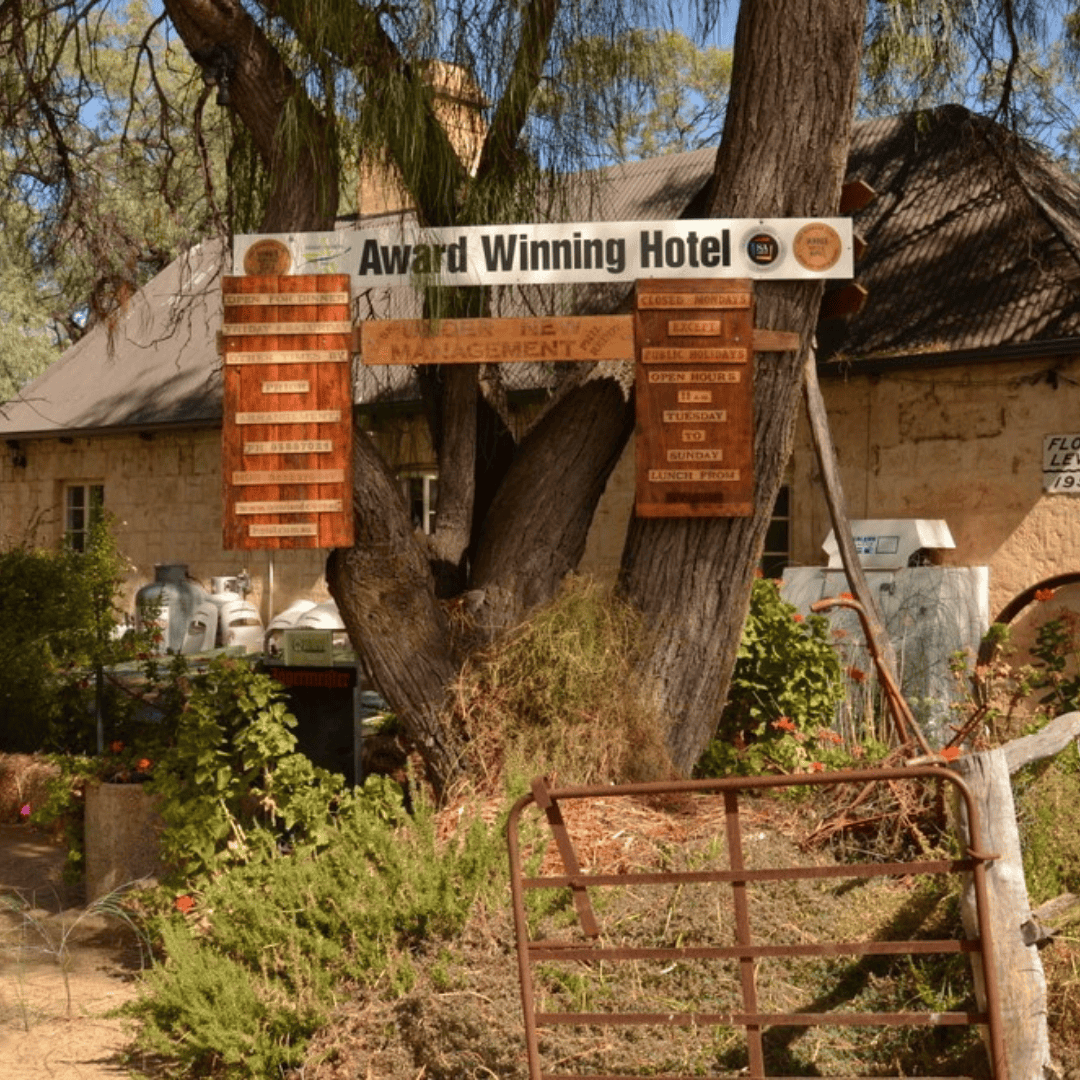
We still finished another afternoon at the Historic Overland Corner Hotel, which remains
operational. Known locally as “The OC”, the heritage-listed pub offers meals, country
hospitality and a genuine connection to the Riverland’s droving and river-travel history.
Opening days vary, so it is worth checking before heading over.
Who Will Enjoy Kingston-on-Murray?
- Grey nomads: Large caravan sites, peaceful river frontage, fishing, birdwatching,
history, wine and easy day trips throughout the Riverland. - Families: A swimming pool, playground, cycling space, canoeing, fishing, water
sports and plenty of room to escape the tablets for a while. - Young adventurers: Kayaking through wetland creeks, boating, water skiing, nature
photography, walking trails and building Kingston into a longer self-drive journey.
When Should You Visit?
Autumn—from March to May—is arguably the all-round sweet spot. The fiercest summer
heat has eased, the river remains inviting and conditions are pleasant for paddling, walking
and visiting wineries.
Spring, particularly September to November, is another excellent choice, with comfortable
daytime temperatures and plenty of activity around the wetlands.
Summer suits families and water-sports enthusiasts, but Riverland temperatures can climb
well into the high 30s and beyond. Plan outdoor activities early, retreat to the pool during the
hottest part of the day and carry plenty of drinking water.
Winter is quieter, cooler and particularly appealing for grey nomads who prefer peaceful
parks, camp-kitchen dinners and crisp mornings beside the river. Some attractions and
hospitality venues operate reduced winter hours, but the reward is fewer visitors and a more
relaxed version of an already relaxed destination.
Our Final Pro Tips
Kingston-on-Murray may begin as a convenient dot on a road-trip map, but it deserves to
become part of the holiday itself. We arrived expecting a quiet base between larger
Riverland towns and left remembering the early-morning paddle, the birds in the creek
system, lunch overlooking the wetlands and those wonderfully slow afternoons beside the
Murray.
Sometimes the best road-trip destinations are not the places shouting for attention. They are
the little turn-offs where you finally stop rushing.
To find out more about Kingston on Murray SA – HERE
To book your stay at Kui Parks Blacksmiths Beachside Holiday Park – HERE
To see find a Kui Parks Holiday Park that suits your next holiday – HERE