Colac: The Inland Base That Opens Up the Otways and Great Ocean Road
Article by Warren Parrot – @whatsupwithwaz
Colac is one of those Victorian towns plenty of people have driven through without properly
stopping. Its kind of a place that people stop off at on their way to somewhere else.
Years past we had done exactly that ourselves—slowed down along Murray Street, found a
coffee, topped up the fuel and continued towards Warrnambool or the Great Ocean Road.
This time, we stayed.
What we discovered was a practical, friendly regional town with a beautiful lake, strong
farming history and an almost ridiculous number of day trips within easy reach. Colac might
not carry on like a major tourist destination, but that also helps its appeal. It works
particularly well for road travellers who want somewhere central, affordable and easy to
navigate without battling coastal crowds every time they need bread, milk or a decent car
park.
Grey nomads come for the accessible lakeside walks, birdlife, fishing, history and relaxed
pace. Families gain an affordable base with playgrounds, open spaces and plenty of day-trip
choices. Young adventurers have the Otways, mountain-bike trails, waterfalls, ziplining,
hiking and even wild platypus tours close by.
In other words, Colac is not just somewhere between Melbourne and Warrnambool. It is a
very handy holiday destination in its own right.
Getting to Colac
Colac sits on the Princes Highway, approximately 150 kilometres south-west of Melbourne.
The drive from Melbourne generally takes about two hours, depending on traffic through the
western suburbs and how long you spend debating whether another coffee is necessary. It
usually is. Well… for me it is!
Approximate road distances and driving times are:
- Melbourne: 150 kilometres or around two hours
- Geelong: 76 kilometres or approximately one hour
- Ballarat: 100 kilometres or around one hour and 20 minutes
- Warrnambool: 106 kilometres or approximately one hour and 15 minutes
- Lorne: 54 kilometres or about 50 minutes
- Anglesea: approximately 72 kilometres or one hour
- Torquay: approximately 80 kilometres or one hour
The direct Melbourne route follows the Princes Freeway through Geelong and Winchelsea. It
is straightforward for caravans and motorhomes, with no need to squeeze your pride and joy
around the tight bends of the Great Ocean Road.
A Town Shaped by Water, Farming and Forest
Colac stands on the Traditional Country of the Gulidjan and Gadubanud peoples, who
maintain a continuing connection with the lakes, volcanic plains, forests and waterways of
the wider Colac Otway region.
The precise origin of the name “Colac” is not completely settled. Museum Victoria records
that it may have developed from the name of the local Kolijon or Gulidjan people, or from the
word kolak, associated with sand or the fresh water of the lake.
European pastoral settlement began near Lake Colac in 1837. A village was surveyed during
the 1840s, and the township of Lake Colac was proclaimed in 1848 before its name was
shortened to Colac. Pastoral runs were eventually divided into smaller farms, while
cooperative dairy enterprises helped establish the district as one of Victoria’s major dairying
regions.
Dairy, beef, wool and timber have all played important roles in the town’s development.
Those industries remain visible today, but Colac is now equally valuable as the inland
service centre and touring hub of the Great Ocean Road region.
Exploring Colac’s Main Street
Before heading for the forests and coast, we spent time exploring Colac itself.
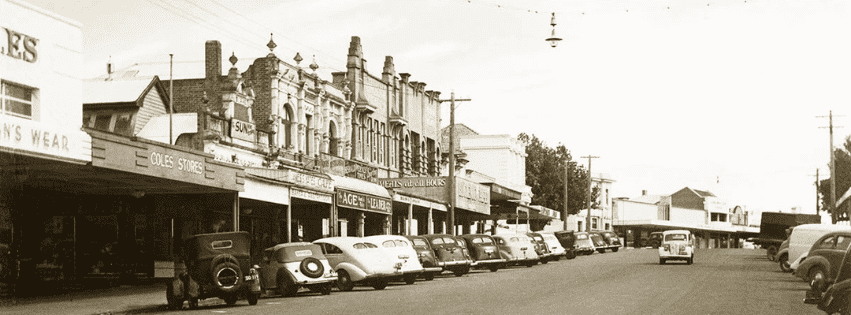
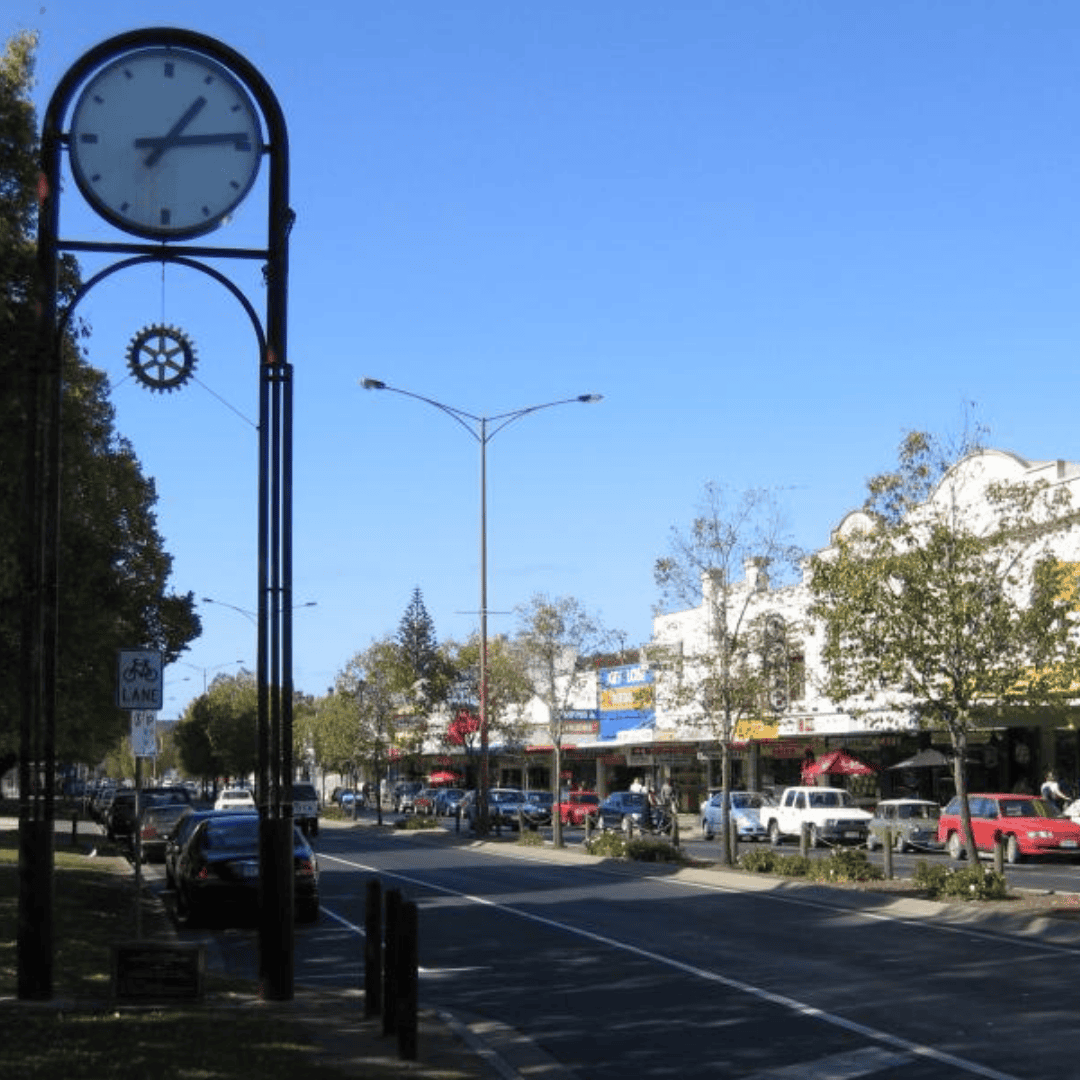
Murray Street is both the Princes Highway and the town’s main commercial strip, so it is
busier than the main streets of many country towns. It offers supermarkets, banks, bakeries,
cafés, pubs, clothing stores and independent retailers, with most everyday supplies easy to
find.
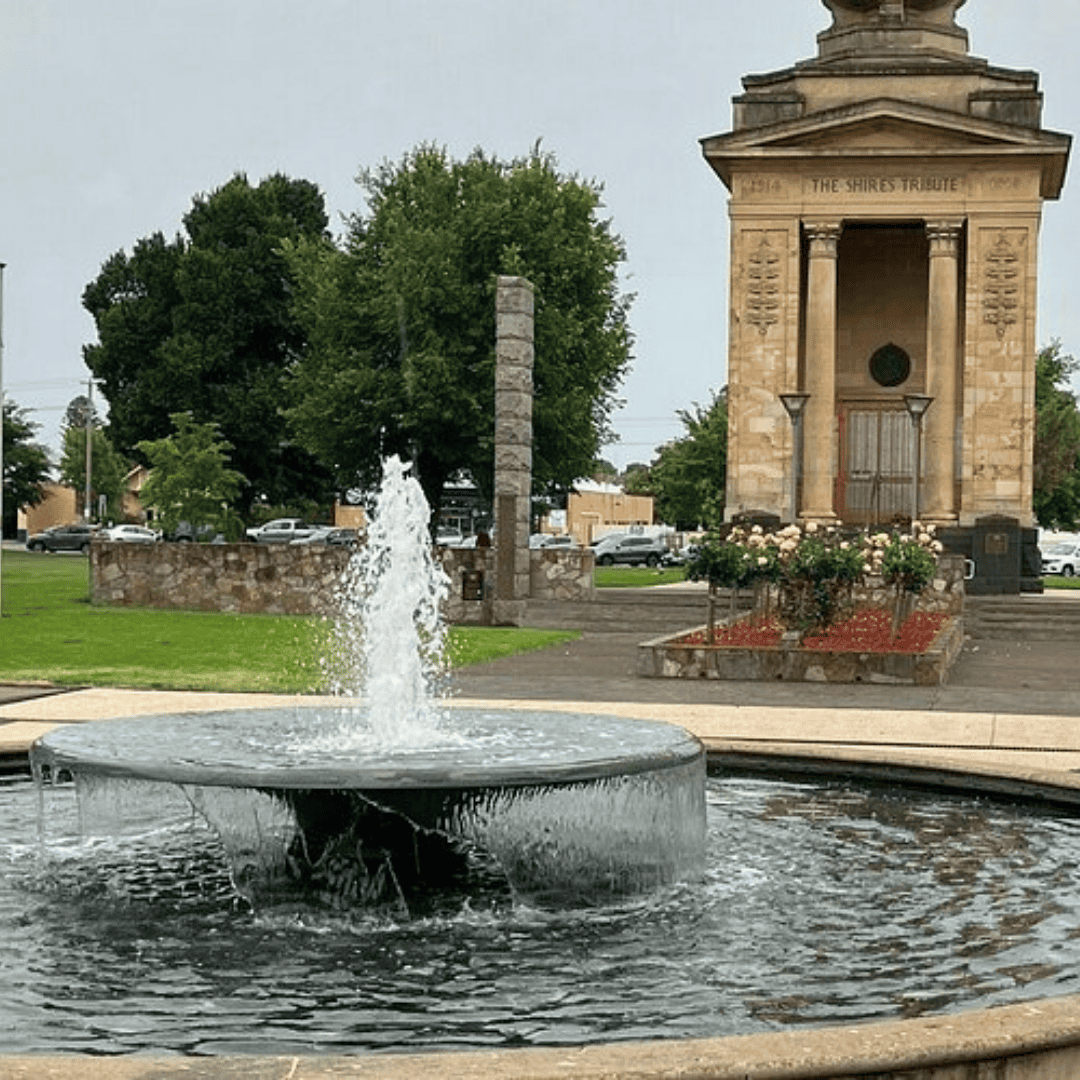
Memorial Square gives the centre of town some breathing room and provides a pleasant
place to stop. The war memorial recalls Colac’s remarkable connection with two nationally
significant speeches delivered on consecutive nights in 1914, when political leaders Andrew
Fisher and Joseph Cook expressed Australia’s support for Britain on the eve of the First
World War.
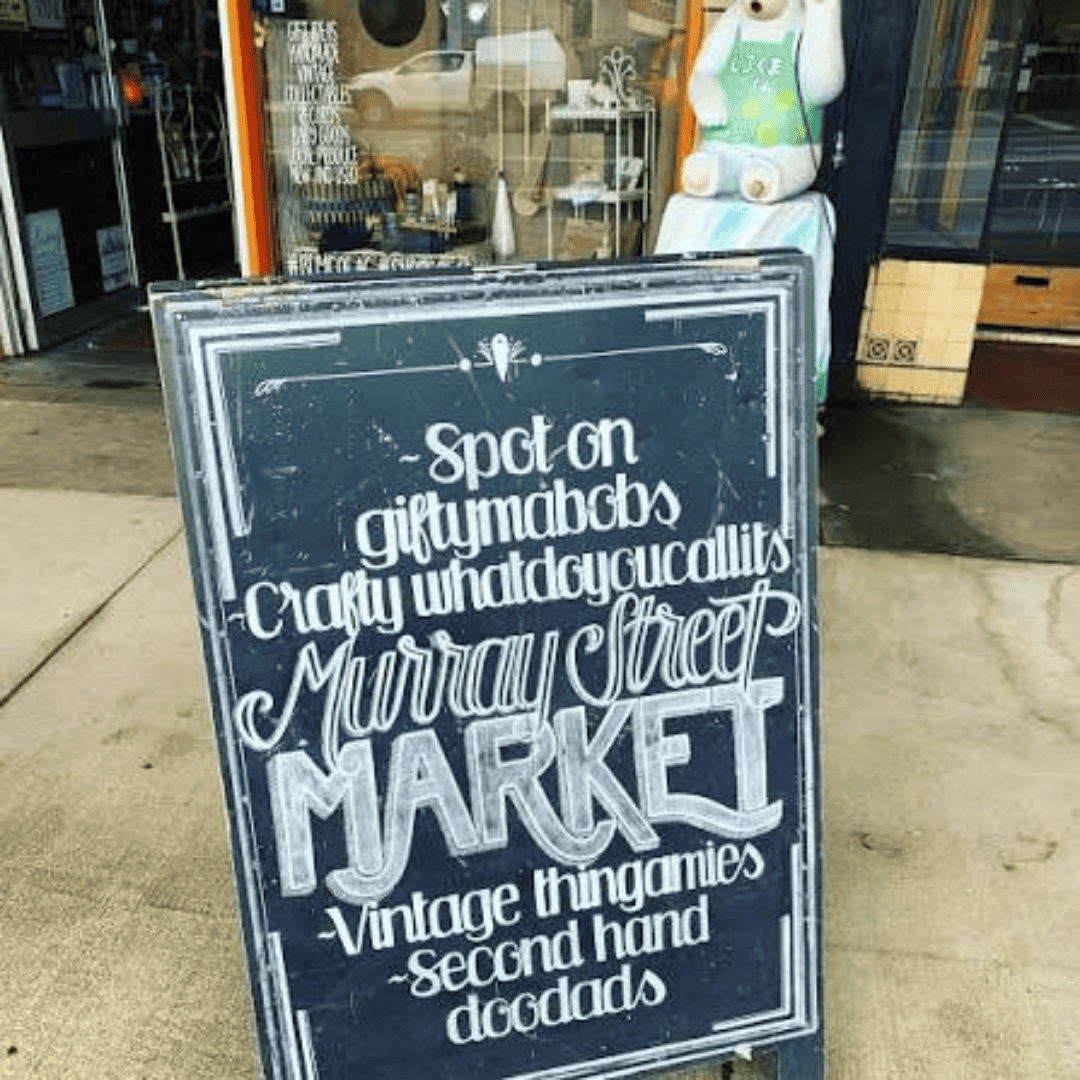
Our most entertaining discovery was Colac’s Murray Street Market. This is not a little row
of weekend stalls. It is a sprawling indoor collection of more than 90 mini-stores filled with
vintage pieces, collectables, crafts, gifts and second-hand odds and ends. It is the sort of
place where you walk in looking for nothing and emerge carrying an old road sign, three
books and a jug shaped like a duck.
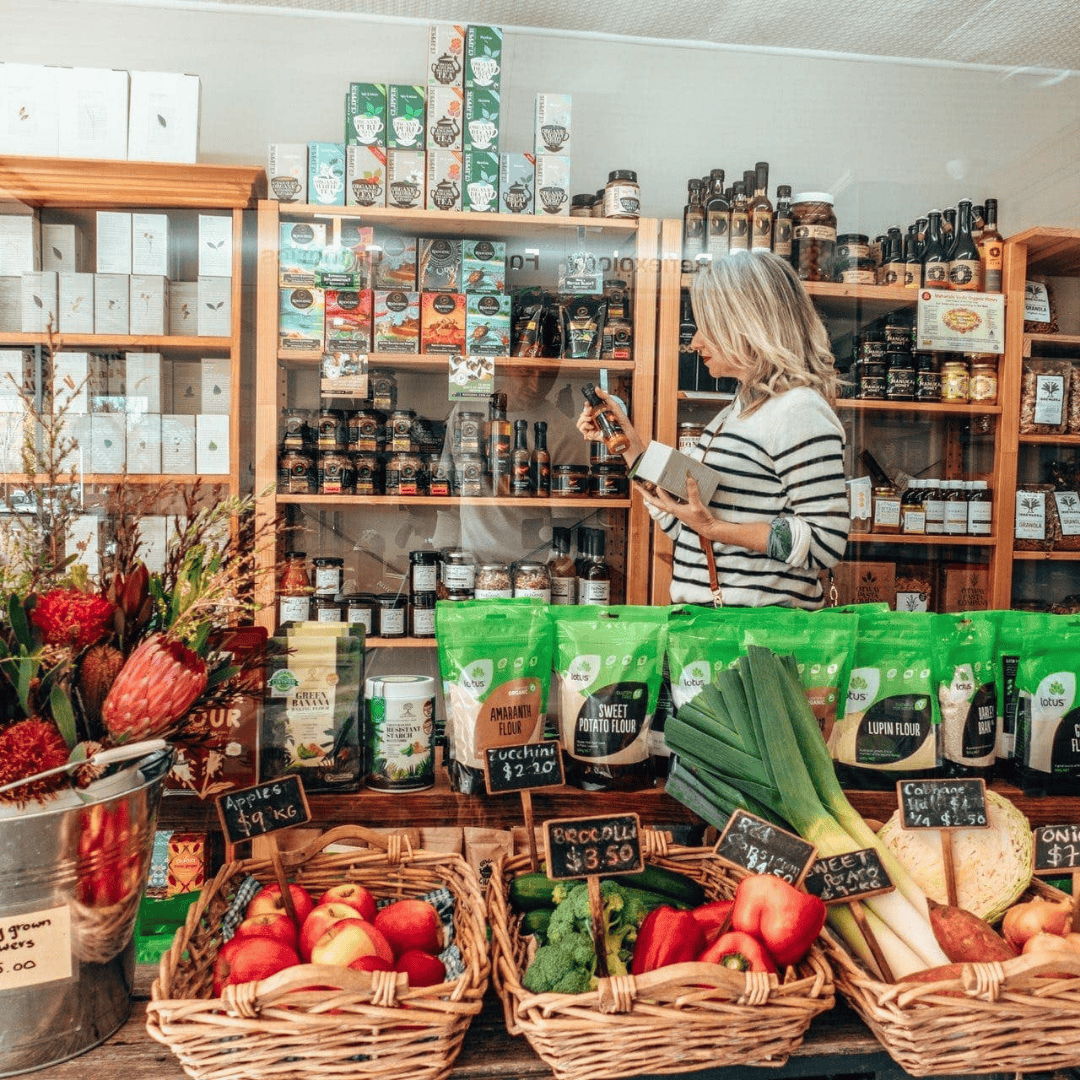
For coffee and a light bite, we called into Jo’s Pantry, a friendly community-minded café and
wholefoods store serving coffee, toasties and pantry staples. For lunch, Fusion Restaurant
Colac at 58 Murray Street provided something different from the standard country-pub
menu, with sushi and a range of modern fusion dishes.
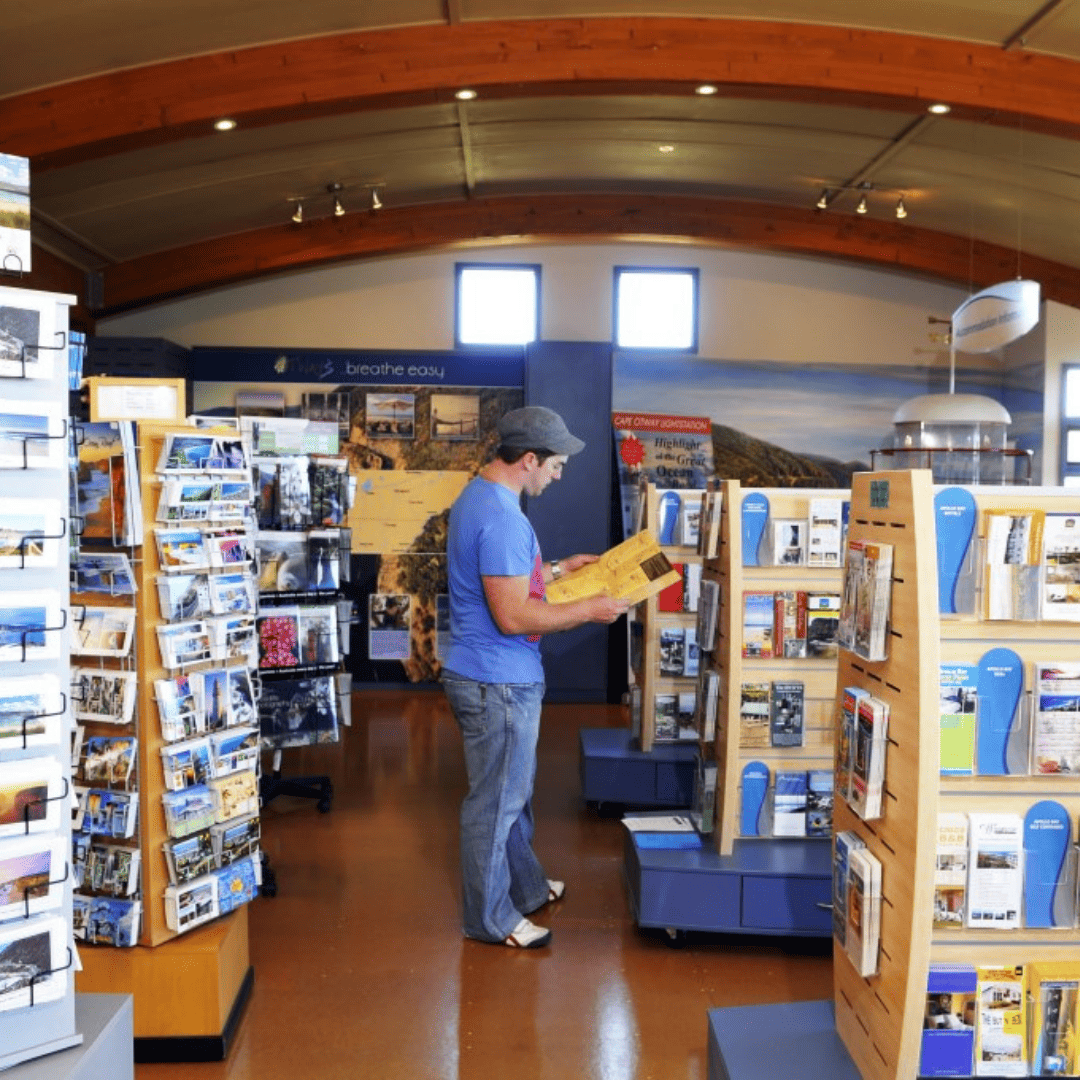
The Colac Visitor Information Centre, at the corner of Murray and Queen streets, is also
worth visiting early in your stay. Local staff can provide current advice about walking tracks,
road conditions and seasonal closures—particularly useful before heading deep into the
Otways.
Lake Colac and the Botanic Gardens
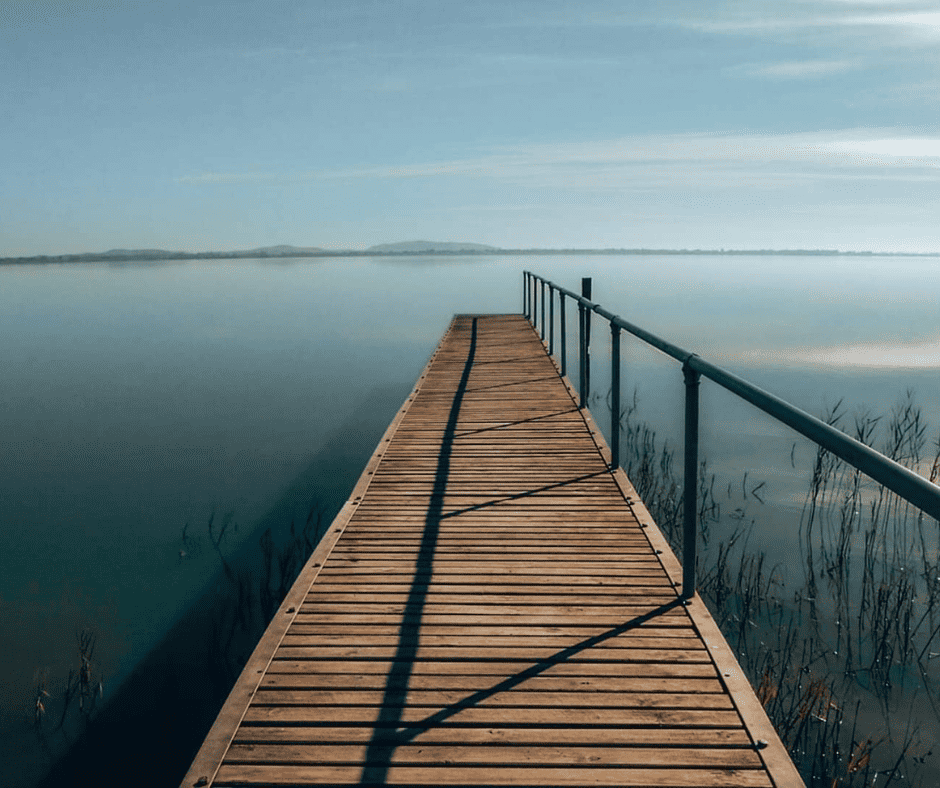
Lake Colac is the town’s defining natural feature and Victoria’s largest natural freshwater
lake. Its appearance changes with rainfall and the seasons, but it remains an important
habitat for waterbirds and a popular place for fishing, kayaking, canoeing and boating when
conditions allow.
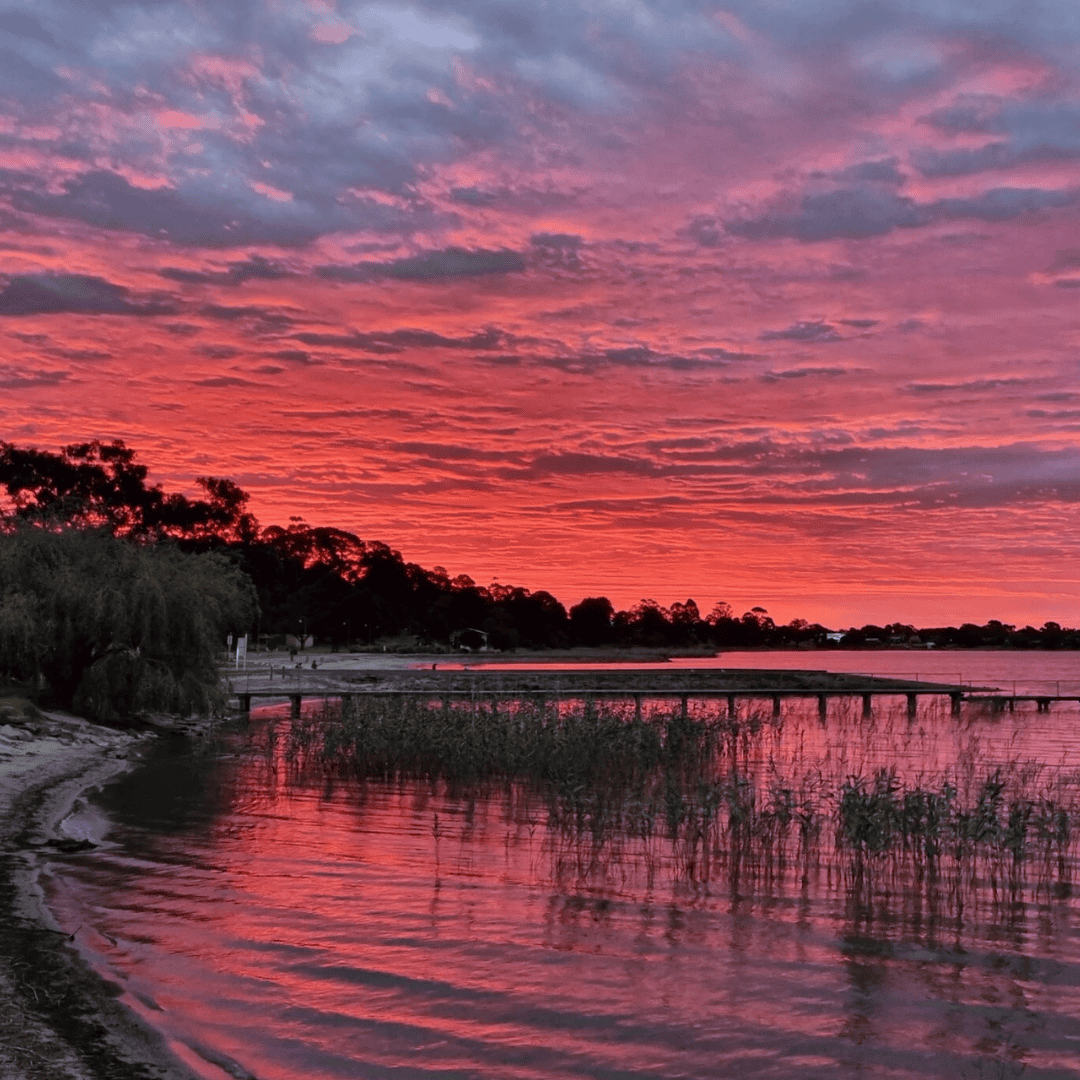
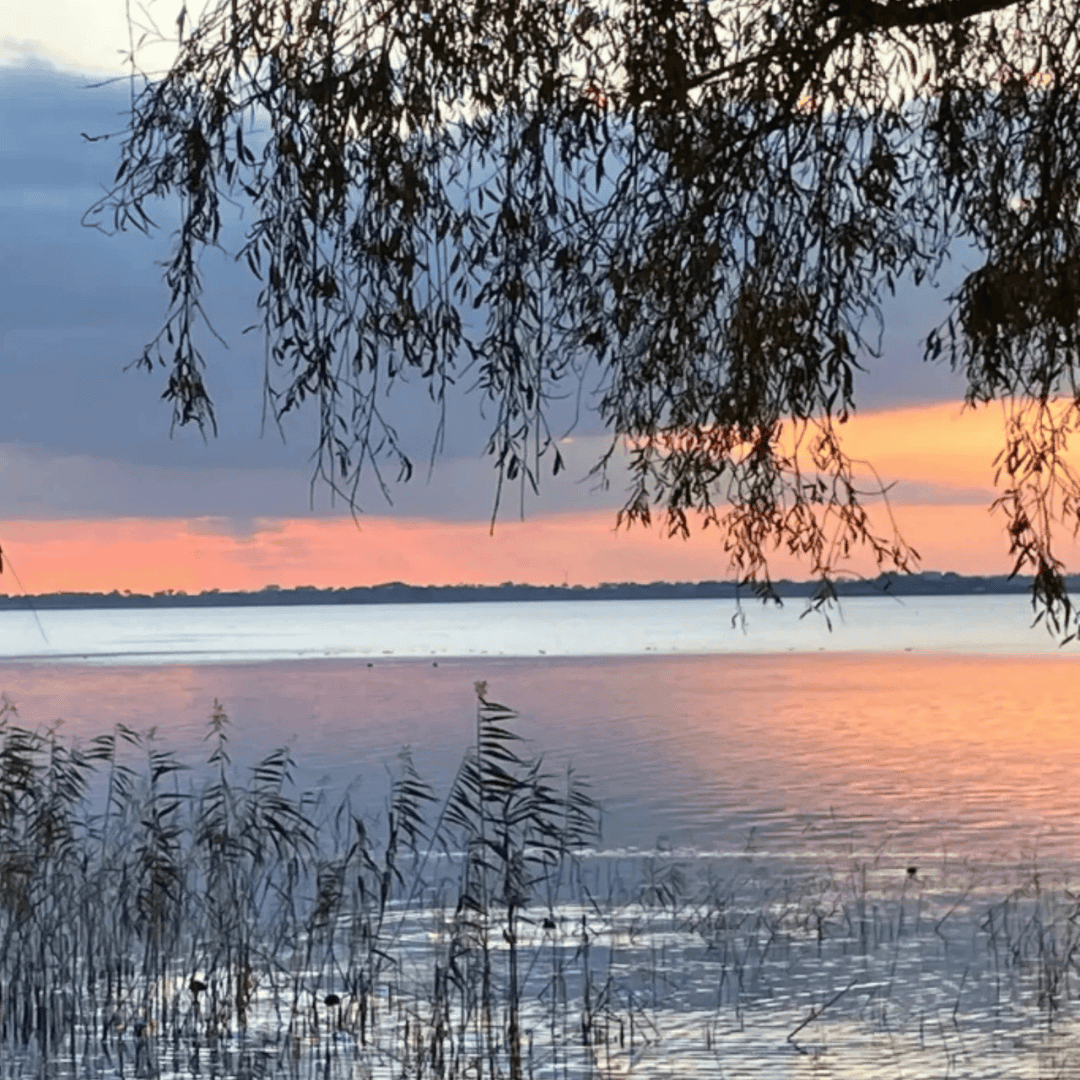
The foreshore is ideal for an uncomplicated walk—no hiking poles, oxygen cylinders or
heroic levels of fitness required. We watched pelicans and other waterbirds while enjoying
the sort of sunset that makes everyone suddenly think they are a professional landscape
photographer.
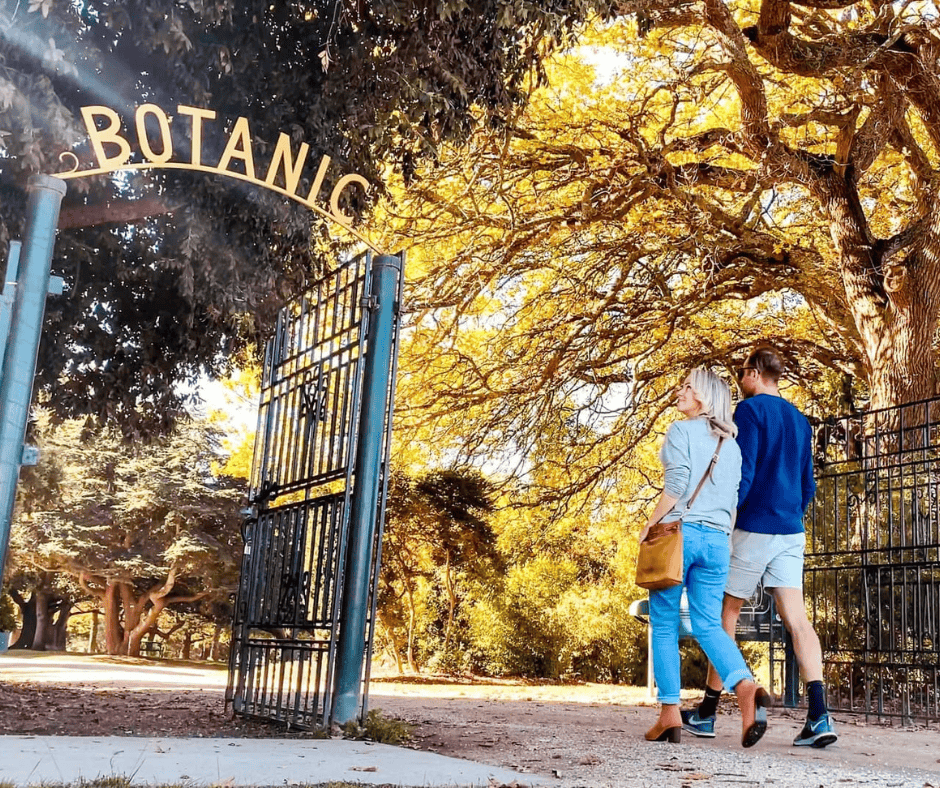
Beside the lake, the heritage-listed Colac Botanic Gardens were established in 1868. A
1.2-kilometre walking track winds through mature trees and landscaped gardens, while the
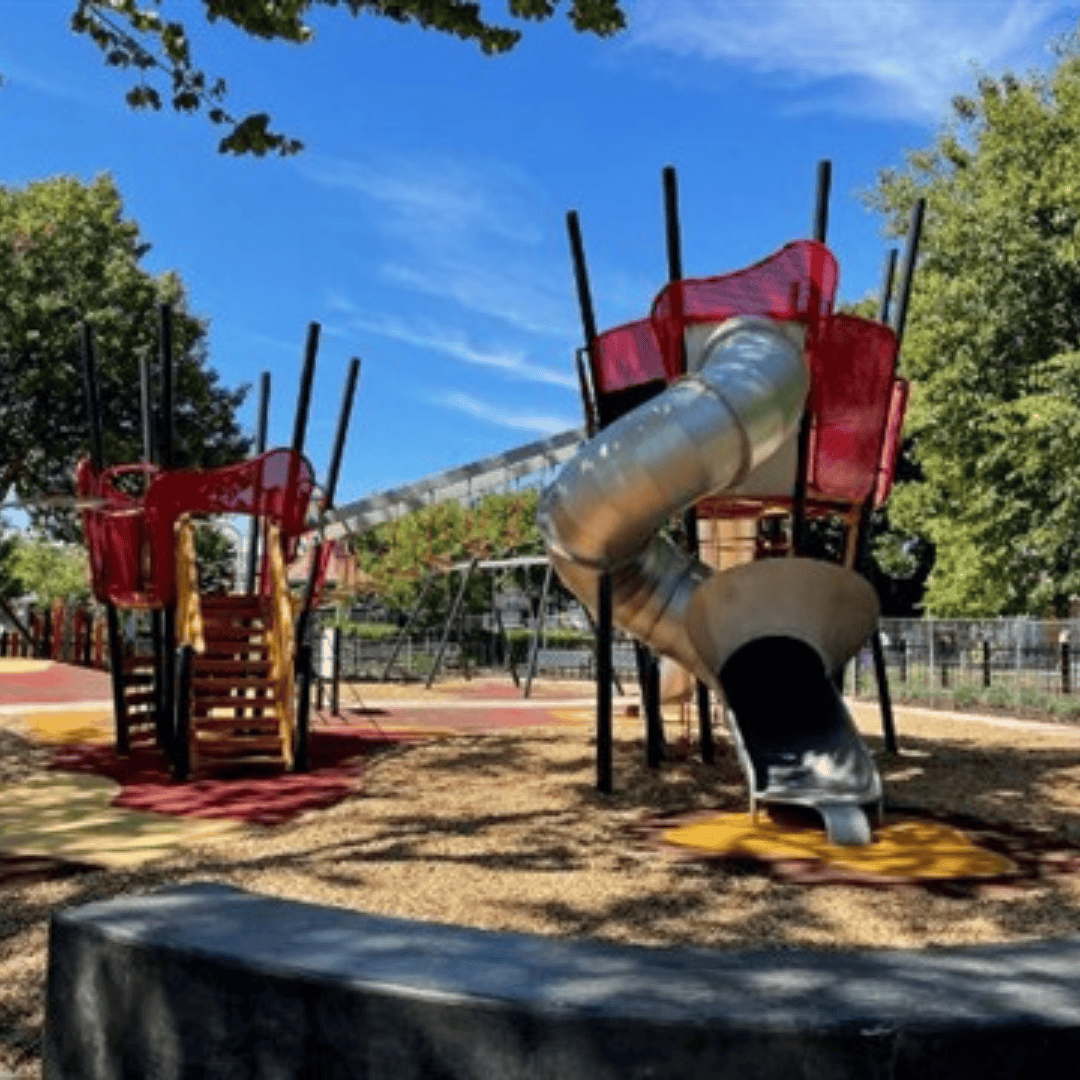
neighbouring playground and barbecue area make it particularly useful for families.
Travellers interested in local history can visit the Colac History Centre, opposite the railway
station. The Colac and District Historical Society and Family History Group maintain
extensive collections covering the town and surrounding farming communities. Opening
times are limited, so it is worth checking before setting out.
Volcanoes Without the Lava
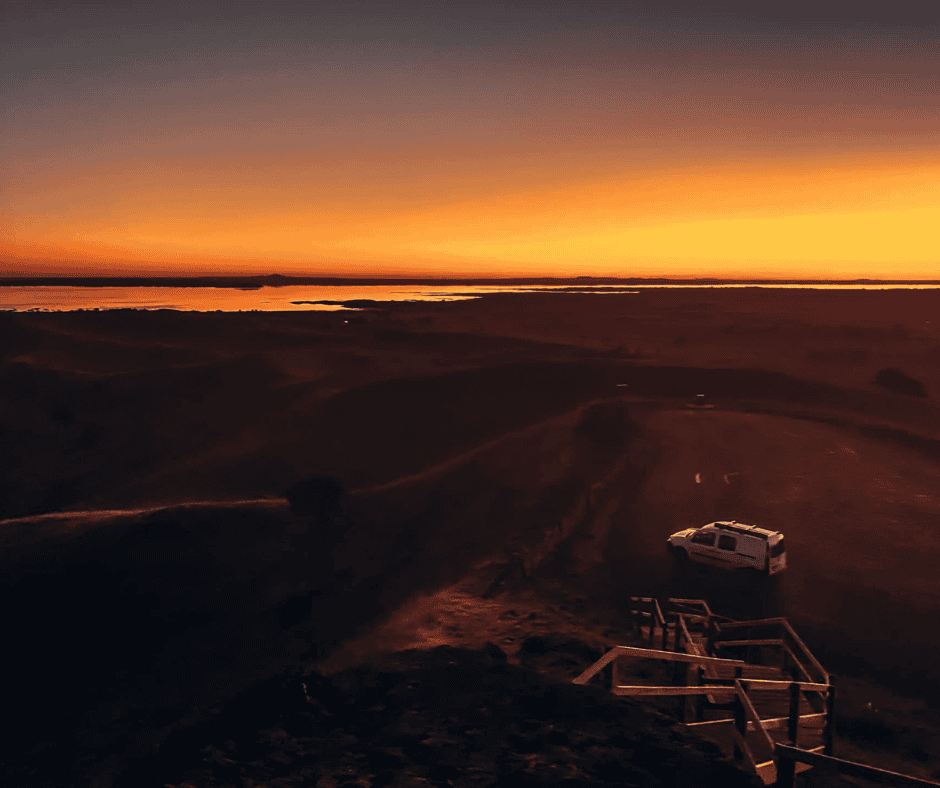
About 12 kilometres north of town, Red Rock Lookout provides one of the best
introductions to the district’s volcanic landscape.
The lookout stands within a volcanic complex of craters and maar lakes overlooking Lake
Corangamite and the surrounding plains. From the top, the country spreads out in all
directions, with lakes, farmland and old volcanic formations creating a landscape quite
different from the nearby Otway rainforest.
It is an easy drive and does not require a major hike, making it suitable for families and older
travellers as well as keen photographers. On a clear day, the view explains the geography of
the district better than any map.
Two Experiences We Did Not Expect
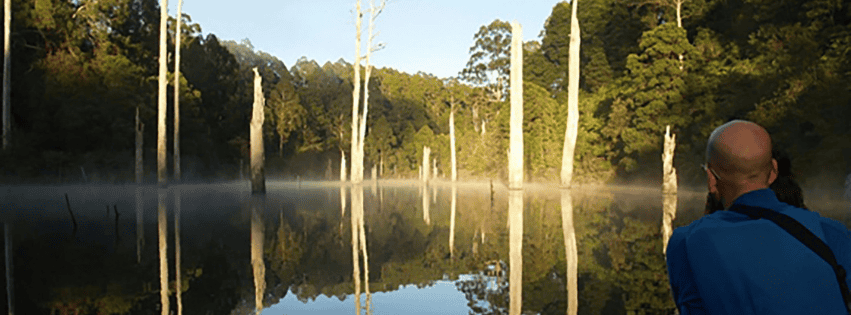
Our standout adventure was the Platypus in the Wild Tour with Otway Eco Tours at Lake
Elizabeth near Forrest.
The company operates small-group dawn and dusk canoe tours, with no more than seven
guests, on a secluded lake formed after a landslide in 1952. Reaching the water involves a
one-kilometre walk with an uphill section, so it will not suit every visitor, but quietly paddling
between drowned tree trunks while searching for wild platypus is a genuinely special
Australian experience.
Tours meet in Forrest, and bookings are essential. Large caravans should be left at the
holiday park because the final approach includes a gravel road and limited space.
Food and Drink in the Otway Foothills
At Barongarook, just outside Colac, Otway Estate produces Prickly Moses beers, Forbidden
Fruit ciders and Rainforest Gin. Otway Estate welcomes visitors for tastings, drinks and food,
although operating days can vary seasonally, so we recommend checking directly before
visiting. They had a great selection serving pizzas, platters and other lunch options.
There is room for children to move around on the grass, dogs are welcome in designated
areas, and adults can book a gin-blending masterclass. Creating your own gin sounds very
sophisticated until everyone begins confidently sniffing botanicals and pretending they know
what juniper is supposed to smell like.

Day Trips from Colac
Colac’s great strength is its position between the volcanic plains, Otway Ranges and coast.
Forrest is approximately 30 minutes away and has become one of Victoria’s leading
mountain-biking destinations. Its expanded trail network offers close to 100 kilometres of
riding across 36 trails, including beginner, advanced and adaptive options. Conditions and
individual trail closures can change, so riders should check the official trail information before
leaving.
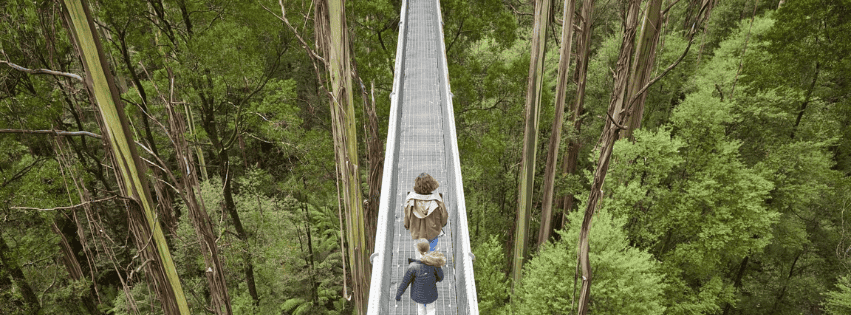
Further into the Otways, Otway Fly Treetop Adventures offers an elevated rainforest walk
and a guided zipline experience reaching up to 30 metres above the forest floor. It is
generally open daily, except Christmas Day, although weather can affect operations.
Lorne is an easy coastal day trip for beaches, shops and waterfalls, while Anglesea and
Torquay offer surf culture, walking tracks and family-friendly beaches. To the south, Apollo
Bay combines the coast with access to Cape Otway and rainforest drives. Travelling west
brings Camperdown, the volcanic lakes, Timboon, Port Campbell and the Twelve
Apostles within touring range, while Warrnambool can also be reached in around 75
minutes.
One warning for cyclists and walkers: the Old Beechy Rail Trail begins in Colac, but a
section between Wimba and Beech Forest at the time of writing this is currently closed until
further notice. Shorter open sections can still be explored, but check the latest council advice
and obey closure signs.
Where We Stayed: Lake Colac Holiday Park
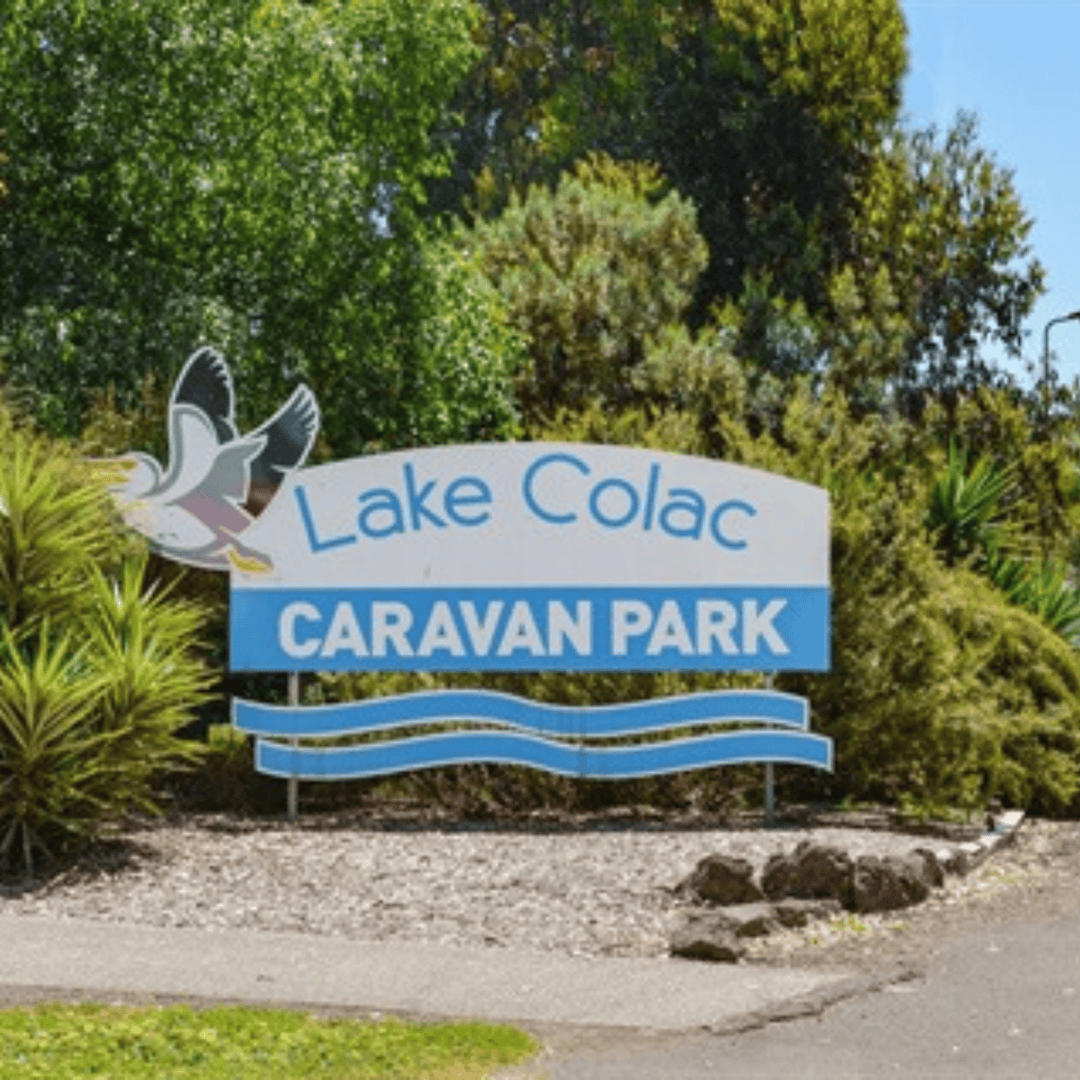
We based ourselves at Lake Colac Holiday Park, part of the Kui Parks group, at 51 Fyans
Street.
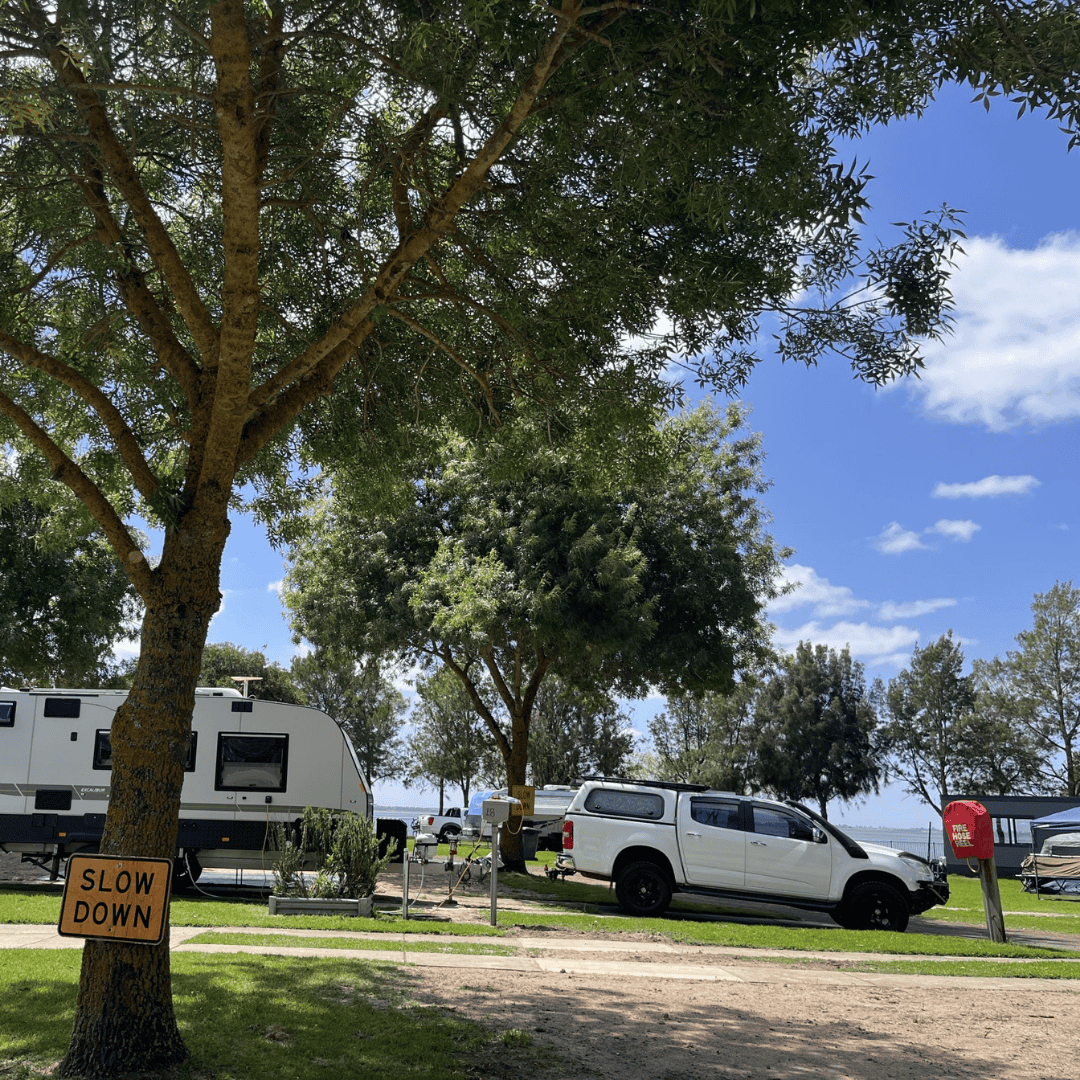
The park occupies a terrific position on the Lake Colac foreshore, beside Barongarook Creek
and directly across from the Botanic Gardens. A walking path leads through the gardens and Sculpture Park towards the centre of town, meaning we could leave the car behind when
heading out for coffee or supplies.
Caravanners and campers can choose from powered and unpowered sites, including
concrete drive-through powered sites suitable for larger rigs. Being able to drive straight
through—and potentially remain hitched for a short stay—removes the traditional caravan-
park entertainment of reversing while your travelling companion waves both arms and
shouts instructions you cannot hear.
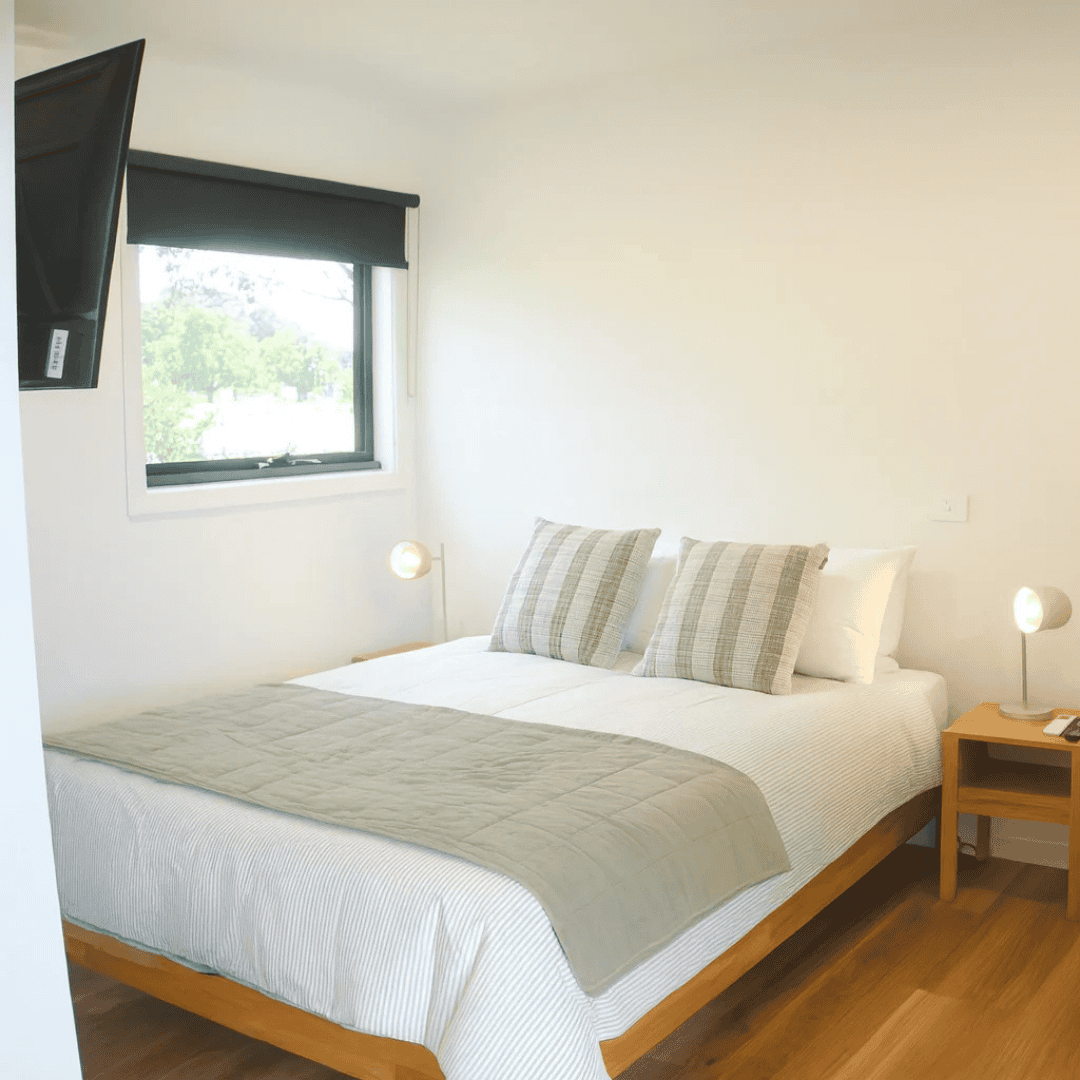
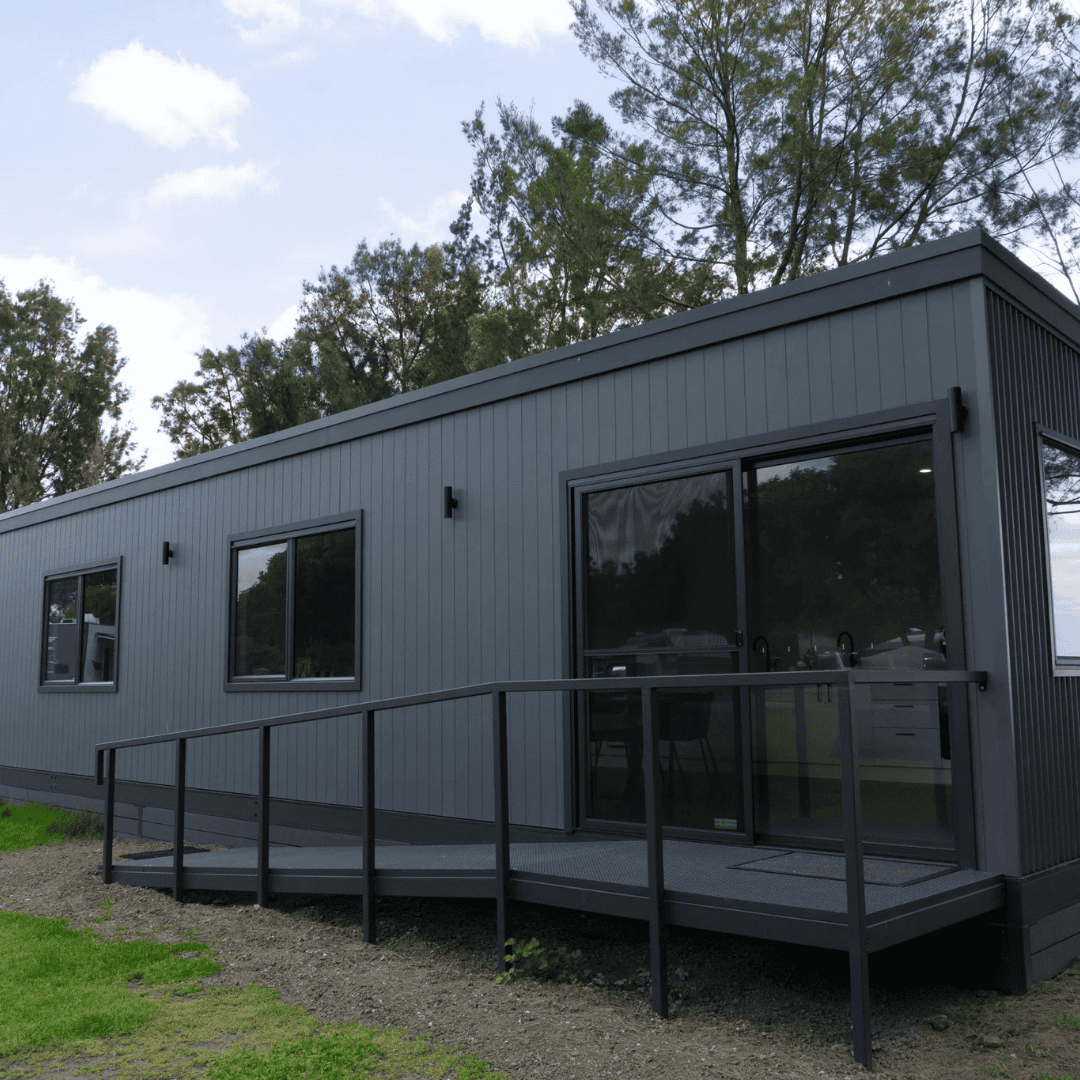
The park also has six new self-contained studio cabins with ensuite bathrooms, kitchenettes
and private decks. Lake-view and garden-view options are available, including three dog-
friendly cabins.
Recent improvements include a new accessible camp kitchen, modern private bathroom
cubicles with a shower and toilet in each, laundry facilities and accessible bathroom
amenities. The camp kitchen is particularly impressive, with long benches, cooking facilities,
refrigeration, tables, seating and an outdoor barbecue.
There is no resort-style pool or games room, but that is not really what this park is about. Its
strengths are the lake views, birdlife, spacious setting, easy town access, pet-friendly
approach and position as a touring base. Families have the Botanic Gardens playground
next door, anglers have lake and boat-ramp access, and grey nomads can enjoy a peaceful
park without being miles from shops and services.
When Should You Visit Colac?
Spring, from September to November, is arguably the best all-round period. The countryside
is green, the gardens are colourful, waterfalls are generally flowing and the weather is
suitable for walking and touring.
Summer brings longer daylight hours and easier access to coastal beaches, although
popular Great Ocean Road towns become considerably busier. Colac can provide a quieter
and often better-value alternative to staying directly on the coast.
Autumn is excellent for road trips, photography, cycling and exploring local produce without
peak summer crowds. Winter is cooler and wetter, but the Otways become beautifully
atmospheric, waterfalls gain strength, cafés feel cosier and accommodation is generally
easier to secure. Pack a proper jacket, though—Colac in July is not terribly impressed by
flimsy fashion choices.
Our Final Word
Colac surprised us because it does not rely on a single headline attraction. Instead, it gives
travellers a comfortable regional town, a lakeside setting and access to an enormous variety
of experiences.
You can spend one day exploring volcanic country, another looking for platypus, another
walking through rainforest and the next beside the ocean. Then you can return to a peaceful
lakeside park, cook dinner and decide which direction to take tomorrow.
For grey nomads, families and young adventurers, that combination makes Colac far more
than a convenient place to stop. It makes it one of western Victoria’s most useful—and most
underrated—road-trip bases.
To find out more about Colac in Victoria – HERE
To book your stay at Kui Parks Lake Colac Holiday Park – HERE
To see find a Kui Parks Holiday Park that suits your next holiday – HERE